

If you’ve ever admired the sculptural look of artichoke plants or enjoyed their tender hearts in a meal, you might be surprised by How to Grow Artichokes at Home. Artichokes are a bit different from the usual backyard vegetables. They’re bold, tall, and perennial in the right climate. Even in cooler regions, you can grow them as annuals with the right care. With a little planning, you can turn a small garden corner into a patch of dramatic foliage and delicious buds.
Table of Contents
Do You Know Which Flower Is Known as the Flame of the Forest?
Understanding the Artichoke Plant
Artichokes belong to the thistle family, and the edible part is actually the unopened flower bud. When allowed to bloom, they produce large purple flowers that attract bees, but most gardeners harvest them long before that stage. The plant itself forms a wide rosette of silvery leaves and can grow up to five feet tall. Due to their size, they require space, sunshine, and regular attention.
Choosing the Right Variety
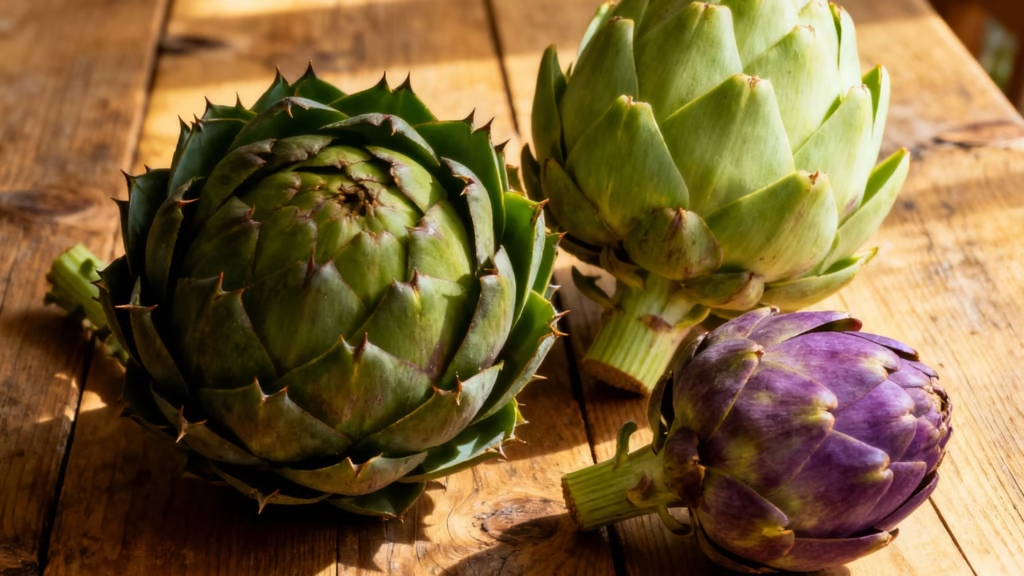
Before planting, think about what type suits your climate. Some varieties mature faster, which helps gardeners in cooler regions where summers are short. Popular choices include:
- Green Globe: The classic variety with large, flavorful buds.
- Imperial Star: A reliable option for annual growing, especially in colder areas.
- Violetto: An Italian variety known for its purple buds and tender taste.
If you live in a warm region, you can grow most varieties as perennials. If you’re in an area with harsh winters, consider using Imperial Star or start seeds indoors early.
Starting Artichokes from Seeds
Growing from seed takes patience, but it’s rewarding. Start seeds 8–10 weeks before the last frost. Use a good seed-starting mix and keep the soil lightly moist. Artichoke seeds germinate best when warm, so place the tray in a bright, warm spot or under grow lights. Once seedlings grow a few inches and develop strong roots, transplant them into individual pots.
Before planting outdoors, harden them off. Set the seedlings outside for a few hours each day, increasing the time gradually over a week. This helps them adjust to sun, wind, and outdoor temperatures.
Planting in the Garden
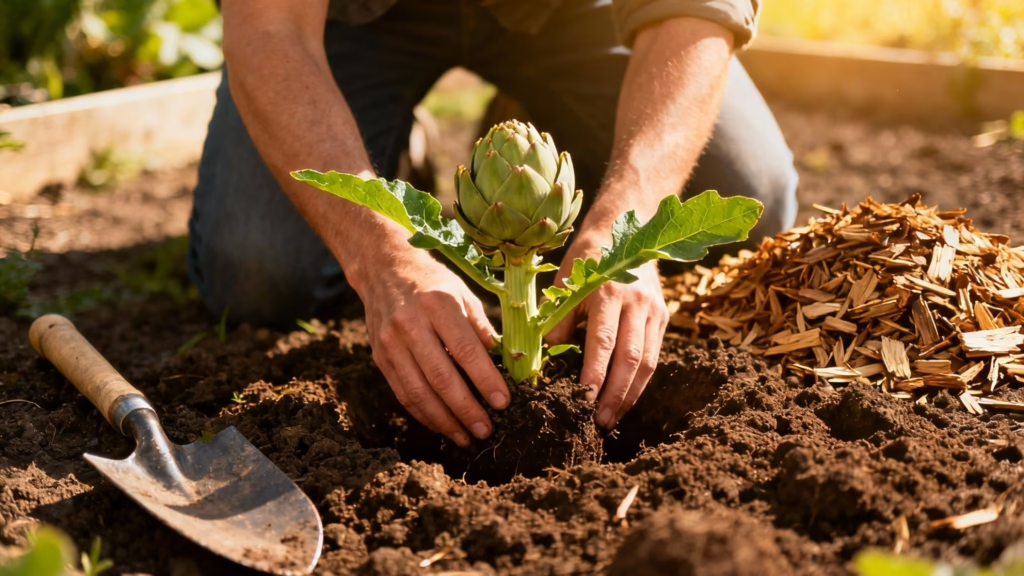
Artichokes thrive when given space, so choose a sunny area where they can stretch out. Each plant needs about four feet of room. The soil should drain well and be rich in organic matter. If your soil is heavy, mix in compost and coarse sand to loosen it.
Plant the seedlings once the danger of frost has passed. Dig a hole deep enough to hold the root ball, place the plant in it, and firm the soil around it. Water well after planting to help the roots settle.
Soil and Water Needs
Artichokes are thirsty plants. Keep the soil consistently moist, especially during the growing season. Mulching helps retain moisture and prevents weeds from competing for nutrients. Use straw, dry leaves, or shredded bark as mulch. It’s simple but makes a big difference during hot spells.
As for soil nutrition, these plants respond well to rich soil. Feed them with compost or a balanced fertilizer every few weeks. They’re heavy feeders, and regular nutrition helps them push out large, healthy buds.
Temperature and Climate
Artichokes prefer cool summers and mild winters, which is why they grow so well in coastal areas. However, gardeners in warm or cold regions can still enjoy them with some adjustments.
- Warm climates: Give them afternoon shade if summers are extremely hot.
- Cold climates: Treat them like annuals or protect them in winter by cutting them back and covering the crown with straw or thick mulch.
If your winters are mild, the plant will go dormant and return in spring even stronger.
Caring for Growing Plants
Artichokes need regular attention, but nothing complicated. Keep an eye out for pests like aphids and slugs. They love the tender foliage. A strong spray of water can knock off aphids, and simple traps can reduce slug activity.
As the plant grows tall, some gardeners like to stake it to prevent heavy stems from bending in wind. It’s not always necessary, but it helps in exposed areas.
Remove older leaves from the bottom as the plant grows. This keeps the air flowing and reduces disease risk.
When and How to Harvest
The best part of growing artichokes is harvesting those tight, green buds. Each plant produces several buds on long stems. The main bud forms at the top and is usually the largest. Side buds follow after.
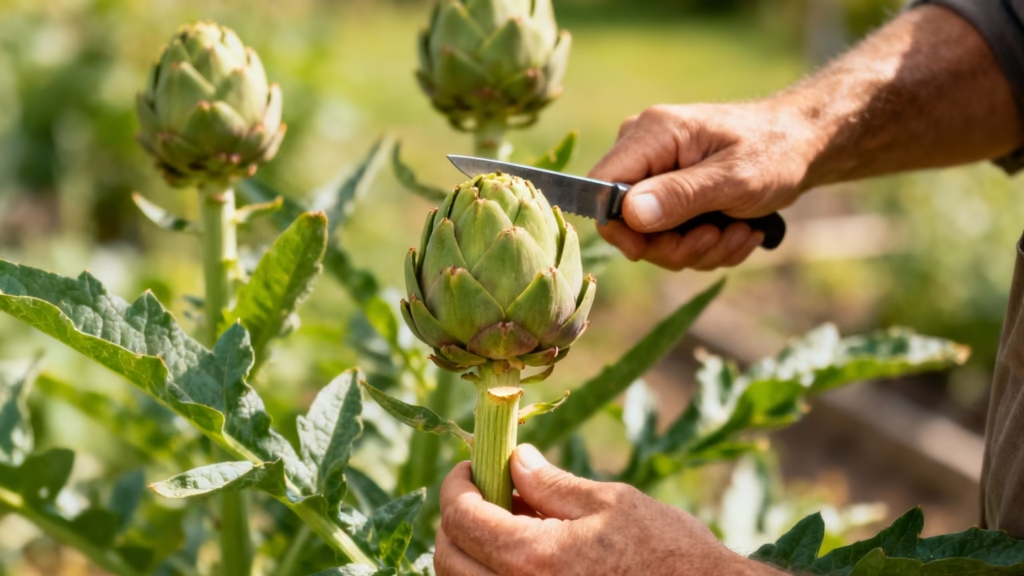
Harvest buds when they are still tight and firm. If they start to open, they become tough. Use a sharp knife to cut the bud along with about an inch of stem. This encourages the plant to send energy into the remaining buds.
Once you harvest the first flush of buds, the plant may produce smaller ones later in the season. In warm climates, you may even get a fall harvest.
After-Harvest Care
Once the main season ends, trim the plant back to encourage new growth. If your climate is cold, this is the time to prepare the plant for winter. Cut it down to a few inches and cover the crown well with straw or mulch.
In warmer climates, the plant continues growing slowly and bursts with new energy in spring. Over time, mature plants may produce offshoots or “pups.” You can separate these and plant them elsewhere, giving you more artichoke plants for free.
Common Problems and Solutions
Even with good care, artichokes may face a few issues. Here are the most common:
- Bud opening too early: This often happens in hot weather. Harvest earlier or give plants some shade.
- Yellowing leaves: Usually a sign of low nutrients. Add compost or fertilizer.
- Slow growth: Poor soil or lack of sun is usually the reason. Improve the soil and make sure the plant gets at least six hours of sunlight.
Final Thoughts About How to Grow Artichokes
Growing artichokes takes a little commitment, but the reward is worth it. Few garden plants look as striking, and fewer still offer buds you can cook fresh from your backyard. Whether you steam them, roast them, or turn them into dips and salads, nothing matches the taste of homegrown artichokes. Once you get the hang of it, you’ll look forward to the long, sculptural leaves appearing each spring. It’s a plant that brings beauty and flavor together, and it can become a favorite in your garden year after year.
If you want, I can also create a meta description, SEO title, or a natural image prompt for this blog.