Ultimate guide to growing Bee Balm Plant
Bee Balm Plant growing guide
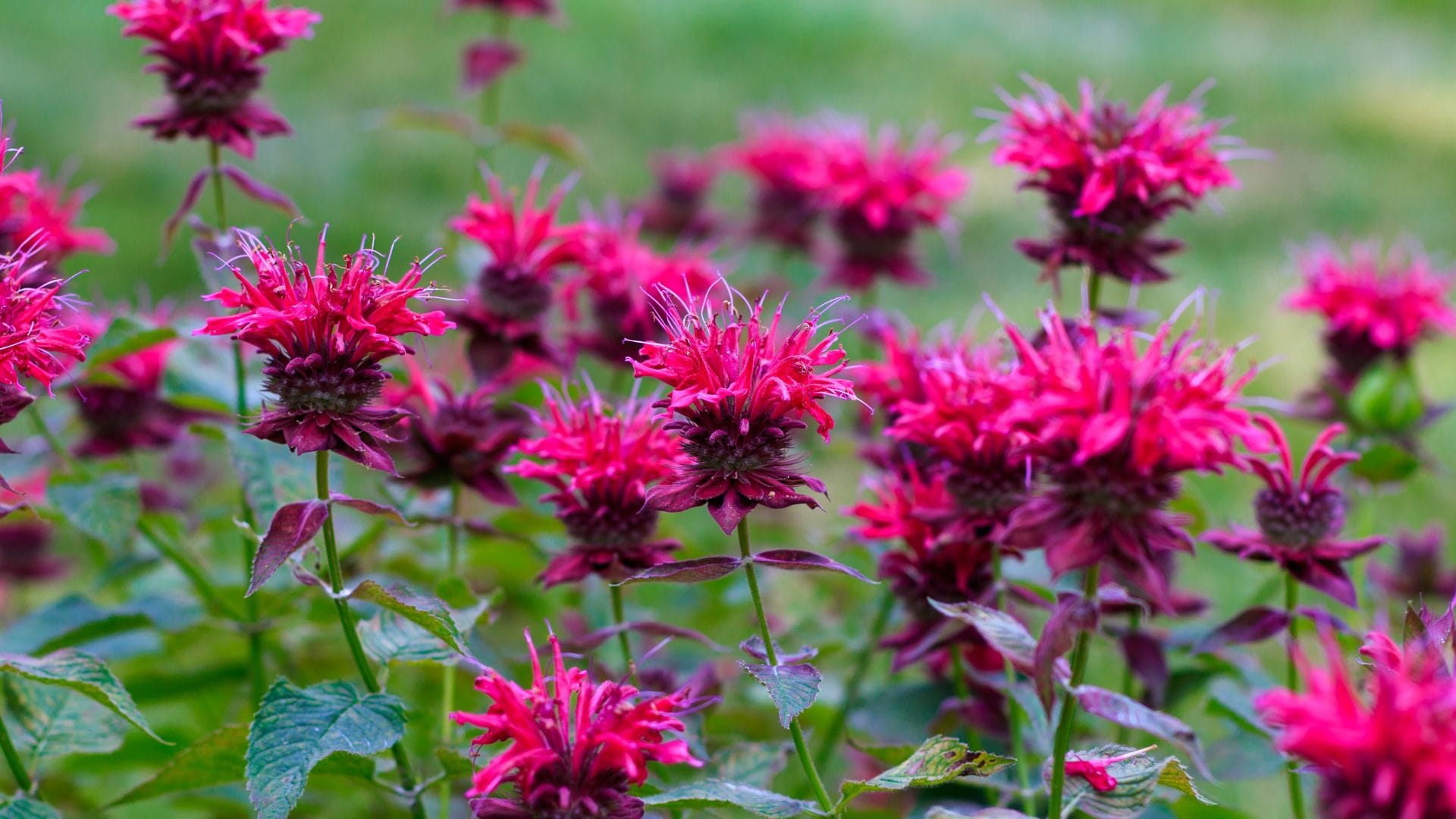
Bee balm is a vibrant, fragrant, and pollinator-friendly plant that adds both beauty and function to any garden. Known scientifically as part of the Monarda genus, this perennial herb is widely appreciated for its bright, shaggy flowers and minty aroma.
Whether you are a beginner gardener or an experienced one, growing bee balm can be both easy and rewarding when you understand its basic needs.
Table of Contents
What is Bee Balm?
Bee Balm is a flowering plant in the mint family (Lamiaceae). It is native to North America and is commonly found in wildflower gardens, herb gardens, and pollinator landscapes.
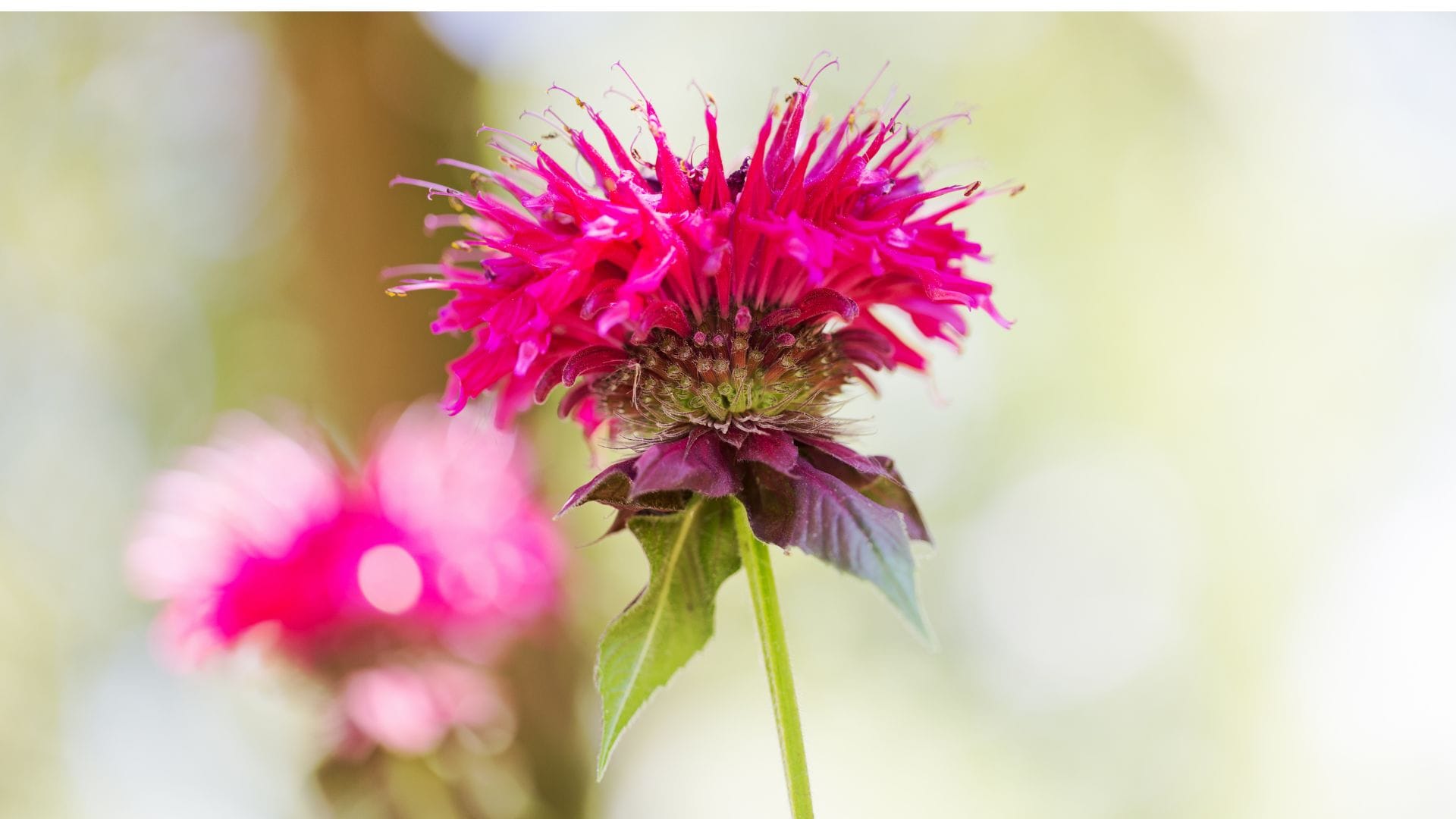
The plant produces striking blooms in shades of red, pink, purple, and white. These flowers are highly attractive to bees, butterflies, and hummingbirds—hence the name “bee balm.” Apart from its ornamental value, bee balm has also been traditionally used in herbal medicine and teas.
Here is a clear table of the main types of bee balm (Bee Balm) you can grow:
Types of Bee Balm
| Type / Species | Common Name | Flower Color | Height | Key Features |
|---|---|---|---|---|
| Monarda didyma | Scarlet Bee Balm | Red, deep pink | 2–4 ft | Most popular type, attracts hummingbirds, strong fragrance |
| Monarda fistulosa | Wild Bergamot | Light purple, lavender | 2–5 ft | Very hardy, drought-tolerant, medicinal uses |
| Monarda citriodora | Lemon Bee Balm | Pink, lavender | 1–3 ft | Citrus-scented leaves, often used in herbal teas |
| Monarda punctata | Spotted Bee Balm | Yellow with purple spots | 1–3 ft | Unique spotted flowers, very drought-resistant |
| Monarda bradburiana | Eastern Bee Balm | Pale pink, white | 1–2 ft | Compact growth, early blooming variety |
Also Read: Purple Wildflowers – The Best Native Flowers for Your Garden
Ideal Growing Conditions for Bee Balm
To successfully grow bee balm, you need to provide the right environment. Fortunately, it is not very demanding.
1. Sunlight
Bee balm grows best in full sun, meaning at least 6 hours of direct sunlight daily. However, in very hot climates, partial shade in the afternoon can help prevent leaf scorching.
2. Soil
It prefers moist, well-drained soil rich in organic matter. Slightly acidic to neutral soil (pH 6.0–7.0) is ideal. Good drainage is important because overly wet soil can cause root rot.
3. Watering
Regular watering is important, especially during dry periods. The soil should remain consistently moist but not soggy. Mulching around the base helps retain moisture.
How to Plant Bee Balm
Growing bee balm from seeds or transplants is simple.
Step 1: Choose the Location
Select a sunny or partially shaded spot with good air circulation. Avoid overcrowded areas because bee balm is prone to powdery mildew if airflow is poor.
Step 2: Prepare the Soil
Loosen the soil and mix in compost or well-rotted manure to improve fertility and drainage.
Step 3: Planting
- Sow seeds directly in spring or start indoors 6–8 weeks before the last frost
- For seedlings, space plants 18–24 inches apart to allow spreading
- Plant at the same depth as the nursery pot
Step 4: Watering After Planting
Water thoroughly after planting to help roots establish quickly.
Caring for Bee Balm
Bee balm is low-maintenance once established, but a few care tips help it thrive.
Fertilizing
Apply a balanced, slow-release fertilizer in spring. Too much fertilizer can reduce flowering, so avoid overfeeding.
Pruning
Deadheading spent flowers encourages more blooms. Cutting back stems after flowering also helps maintain plant shape and health.
Dividing Plants
Every 2–3 years, divide mature plants in spring or fall. This prevents overcrowding and keeps the plant vigorous.
Common Problems and Solutions
Powdery Mildew
One of the most common issues is powdery mildew, a white fungal coating on leaves. To prevent it:
- Ensure proper spacing
- Water at the base, not on leaves
- Improve air circulation
Pests
Aphids and spider mites may occasionally appear. Use insecticidal soap or neem oil to control them naturally.
Benefits of Growing Bee Balm
Bee balm is more than just a pretty flower. It offers multiple benefits:
- Attracts pollinators like bees and butterflies
- Enhances biodiversity in gardens
- Can be used in herbal teas
- Adds color and fragrance to landscapes
- Works well in cottage and wildflower gardens
Its strong nectar production makes it especially valuable for supporting declining bee populations.
Harvesting Bee Bal
Leaves and flowers can be harvested during the blooming season.
- Pick leaves in early morning for best flavor
- Flowers can be used fresh or dried
- Drying should be done in a cool, shaded area with good airflow
Dried bee balm is often used in herbal teas and natural remedies.
Landscape Uses
Bee balm is highly versatile in garden design. It can be used in:
- Flower beds
- Herb gardens
- Border plantings
- Pollinator gardens
- Wildflower meadows
Its tall, colorful blooms make it an excellent background plant or centerpiece in garden designs.
FAQs About Bee Bal
1. Is bee balm easy to grow?
Yes, bee balm is very easy to grow if given sunlight, moisture, and good soil drainage.
2. Does bee balm come back every year?
Yes, it is a perennial plant, meaning it returns every year in suitable climates.
3. Can bee balm grow in pots?
Yes, it can be grown in large containers, but ensure good drainage and regular watering.
4. Why are my bee balm leaves turning white?
This is usually powdery mildew caused by poor air circulation or excess humidity.
5. Is bee balm edible?
Yes, both leaves and flowers are edible and often used in herbal teas.
6. How tall does bee balm grow?
Depending on the variety, it can grow between 2 to 4 feet tall.
Conclusio
Bee balm is a stunning and beneficial plant that brings life, color, and pollinators into your garden. With minimal care, it rewards gardeners with long-lasting blooms and ecological benefits. Whether you’re growing it for beauty, herbal use, or to support bees and butterflies, bee balm is a valuable addition to any garden space.
Also Read: How to Grow and Care for Bee Balm