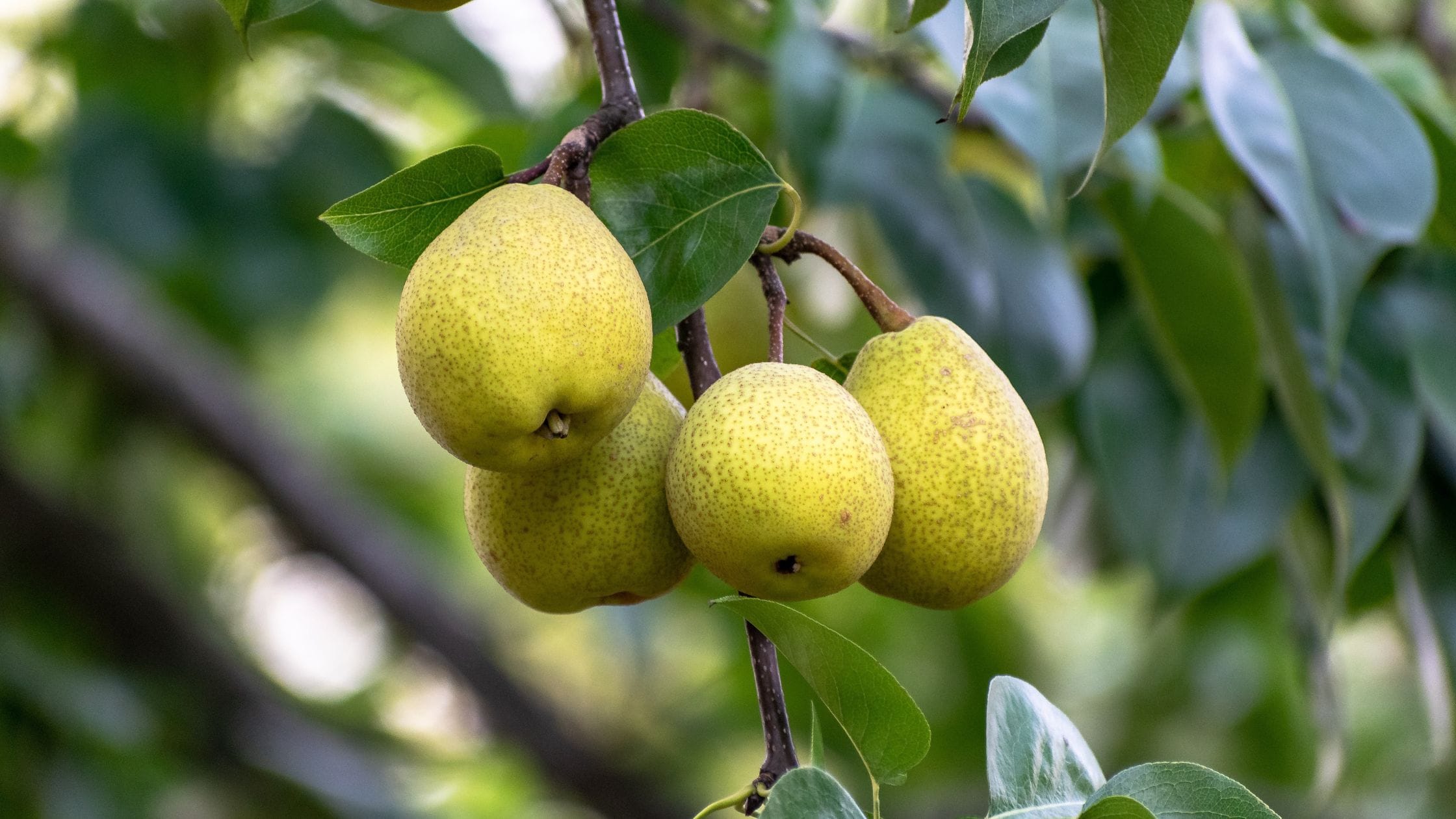
How Often Should You Water a Pear Tree? A Complete Guide for Healthy Growth
Water a Pear Tree? A Complete Guide for Healthy Growth
Pear trees are among the most rewarding fruit trees to grow in your garden — they produce delicious fruit and add a touch of beauty to your landscape. However, one of the most common questions gardeners ask is: how often should you water a pear tree?
The right watering schedule can make a huge difference between a thriving, fruit-laden tree and one that struggles to grow. In this guide, we’ll explore how often to water your pear tree, factors that affect watering needs, and helpful tips for maintaining soil moisture balance.
Table of Contents
How Often Should You Water a Pear Tree?

The watering frequency for pear trees depends on their age, weather, soil type, and season.
Here’s a general guideline:
1. Newly Planted Pear Trees
Frequency:
2–3 times per week
Amount:
Enough water to moisten the soil to a depth of 12–18 inches.
Newly planted trees have small root systems that dry out quickly. Keep the soil consistently moist but not soggy during the first growing season.
2. Young Pear Trees (1–3 Years Old)
Frequency:
Once or twice per week
Amount:
2–4 gallons per watering session
At this stage, the tree is still establishing its roots. Deep watering encourages roots to grow deeper into the soil, helping the tree withstand dry conditions later.
3. Mature Pear Trees (4+ Years Old)
Frequency:
Every 10–14 days
Amount:
6–10 gallons per watering session
Mature trees are more drought-tolerant but still need consistent moisture during dry spells, especially when fruits are developing.
Also Read: Benefits of Litchi: A Sweet Fruit Packed with Nutrition
Seasonal Watering Tips
Spring:
Water regularly as the tree begins to flower and set fruit.
Summer:
Increase watering frequency during hot, dry periods.
Autumn:
Gradually reduce watering as the tree prepares for dormancy.
Winter:
Water only if the weather is dry and there’s no rainfall for several weeks (mainly in warmer regions).
Factors That Affect Watering Frequency

1. Soil Type
Sandy Soil:
Drains quickly; requires more frequent watering.
Clay Soil:
Retains moisture longer; water less often but deeply.
Loamy Soil:
Ideal for pear trees — provides good drainage and moisture retention.
2. Weather Conditions
Hot, windy weather dries out the soil faster.
Cool, humid climates reduce water needs.
Rainfall naturally adjusts your watering schedule — always check soil moisture before watering.
3. Mulching
Applying 2–3 inches of organic mulch (like straw, wood chips, or compost) around the tree base helps retain soil moisture and prevents weeds. Keep mulch a few inches away from the trunk to avoid rot.
How to Check If Your Pear Tree Needs Water
Soil Test:
Stick your finger or a moisture meter 2–3 inches into the soil. If it feels dry, it’s time to water.
Leaf Signs:
Wilting or yellowing leaves may indicate underwatering.
Fruit Quality:
Small, dry, or misshapen pears can result from inconsistent watering.
Also Read: Mint Tea Benefits: A Refreshing Drink with Powerful Health Perks
Common Watering Mistakes to Avoid
Overwatering:
Causes root rot and poor oxygen circulation.
Shallow Watering:
Leads to weak, shallow roots.
Watering the Trunk Directly:
Always water the root zone (the area under the canopy).
FAQs

Q1. Can pear trees tolerate drought?
Yes, mature pear trees are relatively drought-tolerant, but prolonged dryness can reduce fruit size and yield.
Q2. Should I water my pear tree after rain?
No, wait a few days and check soil moisture. If the soil is still damp, skip watering.
Q3. Is morning or evening the best time to water pear trees?
Morning watering is best — it reduces evaporation and prevents fungal diseases.
Also Read: Butterfly Pea Flower Benefits: The Blue Beauty for Health and Wellness
Final Thoughts
Watering a pear tree is about balance — not too much, not too little. Newly planted trees need frequent moisture, while established ones thrive on deep, occasional watering. Monitor soil conditions and adjust your routine with the changing seasons for the healthiest growth and juiciest fruit.
With proper watering and care, your pear tree will reward you with beautiful blossoms in spring and sweet, crisp pears in late summer.