Friendly Guide to Growing Ginger at Home!
To growing ginger, use plump pieces of grocery-store rhizome with visible “eyes,” soaking them overnight and letting them dry before planting. Plant in wide, shallow pots or garden beds with rich, well-draining soil, as ginger prefers warmth, humidity, and consistent moisture but dislikes waterlogging.
Ginger (scientific name Zingiber officinale) is a flowering plant whose rhizome, or root, is widely used as a spice and in traditional medicine to treat nausea, pain, and digestive issues like bloating and gas. Let’s dive into how you can start your own ginger patch, whether you have a sprawling garden or just a small container.
Where to Get Your Ginger “Seed”
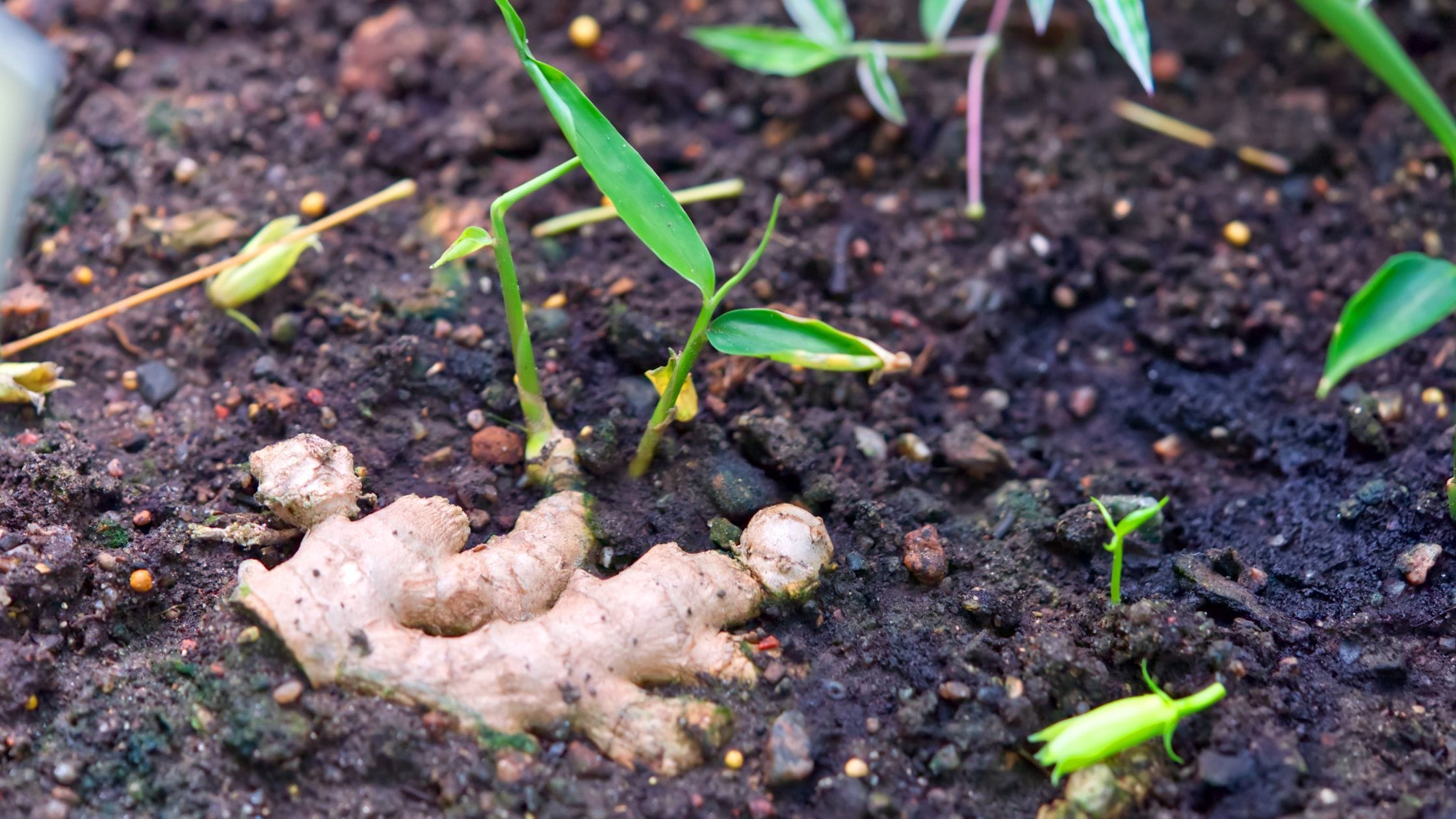
Obtaining a rhizome—the portion of the plant that we usually refer to as ginger root—is the first step. These are available at most supermarkets. Look for a piece that is plump, firm, and has several “eyes” or buds—these look like little pointed bumps, similar to the eyes on a potato. Avoid any ginger that looks shriveled, moldy, or bruised.
Step-by-step guide for growing ginger
Preparing and Planting
After obtaining your rhizome, you can either plant it whole or cut it into smaller pieces, ensuring that each piece has a minimum of one eye. To avoid rot, allow the cut pieces to dry for a day or two in order to create a callus.
Partial shade and warm, humid weather are ideal for growing ginger. It cannot withstand frost because it is a tropical plant.
For containers: Choose a wide, shallow pot with good drainage. Ginger grows horizontally, so a wide pot is more important than a deep one. Use a rich, loose potting mix.
For garden beds: Select a spot with well-draining soil that receives dappled sunlight, perhaps under a tall tree or near a fence that provides some afternoon shade.
Care and Watering
Ginger loves moisture but hates soggy feet. Water it thoroughly after planting and then keep the soil consistently moist, but not waterlogged.
Mulching is a great way to help the soil stay warm and retain moisture. Straw, shredded leaves, or a layer of compost can be used.
Harvesting
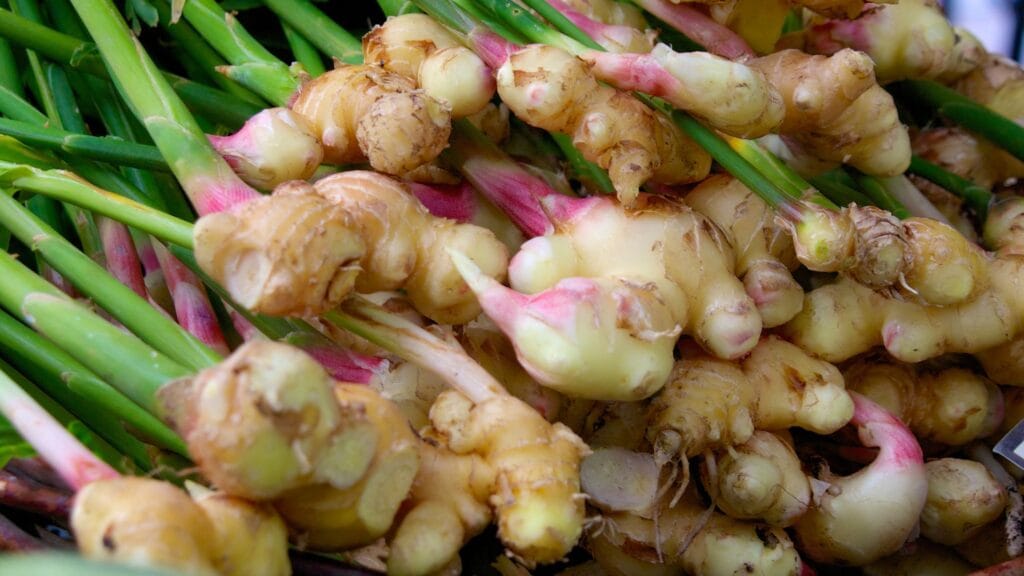
Ginger takes about 8-10 months to mature. You’ll know it’s ready when the leaves begin to yellow and the stalks start to die back.
Carefully dig up the entire plant to harvest. The network of new, thick rhizomes you have grown will astound you. To continue the cycle for the following season, you can replant a portion after using a knife to cut off the amount you require.
Growing ginger gives you a direct connection to the food you eat and is a rewarding experience. It is a low-maintenance plant with a high yield of flavor.
Uses and Benefits of Ginger
Growing ginger is a rewarding experience, with its various uses
Culinary, Medicinal use, Anti-inflammatory agent, Antioxidant.
Also read easy steps for potato gardening