How to Grow Bleeding Heart Flower Plant: A Complete Guide
How to Grow Bleeding Heart Flower Plant
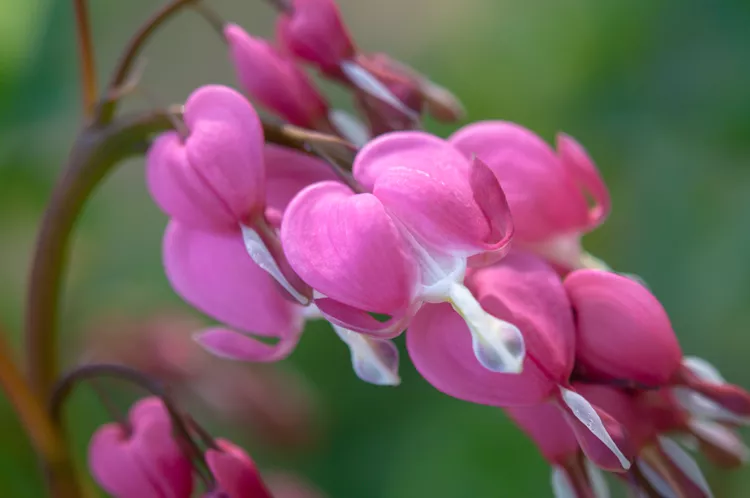
The Bleeding Heart flower is one of the most charming and recognizable perennial plants in the garden. Known for its delicate, heart-shaped pink and white blooms that dangle gracefully from arching stems, this plant adds elegance and romance to shaded landscapes. Bleeding Heart (Dicentra spectabilis, now classified as Lamprocapnos spectabilis) is a favorite among gardeners because it is easy to grow, long-lived, and highly attractive during spring.
If you want to add a unique flowering plant to your garden, this guide will help you learn everything about growing and caring for Bleeding Heart flowers.
Table of Contents
What Is a Bleeding Heart Plant?
Bleeding Heart is a herbaceous perennial native to Asia. It produces distinctive heart-shaped flowers with a droplet-like petal hanging below, giving the appearance of a “bleeding” heart. The plant blooms in spring and early summer and thrives in cool, shady conditions.
The flowers are commonly pink with white tips, although white and red varieties are also available. Its fern-like foliage adds texture and beauty even when the plant is not flowering.
| Common Name | Bleeding heart, common bleeding heart, fern-leaf bleeding heart |
| Botanical Name | Lamprocapnos spectabilis (formerly Dicentra spectabilis) |
| Family | Papaveraceae |
| Plant Type | Tuberous, herbaceous, perennial |
| Mature Size | 1–3 ft. tall, 2–3 ft. wide |
| Sun Exposure | Partial, shade |
| Soil Type | Moist, well-drained |
| Soil pH | Acidic, neutral |
| Bloom Time | Spring |
| Flower Color | Pink, white, red |
| Hardiness Zones | 3–9 (USDA) |
| Native Areas | Asia |
| Toxicity | Toxic to humans and animals |
Also Read: November Birth Flower: What Is My Birth Flower?
Ideal Growing Conditions
Providing the right environment is essential for healthy Bleeding Heart plants.
Light Requirements
Bleeding Hearts prefer:
- Partial shade to full shade
- Morning sunlight and afternoon shade
- Protection from intense summer heat
In cooler climates, the plant can tolerate more sunlight, but excessive direct sun may scorch the leaves.
Temperature
Bleeding Hearts grow best in:
- Cool temperatures between 55°F and 75°F (13°C–24°C)
- USDA Hardiness Zones 3–9
The plant may go dormant during hot summer weather, which is completely normal.
Soil Requirements
For best growth, use soil that is:
- Rich in organic matter
- Well-draining
- Slightly acidic to neutral (pH 6.0–7.0)
Mix compost or aged manure into the soil before planting to improve fertility.
How to Plant Bleeding Heart Flowers
Step 1: Choose the Right Location
Select a shaded garden bed under trees, along woodland borders, or in a partially shaded flower garden.
Step 2: Prepare the Soil
Loosen the soil to a depth of 12 inches and add compost to improve drainage and nutrient content.
Step 3: Plant the Roots
Plant bare roots or nursery-grown plants in spring or fall.
- Dig a hole twice as wide as the root ball.
- Place the plant at the same depth it was growing previously.
- Fill with soil and gently firm around the roots.
Step 4: Water Thoroughly
Water immediately after planting to help establish the roots.
Watering Needs
Bleeding Hearts prefer consistently moist soil but do not tolerate waterlogged conditions.
Watering Tips
- Water deeply once or twice per week.
- Keep soil evenly moist during active growth.
- Increase watering during dry periods.
- Reduce watering when the plant enters dormancy.
Applying mulch around the base helps retain moisture and regulate soil temperature.
Fertilizing Bleeding Heart Plants
Bleeding Hearts are not heavy feeders, but occasional fertilization encourages healthy growth and blooms.
Best Fertilizer Options
- Compost
- Organic flower fertilizer
- Balanced slow-release fertilizer (10-10-10)
Apply fertilizer in early spring when new growth appears.
Avoid excessive nitrogen, as it may promote foliage growth at the expense of flowers.
Pruning and Maintenance
Proper maintenance helps keep Bleeding Hearts healthy and attractive.
Deadheading
Remove spent flowers to encourage a tidy appearance and potentially extend blooming.
Cutting Back
After flowering, foliage may gradually turn yellow, especially in warm climates.
- Allow leaves to die back naturally.
- Cut stems to ground level once foliage has completely faded.
This allows the plant to store energy for the following season.
Propagating Bleeding Heart Plants
Bleeding Hearts can be propagated through division or seeds.
Division Method
Division is the easiest and most reliable method.
- Dig up mature plants in early spring or fall.
- Separate healthy root sections.
- Replant divisions immediately.
- Water thoroughly.
Growing from Seeds
- Collect seeds after flowers fade.
- Sow in autumn or stratify seeds before spring planting.
- Germination may take several weeks.
Plants grown from seed may take a few years to bloom.
Common Problems and Solutions
Bleeding Hearts are generally low-maintenance but can experience a few issues.
| Problem | Cause | Solution |
|---|---|---|
| Yellow leaves | Heat stress or natural dormancy | Provide shade and proper watering |
| Root rot | Poor drainage | Improve soil drainage |
| Powdery mildew | Humid conditions | Improve air circulation |
| Aphids | Insect infestation | Use insecticidal soap |
| Wilting | Dry soil | Water consistently |
Regular inspection helps catch problems early.
Best Companion Plants
Bleeding Hearts pair beautifully with other shade-loving plants.
Popular companions include:
- Hostas
- Ferns
- Astilbe
- Columbine
- Coral Bells
- Hellebores
These plants create attractive woodland-style garden displays.
Benefits of Growing Bleeding Hearts
Growing Bleeding Heart flowers offers many advantages:
- Unique heart-shaped blooms
- Excellent for shade gardens
- Attracts pollinators
- Long-lived perennial
- Low maintenance
- Deer and rabbit resistant
- Beautiful cut flowers
Their elegant appearance makes them a standout feature in any landscape.
Conclusion
Bleeding Heart flowers are among the most enchanting plants for shaded gardens. Their graceful arching stems and distinctive heart-shaped blooms bring beauty and charm to spring landscapes. By providing rich soil, consistent moisture, and partial shade, gardeners can enjoy years of spectacular blooms. Whether planted in woodland gardens, borders, or cottage gardens, Bleeding Hearts reward minimal effort with stunning seasonal displays.
Frequently Asked Questions (FAQ)
1. How much sunlight does a Bleeding Heart plant need?
Bleeding Hearts grow best in partial shade or full shade, especially in regions with hot summers.
2. How often should I water Bleeding Heart plants?
Water once or twice weekly to keep the soil consistently moist but not soggy.
3. Why are my Bleeding Heart leaves turning yellow?
Yellow leaves are often caused by summer heat or natural dormancy after flowering.
4. Can Bleeding Hearts grow in containers?
Yes, they can grow in large containers with rich, well-draining soil and adequate shade.
5. When do Bleeding Hearts bloom?
Most varieties bloom in spring and early summer, typically from April to June.
6. Are Bleeding Heart plants perennial?
Yes, Bleeding Hearts are perennial plants that return every year in suitable climates.
7. Do Bleeding Hearts attract pollinators?
Yes, they attract bees, butterflies, and other beneficial pollinators.
8. How do I propagate a Bleeding Heart plant?
The easiest method is dividing mature plants in spring or fall.
9. Are Bleeding Hearts deer resistant?
Yes, deer and rabbits generally avoid Bleeding Heart plants.
10. Can Bleeding Hearts survive winter?
Yes, they are cold-hardy and can survive winter in USDA Zones 3–9 with minimal protection.
Also Read: flower cultivation