How to Grow Plums: Planting, Care, and Harvesting Tips for Juicy Fruit
How to Grow Plums
Plum trees are among the most rewarding fruit trees for home gardeners. They produce delicious, juicy fruits that can be eaten fresh, dried, or used in jams, desserts, and juices. With proper care, a plum tree can provide a generous harvest for many years. Whether you have a large backyard orchard or a small garden, growing plums can be a satisfying experience.
In this guide, you’ll learn everything you need to know about planting, growing, and caring for plum trees.
Table of Contents
What Are Plum Trees?
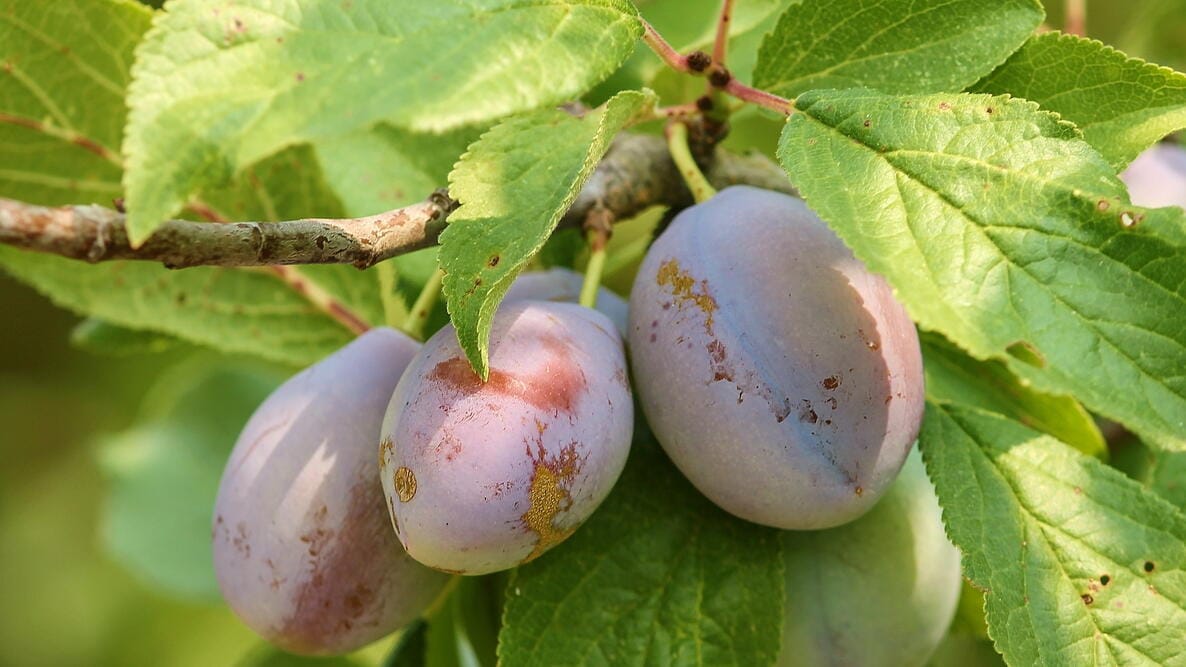
Plums are stone fruits belonging to the genus Prunus, which also includes peaches, cherries, and apricots. Plum trees are known for their beautiful spring blossoms and sweet, flavorful fruits that ripen during summer or early autumn.
There are three main types of plum trees:
- European plums (Prunus domestica)
- Japanese plums (Prunus salicina)
- American plums (Prunus americana)
Each type has different growth habits, fruit flavors, and climate preferences.
Also Read: Ultimate Rooibos Tea Plant Cultivation Guide
Best Conditions for Growing Plums
To grow healthy plum trees, provide the right growing environment.
Sunlight
Plum trees require full sun for optimal growth and fruit production. Choose a location that receives at least 6 to 8 hours of direct sunlight daily.
Soil
Plums grow best in:
- Well-drained soil
- Loamy or sandy loam soil
- Soil rich in organic matter
- pH between 5.5 and 6.5
Avoid planting in areas where water tends to collect, as excessive moisture can lead to root rot.
Also Read: Amazing Wandering Jew Plant Cultivation Guide
Climate
Most plum varieties thrive in USDA Hardiness Zones 4–9. They need a certain number of winter chill hours to produce fruit properly.
How to Plant a Plum Tree
Step 1: Choose the Right Variety
Select a variety suited to your climate. Some plum trees are self-pollinating, while others require another plum tree nearby for cross-pollination.
Popular varieties include:
- Santa Rosa
- Stanley
- Methley
- Damson
- Satsuma
Step 2: Prepare the Planting Site
Dig a hole twice as wide and slightly deeper than the tree’s root ball. Mix compost or well-rotted manure into the soil to improve fertility.
Step 3: Plant the Tree
- Place the tree in the hole.
- Spread the roots gently.
- Ensure the graft union remains a few inches above the soil line.
- Fill the hole with soil and firm it lightly.
- Water thoroughly after planting.
Step 4: Mulch
Apply a 2–3 inch layer of organic mulch around the base of the tree. Keep mulch a few inches away from the trunk to prevent rot.
Watering Plum Trees
Proper watering is crucial, especially during the first few years.
Young Trees
Water deeply once or twice a week during dry periods.
Mature Trees
Established trees generally need less frequent watering, but they should receive consistent moisture while fruits are developing.
Signs of inadequate watering include:
- Wilting leaves
- Poor fruit development
- Premature fruit drop
Fertilizing Plum Trees
Plum trees benefit from regular feeding.
First Year
Avoid heavy fertilization immediately after planting.
Established Trees
Apply a balanced fertilizer such as 10-10-10 in early spring before new growth begins.
You can also use:
- Compost
- Aged manure
- Organic fruit tree fertilizers
Avoid excessive nitrogen, as it can encourage leafy growth at the expense of fruit production.
Pruning Plum Trees
Pruning helps maintain tree shape, improve air circulation, and increase fruit yield.
When to Prune
The best time to prune plum trees is late winter or early spring before new growth starts.
Pruning Tips
- Remove dead or damaged branches.
- Eliminate crossing branches.
- Thin crowded areas to improve airflow.
- Maintain an open center or central leader structure depending on the variety.
Regular pruning also reduces the risk of disease.
Pollination Requirements
Some plum trees are self-fertile, but many require cross-pollination from another compatible plum variety.
To improve pollination:
- Plant compatible varieties nearby.
- Encourage bees and pollinators.
- Avoid spraying insecticides during flowering.
Good pollination leads to larger harvests and better fruit quality.
Common Plum Tree Problems
Aphids
These small insects feed on leaves and shoots.
Solution: Spray with insecticidal soap or introduce beneficial insects like ladybugs.
Plum Curculio
This pest can damage developing fruits.
Solution: Remove fallen fruit and use appropriate organic pest controls.
Brown Rot
A fungal disease that affects blossoms and fruit.
Solution:
- Prune for better airflow.
- Remove infected fruit.
- Apply recommended fungicides if necessary.
Black Knot
This fungal disease creates black swellings on branches.
Solution:
- Prune infected branches.
- Destroy diseased material immediately.
Harvesting Plums
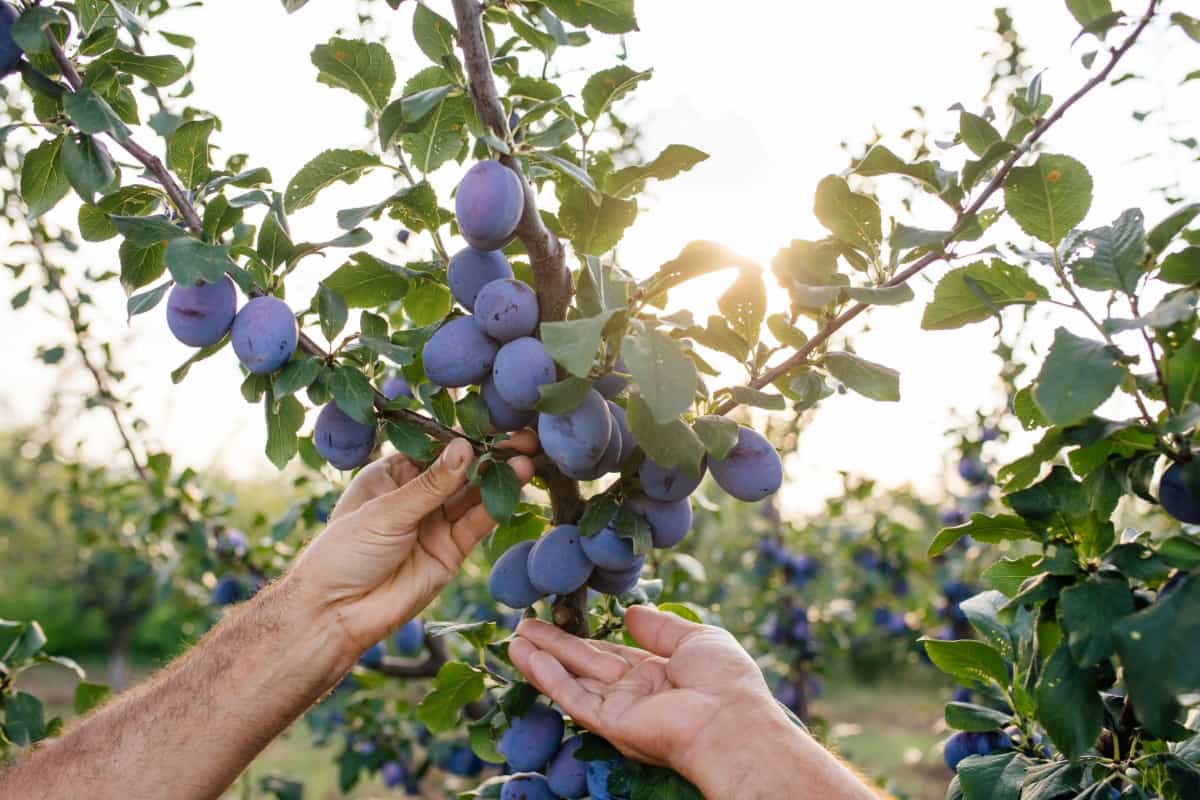
Most plum varieties are ready for harvest from mid-summer to early autumn.
Plums are ripe when:
- They develop full color.
- The fruit feels slightly soft when gently squeezed.
- They detach easily from the tree.
Harvest carefully to avoid bruising the fruit.
Storing Plums
Fresh plums can be stored:
- At room temperature until ripe
- In the refrigerator for up to two weeks after ripening
You can also preserve plums by:
- Freezing
- Drying
- Making jams and preserves
Benefits of Growing Plum Trees
Growing plum trees offers many advantages:
- Fresh, nutritious fruit at home
- Attractive spring blossoms
- Shade and landscape beauty
- Long-term productivity
- Support for pollinators and wildlife
With proper care, a plum tree can remain productive for decades.
Conclusion
Plum trees are a wonderful addition to any garden or orchard. They are relatively easy to grow and reward gardeners with beautiful flowers and delicious fruit. By providing full sunlight, well-drained soil, regular watering, proper fertilization, and seasonal pruning, you can enjoy healthy trees and abundant harvests year after year. Whether you’re a beginner or an experienced gardener, growing plums is a worthwhile and enjoyable gardening project.
Frequently Asked Questions (FAQ)
1. How long does it take for a plum tree to bear fruit?
Most plum trees begin producing fruit within 3 to 6 years after planting, depending on the variety and growing conditions.
2. Do plum trees need full sun?
Yes. Plum trees require at least 6–8 hours of direct sunlight daily for healthy growth and fruit production.
3. Can I grow a plum tree in a container?
Yes. Dwarf plum varieties can be successfully grown in large containers with proper watering and fertilization.
4. How often should I water a plum tree?
Young trees need regular watering once or twice a week, while mature trees require deep watering during dry periods and fruit development.
5. Why is my plum tree not producing fruit?
Common reasons include poor pollination, lack of sunlight, improper pruning, frost damage, or the tree being too young.
6. When is the best time to plant a plum tree?
The best time is late fall or early spring when the tree is dormant.
7. Are plum trees self-pollinating?
Some varieties are self-fertile, while others require a second compatible plum tree for pollination.
8. How long do plum trees live?
With proper care, plum trees can live and produce fruit for 20–30 years or more.
Also Read: pulm tree