How to Plant, Grow, and Care for Hyacinth Blooms
How to Plant, Grow, and Care for Hyacinth Blooms
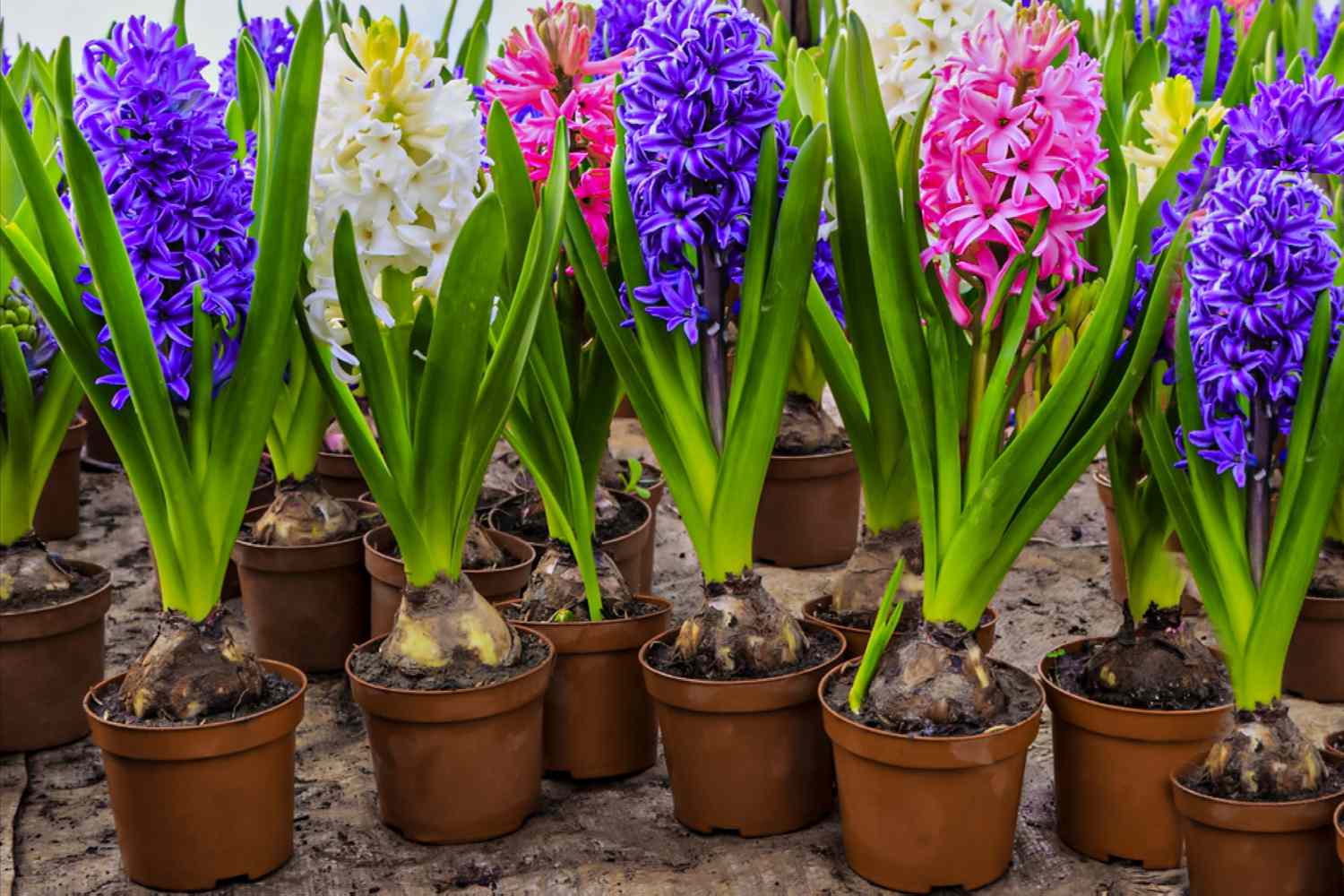
Hyacinths are among the most fragrant and colorful spring-blooming flowers. Their dense flower spikes and sweet perfume make them a favorite in gardens, borders, containers, and indoor displays. Available in shades of blue, purple, pink, white, yellow, and red, hyacinths can brighten any landscape after winter.
If you want vibrant spring blooms, learning how to grow and care for hyacinths is simple and rewarding.
Table of Contents
What Are Hyacinths?
Hyacinth are bulbous perennial plants native to the eastern Mediterranean region. They belong to the asparagus family and are known for their clusters of star-shaped flowers that bloom in early to mid-spring.
Hyacinths are popular because they:
- Produce highly fragrant flowers
- Come in a wide range of colors
- Grow well in gardens and containers
- Require minimal maintenance
- Return year after year with proper care

Also Read:Cultivating Dragon fruit: A Modern Gardener’s Guide
Types of Hyacinth Blooms
| Type | Description |
|---|---|
| Single Hyacinths | Traditional variety with large, densely packed flower spikes. |
| Double Hyacinths | Produce extra petals for a fuller appearance. |
| Multiflora Hyacinths | Feature several smaller flower stems from one bulb. |
| Miniature Hyacinths | Compact varieties ideal for containers and small gardens. |
Best Growing Conditions for Hyacinths
Hyacinths thrive when planted in the right environment.
| Growing Factor | Requirement |
|---|---|
| Sunlight | Full sun to partial shade |
| Soil | Well-drained, fertile soil |
| Soil pH | Neutral to slightly acidic |
| Water | Moderate moisture |
| Hardiness | USDA Zones 4–8 |
| Bloom Time | Early to mid-spring |
Good drainage is essential because waterlogged soil can cause bulbs to rot.
How to Plant Hyacinth Bulbs
1. Choose Healthy Bulbs
Select large, firm bulbs without signs of mold, softness, or damage. Larger bulbs generally produce larger flower spikes.
2. Pick the Right Location
Choose a sunny spot that receives at least 6 hours of sunlight daily. Hyacinths can tolerate light shade, especially in warmer climates.
Also Read: November Birth Flower: What Is My Birth Flower?
3. Prepare the Soil
Loosen the soil to a depth of 10–12 inches and mix in compost or well-rotted organic matter. Ensure the area drains well.
4. Plant the Bulbs
Plant bulbs in autumn before the ground freezes.
- Plant depth: 4–6 inches
- Spacing: 4–6 inches apart
- Pointed end facing upward
Cover with soil and water thoroughly after planting.
Watering Hyacinths
Hyacinths require moderate watering.
- Water after planting.
- Keep soil lightly moist during active growth.
- Avoid overwatering.
- Reduce watering after flowering.
Natural rainfall is often enough during spring in many regions.
Fertilizing Hyacinths
Proper feeding encourages healthy blooms.
Before Planting
Mix a balanced bulb fertilizer or compost into the soil.
During Growth
Apply a balanced fertilizer when shoots first appear in spring.
After Flowering
Feed lightly to help bulbs store energy for next year’s blooms.
Avoid excessive nitrogen, which can encourage leaf growth instead of flowers.
Growing Hyacinths in Containers
Hyacinths grow exceptionally well in pots.
Container Requirements
- Use pots with drainage holes.
- Fill with quality potting mix.
- Plant bulbs close together but not touching.
- Place containers in a sunny location.
Container-grown hyacinths are ideal for patios, balconies, and indoor decoration.
Indoor Forcing of Hyacinth Bulbs
Hyacinths can be forced indoors for winter blooms.
Steps
- Plant bulbs in pots.
- Store in a cool, dark place (35–48°F or 2–9°C) for 10–12 weeks.
- Keep soil slightly moist.
- Move pots to a bright, cool room when shoots appear.
- Enjoy blooms within a few weeks.
This method allows gardeners to enjoy flowers before outdoor plants bloom.
Caring for Hyacinths After Blooming
Once flowers fade:
- Remove spent flower spikes.
- Leave green leaves intact.
- Continue watering lightly until foliage yellows naturally.
- Allow leaves to die back completely.
- Store bulbs or leave them in the ground depending on climate.
The foliage helps replenish energy in the bulb for future flowering.
Common Problems and Solutions
Bulb Rot
Cause: Poor drainage and excessive moisture.
Solution: Improve soil drainage and avoid overwatering.
Weak Blooms
Cause: Small bulbs, overcrowding, or insufficient sunlight.
Solution: Divide crowded bulbs and provide more sun.
Slugs and Snails
Cause: Damp conditions.
Solution: Use barriers or organic slug control methods.
Squirrels and Rodents
Cause: Animals digging up bulbs.
Solution: Cover planting areas with wire mesh until growth begins.
Landscaping Ideas with Hyacinths
Hyacinths look stunning in various garden designs.
- Plant in groups for dramatic color displays.
- Combine with tulips and daffodils.
- Use along walkways where fragrance can be enjoyed.
- Add to rock gardens.
- Grow in decorative containers near entrances.
Their vibrant colors and fragrance make them a highlight of spring landscapes.
Benefits of Growing Hyacinths
- Early-season color
- Strong, pleasant fragrance
- Excellent cut flowers
- Attractive to pollinators
- Suitable for containers and garden beds
- Easy to grow for beginners
With proper planting and care, hyacinths can provide years of beautiful spring blooms.
Conclusion
Hyacinths are among the most rewarding spring-flowering bulbs. Their colorful blooms, delightful fragrance, and low-maintenance nature make them a favorite for gardeners of all experience levels. By planting bulbs in well-drained soil, providing adequate sunlight, and following simple care practices, you can enjoy spectacular hyacinth displays every spring. Whether grown in garden beds, borders, or containers, hyacinths bring elegance and charm to any outdoor or indoor space.
Frequently Asked Questions (FAQ)
1. When should I plant hyacinth bulbs?
Plant hyacinth bulbs in autumn, about 6–8 weeks before the ground freezes.
2. How long do hyacinth flowers last?
The blooms typically last 2–4 weeks, depending on weather conditions.
3. Do hyacinths come back every year?
Yes, hyacinths are perennial bulbs and can return annually with proper care.
4. Can hyacinths grow in pots?
Yes, they grow very well in containers as long as there is good drainage.
5. Do hyacinths need full sun?
They perform best in full sun but can tolerate partial shade.
6. Why are my hyacinths not blooming?
Poor sunlight, overcrowding, depleted bulbs, or improper planting depth can reduce flowering.
7. Are hyacinths fragrant?
Yes, hyacinths are famous for their strong, sweet fragrance.
8. Can I grow hyacinths indoors?
Yes, bulbs can be forced indoors to produce beautiful winter blooms.
Also Read: flower cultivation