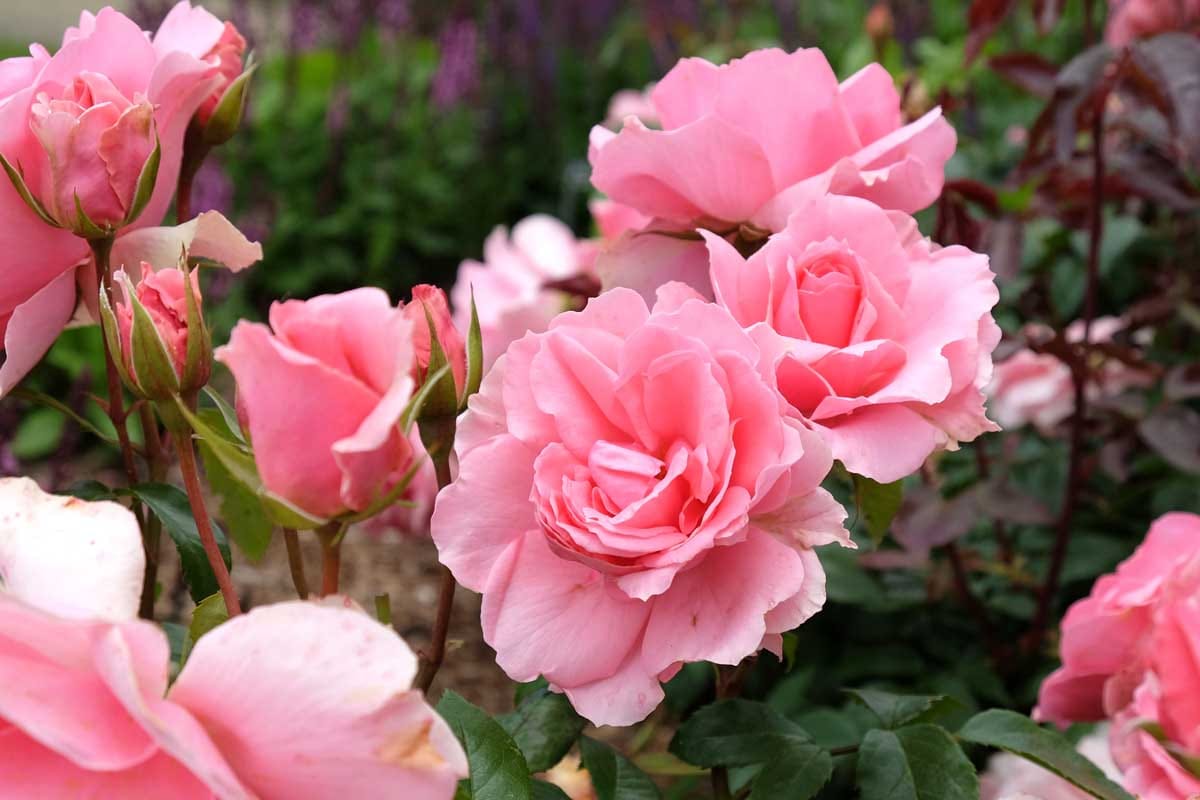
How to Grow and Care for Shrub Roses
How to Grow and Care for Shrub Roses
Shrub roses are among the most versatile and rewarding flowering plants for home gardens. Known for their hardiness, abundant blooms, and relatively low maintenance, shrub roses can add color, fragrance, and elegance to landscapes throughout the growing season.
Unlike traditional hybrid tea roses that often require intensive care, shrub roses are generally tougher and more disease-resistant, making them ideal for both beginner and experienced gardeners.
In this guide, you’ll learn how to grow shrub roses successfully, from planting and watering to pruning and pest management.
Table of Contents
What Are Shrub Roses?
Shrub roses are a broad category of roses that grow in a bushy, natural form. They include modern landscape roses, English roses, and many old garden rose varieties. These roses typically produce clusters of flowers and can bloom repeatedly from spring through fall.

Popular shrub rose varieties include:
- Knock Out Roses
- English Roses
- Rugosa Roses
- Drift Roses
- David Austin Roses
Their adaptability and long blooming season make them excellent choices for borders, hedges, foundation plantings, and mixed flower beds.
Also Read: Amazing Wandering Jew Plant Cultivation Guide
Also Read: Ultimate Rooibos Tea Plant Cultivation Guide
Popular Types of Shrub Roses
| Type | Key Feature | Height |
|---|---|---|
| Knock Out Roses | Easy care, disease-resistant | 3–5 ft |
| Drift Roses | Compact, groundcover rose | 1–2 ft |
| English Roses | Highly fragrant, repeat blooms | 3–6 ft |
| Rugosa Roses | Very hardy and fragrant | 4–8 ft |
| Landscape Roses | Low-maintenance garden rose | 2–6 ft |
| Canadian Shrub Roses | Excellent cold tolerance | 3–7 ft |
| Floribunda Shrub Roses | Large clusters of flowers | 2–5 ft |
| Hybrid Musk Roses | Strong fragrance, abundant blooms | 4–8 ft |
Choosing the Right Location
Selecting the proper planting site is one of the most important steps in growing healthy shrub roses.
Sunlight Requirements
Shrub roses thrive in full sun and require at least 6–8 hours of direct sunlight daily. More sunlight generally results in better flowering and stronger growth.
Soil Conditions
These roses prefer:
- Well-draining soil
- Rich organic matter
- Slightly acidic soil with a pH between 6.0 and 6.5
If your soil is heavy clay or sandy, improve it by mixing in compost or well-rotted manure before planting.
How to Plant Shrub Roses
Step 1: Dig the Planting Hole
Dig a hole that is twice as wide as the root ball and about the same depth.
Step 2: Prepare the Soil
Mix compost into the excavated soil to improve fertility and drainage.
Step 3: Position the Plant
Place the shrub rose in the hole so that the crown sits at ground level. In colder climates, the graft union can be planted slightly below the soil surface for winter protection.
Step 4: Backfill and Water
Fill the hole with soil, gently firm it around the roots, and water thoroughly.
Step 5: Mulch
Apply a 2–3 inch layer of organic mulch around the plant, keeping it a few inches away from the stem. Mulch helps conserve moisture and suppress weeds.
Watering Shrub Roses
Proper watering is essential, especially during the first growing season.
Newly Planted Roses
Water deeply two to three times per week until the plant becomes established.
Established Roses
Once established, shrub roses generally need about 1 inch of water per week. Increase watering during hot, dry periods.
Avoid wetting the foliage whenever possible, as damp leaves can encourage fungal diseases.
Fertilizing for Healthy Growth
Shrub roses benefit from regular feeding throughout the growing season.
Fertilizer Schedule
- Early spring: Apply a balanced rose fertilizer.
- After the first bloom cycle: Feed again to encourage repeat flowering.
- Mid-summer: A final feeding may be applied.
- Avoid fertilizing late in the season, as new growth may be damaged by frost.
Organic options such as compost, fish emulsion, or well-rotted manure also work well.
Pruning Shrub Roses
Pruning helps maintain shape, encourages flowering, and removes damaged growth.
When to Prune
The best time to prune shrub roses is in late winter or early spring before new growth begins.
How to Prune
- Remove dead, diseased, or damaged branches.
- Cut out weak or crossing stems.
- Thin crowded growth to improve air circulation.
- Shape the shrub by reducing its size by about one-third if needed.
Unlike hybrid tea roses, shrub roses generally require less severe pruning.
Common Pests and Diseases
Although many shrub roses are disease-resistant, they can still face occasional problems.
Common Pests
- Aphids
- Spider mites
- Japanese beetles
- Rose slugs
Use insecticidal soap, neem oil, or strong water sprays to control minor infestations.
Common Diseases
- Black spot
- Powdery mildew
- Rust
Good air circulation, proper spacing, and watering at the base of the plant can help prevent these issues.
Winter Care for Shrub Roses
Most shrub roses are hardy and require minimal winter protection.
To prepare for winter:
- Stop fertilizing six weeks before the first frost.
- Continue watering until the ground freezes.
- Add mulch around the base of the plant after the first hard frost.
- Remove any diseased leaves from around the plant.
In colder regions, additional protection such as burlap wraps may be beneficial.
Landscaping Uses for Shrub Roses
Shrub roses are incredibly versatile in the landscape. They can be used as:
- Flowering hedges
- Foundation plantings
- Mixed borders
- Cottage garden accents
- Mass plantings
- Privacy screens
Their long bloom period and colorful flowers make them a standout feature in almost any garden design.
Conclusion
Shrub roses are an excellent choice for gardeners seeking beautiful blooms with relatively low maintenance. By providing plenty of sunlight, well-draining soil, regular watering, and occasional pruning, you can enjoy healthy plants covered in flowers for many months each year. Whether used as a colorful hedge, a garden focal point, or part of a mixed border, shrub roses bring timeless beauty and charm to any outdoor space.
Frequently Asked Questions (FAQs)
1. How fast do shrub roses grow?
Most shrub roses grow moderately fast and can reach their mature size within 2–3 years under ideal conditions.
2. Do shrub roses bloom all season?
Many modern shrub rose varieties bloom repeatedly from spring until frost, while some older varieties bloom only once.
3. Can shrub roses grow in containers?
Yes, compact shrub rose varieties can grow successfully in large containers with proper drainage and regular watering.
4. How much sunlight do shrub roses need?
They need at least 6–8 hours of direct sunlight daily for the best flowering performance.
5. Are shrub roses disease-resistant?
Many modern shrub roses are bred for improved resistance to diseases such as black spot and powdery mildew.
6. When is the best time to plant shrub roses?
Spring and fall are generally the best planting seasons because temperatures are mild and root development is encouraged.
7. How often should I prune shrub roses?
A major pruning once a year in late winter or early spring is usually sufficient, along with occasional deadheading and cleanup.
8. What is the best fertilizer for shrub roses?
A balanced rose fertilizer or organic compost-rich fertilizer works well to support healthy growth and abundant blooms.
Also Read: Care for Shrub Roses