Ghost Chilli Cultivation Guide
Introduction
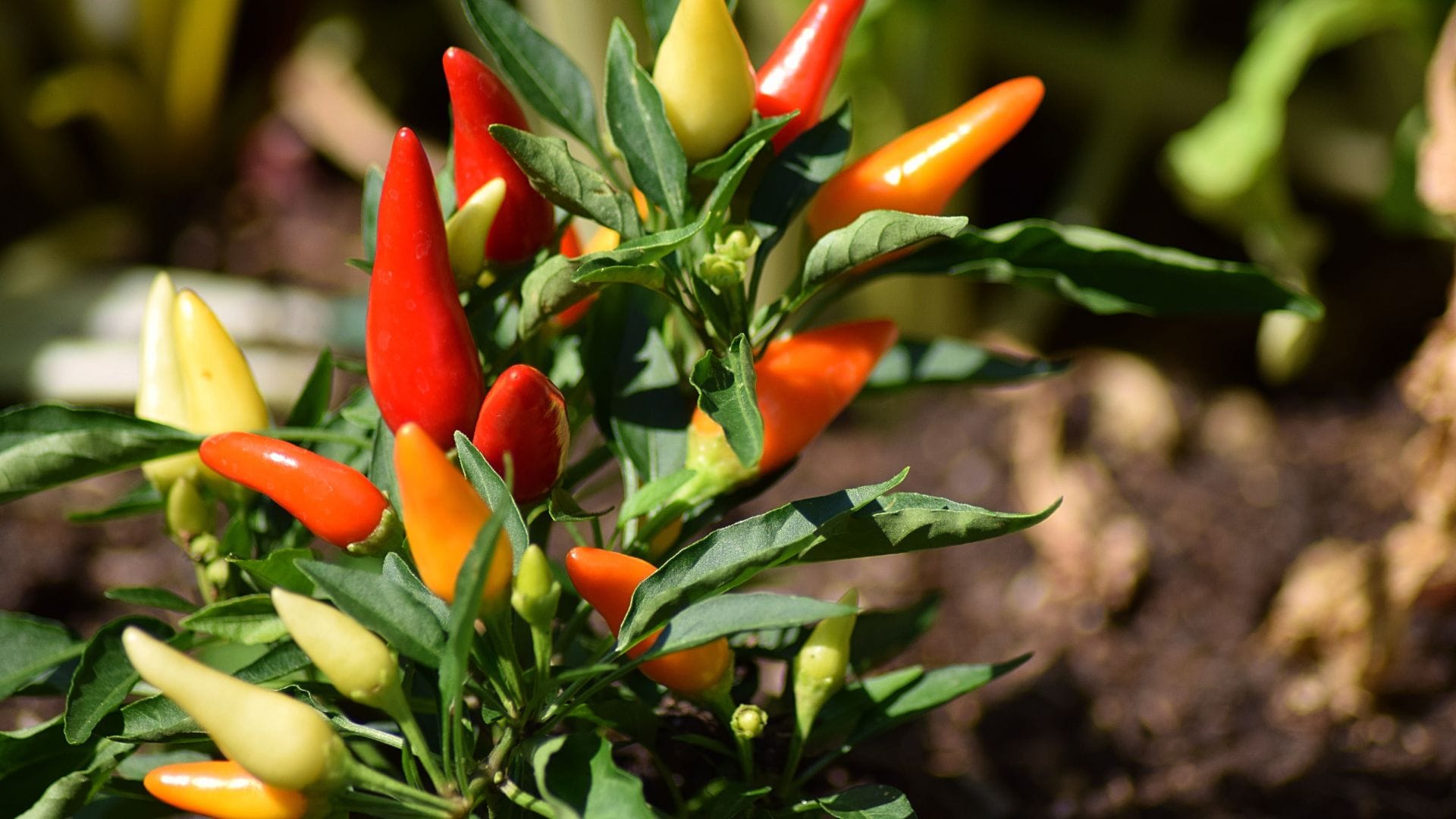
Ghost chilli, also known as Bhut Jolokia, is one of the hottest chilli peppers in the world. Native to Northeast India, especially Assam and Nagaland, this fiery pepper is widely cultivated for culinary, medicinal, and commercial purposes. Due to its high market demand and excellent export value, ghost chilli farming has become profitable for many farmers.
Ghost chilli plants thrive in warm and humid climates and require proper soil preparation, irrigation, and pest management for high yields. With good cultivation practices, farmers can achieve excellent production and income from this crop.
Table of Contents
Importance of Ghost Chilli Cultivation
Ghost chilli is popular because of its extreme pungency and unique flavor. It is used in:
- Pickles and sauces
- Spicy food products
- Medicinal and pain-relief products
- Pepper sprays
- Export markets
The crop also has strong demand in local and international spice industries.
Also Read: How to Grow and Care for Canna Lily
Climate Requirements for Ghost Chill
Ghost chilli grows best in tropical and subtropical climates.
Ideal Conditions
| Factor | Requirement |
|---|---|
| Temperature | 20°C to 35°C |
| Rainfall | Moderate |
| Humidity | High |
| Sunlight | Full sunlight |
| Best Season | Spring to early monsoon |
Excessive cold or frost can damage the plants and reduce fruit production.
Suitable Soil for Ghost Chilli Farming
Well-drained fertile soil is ideal for ghost chilli cultivation.
Soil Requirements
| Soil Type | Suitability |
|---|---|
| Sandy loam | Excellent |
| Loamy soil | Very good |
| Clay soil | Moderate |
| Soil pH | 6.0 to 6.8 |
The soil should contain sufficient organic matter for healthy root growth.
Land Preparation
Proper land preparation improves plant growth and yield.
Steps for Land Preparation
- Plough the field 2–3 times.
- Remove weeds and crop residues.
- Add well-decomposed farmyard manure or compost.
- Prepare raised beds for better drainage.
- Maintain proper spacing between rows.
Raised beds help prevent waterlogging during heavy rains.
Also Read: How to Grow Dhania From Seeds: A Step-by-Step Guide
Seed Selection and Nursery Preparation
High-quality seeds are important for successful cultivation.
Seed Rate
- About 200–300 grams of seeds are required per acre.
Nursery Preparation
- Prepare raised nursery beds.
- Mix compost with soil before sowing.
- Sow seeds at shallow depth.
- Water lightly after sowing.
- Cover beds with straw until germination.
Seeds usually germinate within 10–20 days.
Transplanting
Seedlings become ready for transplanting after 35–45 days.
Spacing
| Row Spacing | Plant Spacing |
|---|---|
| 60 cm | 45 cm |
Healthy seedlings should be transplanted during evening hours to reduce transplant shock.
Irrigation Management
Ghost chilli plants require regular moisture but cannot tolerate waterlogging.
Irrigation Tips
- Irrigate immediately after transplanting.
- Water every 5–7 days during dry periods.
- Reduce irrigation during fruit ripening.
- Use drip irrigation for better water efficiency.
Proper irrigation improves fruit size and pungency.
Fertilizer Management
Balanced nutrition helps increase production.
Recommended Fertilizers
| Nutrient | Purpose |
|---|---|
| Nitrogen | Leaf growth |
| Phosphorus | Root development |
| Potassium | Fruit formation |
| Organic manure | Soil fertility |
Apply compost or farmyard manure before transplanting. Split fertilizer application during vegetative and flowering stages gives better results.
Weed Management
Weeds compete with chilli plants for nutrients and water.
Weed Control Methods
- Hand weeding
- Mulching
- Intercultural operations
- Organic weed control methods
Regular weeding during early growth stages is essential.
Pest and Disease Management
Ghost chilli plants are affected by several pests and diseases.
Common Pests
| Pest | Symptoms |
|---|---|
| Aphids | Curling leaves |
| Thrips | Damaged flowers |
| Fruit borers | Holes in fruits |
| Mites | Yellow leaves |
Common Diseases
| Disease | Symptoms |
|---|---|
| Wilt | Sudden drying |
| Leaf curl | Curled leaves |
| Powdery mildew | White powder on leaves |
| Anthracnose | Fruit spots |
Management Tips
- Use disease-free seeds.
- Maintain field sanitation.
- Avoid excess irrigation.
- Use recommended bio-pesticides or pesticides.
- Practice crop rotation.
Integrated pest management helps reduce crop losses.
Flowering and Fruiting
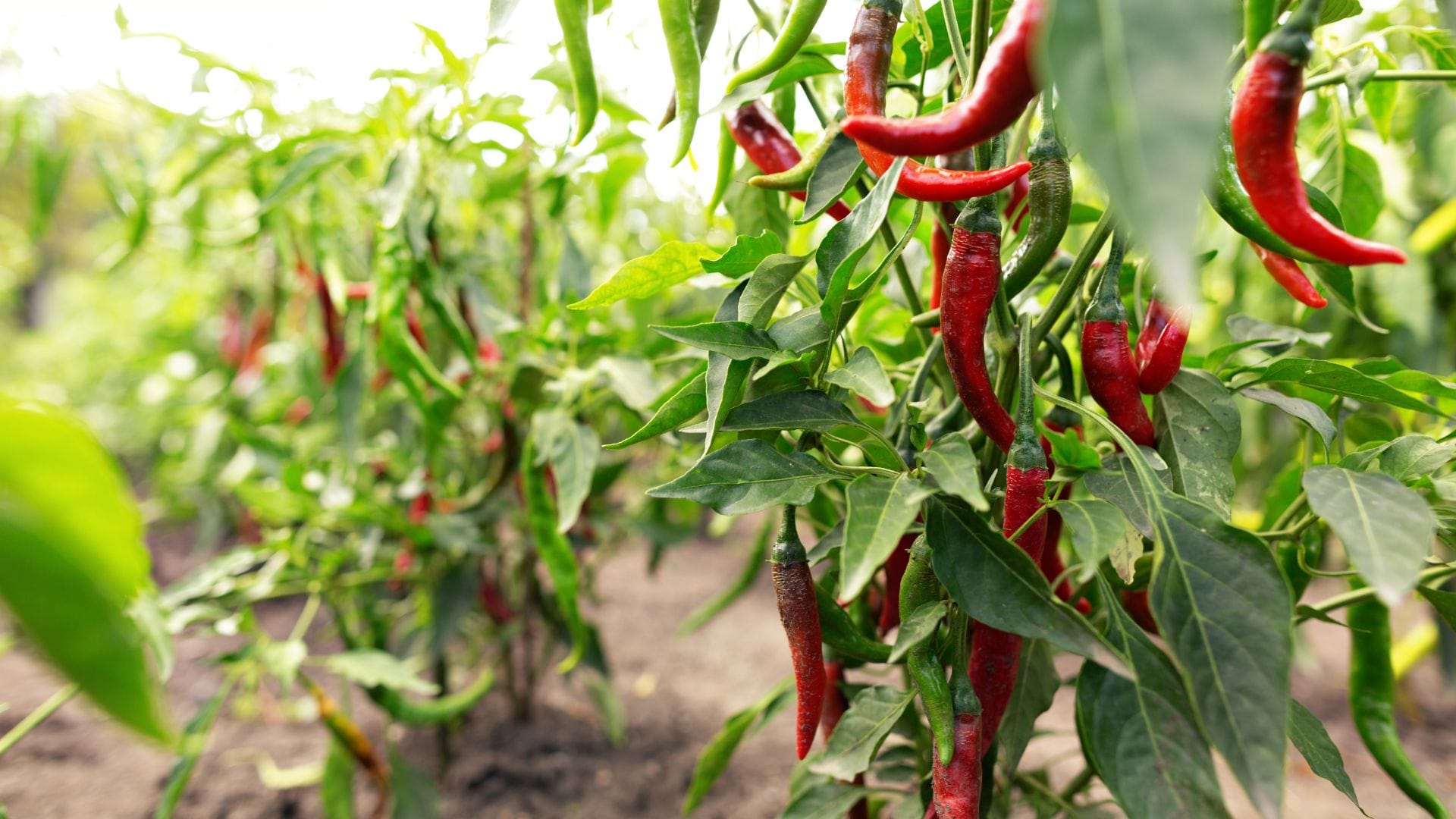
Flowering starts around 60–80 days after transplanting. Fruits initially appear green and gradually turn red when mature
The harvesting period may continue for several months depending on climate and management.
Harvesting
Ghost chillies are usually harvested when fruits become fully red and mature.
Harvesting Tips
- Harvest carefully using gloves.
- Avoid damaging fruits.
- Pick fruits at regular intervals.
- Dry chillies properly before storage.
The average crop duration is about 150–180 days.
Yield of Ghost Chilli
Yield depends on variety, climate, and management practices.
| Cultivation Type | Average Yield |
|---|---|
| Fresh fruits | 25–40 quintals per acre |
| Dry chillies | 4–6 quintals per acre |
Good farming practices can significantly improve production.
Post-Harvest Managemen
Proper post-harvest handling increases market value.
Important Practices
- Clean harvested fruits
- Dry under sunlight or solar dryers
- Store in moisture-free containers
- Pack properly for transportation
Dry ghost chillies have higher shelf life and export demand.
Profit in Ghost Chilli Farming
Ghost chilli cultivation can be highly profitable because of its premium market price. Farmers can earn additional income by selling:
- Fresh chillies
- Dried chillies
- Seeds
- Processed chilli products
Export demand for Bhut Jolokia continues to rise in many countries.
Conclusion
Ghost chilli cultivation is an excellent option for farmers looking for a high-value spice crop. With suitable climate conditions, quality seeds, proper irrigation, and effective pest management, farmers can achieve high yields and good profits. Due to its extreme heat and growing international demand, ghost chilli farming has become an important agricultural business in many regions of India.
FAQs on Ghost Chilli Cultivation
1. What is the best season for ghost chilli cultivation?
The best season is spring to early monsoon when temperatures remain warm and humidity is moderate.
2. How long does ghost chilli take to grow?
Ghost chilli plants usually take about 150–180 days from sowing to final harvest.
3. Which soil is best for ghost chilli farming?
Well-drained sandy loam or loamy soil with pH 6.0–6.8 is ideal.
4. How spicy is ghost chilli?
Ghost chilli is extremely hot and measures over 1 million Scoville Heat Units (SHU).
5. Can ghost chilli be grown in pots?
Yes, ghost chilli can be grown in large containers with proper sunlight and drainage.
6. What are the major pests in ghost chilli farming?
Aphids, thrips, mites, and fruit borers are common pests.
7. How much yield can farmers expect?
Farmers can obtain around 25–40 quintals of fresh chillies per acre under good management.
8. Why is ghost chilli commercially important?
It has high demand in spice industries, food processing, and export markets due to its intense pungency.
Also Read: Ghost Pepper Guide: Heat, Flavor, Pairings, And More