Growing Fresh Vegetables Without Soil or Wasting Water!
Tired of battling weeds, guessing about watering, and feeling guilty about your garden’s thirst? Imagine plucking crisp lettuce and fragrant basil right from your kitchen, grown with a fraction of the water of traditional gardening, and without a speck of soil in sight!
Ready to dive in for growing Vegetables Without Soil.
Welcome to the future of home gardening: soilless growing, specifically through techniques like hydroponics and aeroponics. These innovative methods allow you to cultivate an abundance of fresh, healthy vegetables with incredible efficiency, making them perfect for urban dwellers, eco-conscious gardeners, and anyone looking to simplify their green thumb journey.
Why Go Soilless and Water-Wise?
The benefits are truly compelling:
- Massive Water Savings: Soilless systems can use up to 90% less water than traditional soil gardening. How? Because the water is recirculated and contained, minimizing evaporation and runoff.
- Faster Growth & Higher Yields: Plants in these systems have direct access to nutrients and oxygen, leading to explosive growth rates and more abundant harvests.
- No Weeds, No Soil-Borne Pests: Say goodbye to back-breaking weeding and common garden diseases that originate in soil.
- Space-Efficient: Perfect for small apartments, balconies, or even just a corner of your kitchen. Vertical systems can maximize your yield in minimal space.
- Year-Round Growing: With the right setup (like grow lights), you can enjoy fresh produce regardless of the season or outdoor weather.
Getting Started: Hydroponics for Beginners (Deep Water Culture – DWC)
For those new to soilless gardening, the Deep Water Culture (DWC) hydroponic system is an excellent starting point. It’s simple to set up, Growing Fresh Vegetables Without Soil is effective, and requires minimal technical know-how.
Here’s the core concept: Your plant roots are suspended directly into a nutrient-rich water solution. An air pump keeps this water oxygenated, ensuring happy, healthy roots!
What You’ll Need:
You might be surprised at how accessible these materials are!
- Opaque Container/Reservoir: A large plastic storage bin with a lid works perfectly. Make sure it’s opaque to block light, preventing algae growth.
- Net Pots: Small plastic mesh cups that hold your plants.
- Growing Medium: Inert materials like Rockwool cubes (for starting seeds) and clay pebbles (Hydroton) to support the plant in the net pot.
- Air Pump, Air Stone, & Air Tubing: A standard aquarium air pump will oxygenate your nutrient solution.
- Hydroponic Nutrient Solution: Specialized liquid fertilizers designed for soilless systems (e.g., “Grow” and “Bloom” formulas).
- pH Testing Kit/Meter & Adjusters: To monitor and maintain the ideal acidity for your plants (usually pH 5.5-6.5).
- Seeds or Starter Plants: Leafy greens (lettuce, kale, spinach) and herbs (basil, mint, cilantro) are fantastic for beginners.
Your Step-by-Step DWC Setup:
- Prep Your Reservoir: Clean your container thoroughly. Drill or cut holes in the lid for your net pots to sit snugly, and a small hole for your air tubing.
- Start Your Plants: Plant your seeds in Rockwool cubes. Once they’ve sprouted and developed a few leaves, gently place the Rockwool cube into a net pot. Fill around it with rinsed clay pebbles to secure the plant.
- Mix Your Solution: Fill your reservoir with water, leaving a small gap from the lid. Add your hydroponic nutrients according to the manufacturer’s instructions (start conservatively!).
- Oxygenate & Balance pH: Submerge the air stone, connect it to your air pump, and turn it on – you should see steady bubbles! Now, test the pH of your solution and adjust it to the 5.5-6.5 range using your pH adjusters.
- Assemble & Grow! Place your net pots with plants into the lid holes. Ensure the bottom of the net pots, with the roots, is submerged in the nutrient solution. Position your system in a sunny spot or under a grow light.
The Ultra Water-Efficient Option: Aeroponics
If you’re ready for the next level of water efficiency and rapid growth, aeroponics is a game-changer. In this system, plant roots are suspended in air within a dark chamber and are periodically misted with a fine spray of nutrient solution. This maximizes oxygen exposure, leading to incredibly fast and robust growth with minimal water use.
A common DIY setup involves a vertical tower or a sealed container. A pump at the bottom pushes nutrient solution up to a sprinkler head or fine mist nozzles inside the chamber, which then sprays the suspended roots. A timer controls the pump, ensuring roots are misted for a few seconds every few minutes.
Maintenance: Keep Your Garden Thriving
- Monitor Water Levels: Top up your reservoir with fresh, pH-adjusted nutrient solution as the plants consume it.
- Check pH Regularly: Aim for a pH of 5.5-6.5. Adjust as needed.
- Change Solution: Fully replace the nutrient solution every 1-2 weeks to ensure plants receive a fresh, balanced supply.
- Cleanliness is Key: Keep your system clean to prevent algae and bacterial growth.
Best Crops for Your Fresh Vegetables Without Soil, Water-Wise Garden
Start with these easy-to-grow, high-yield options:
- Leafy Greens: Lettuce (all varieties!), kale, spinach, Swiss chard.
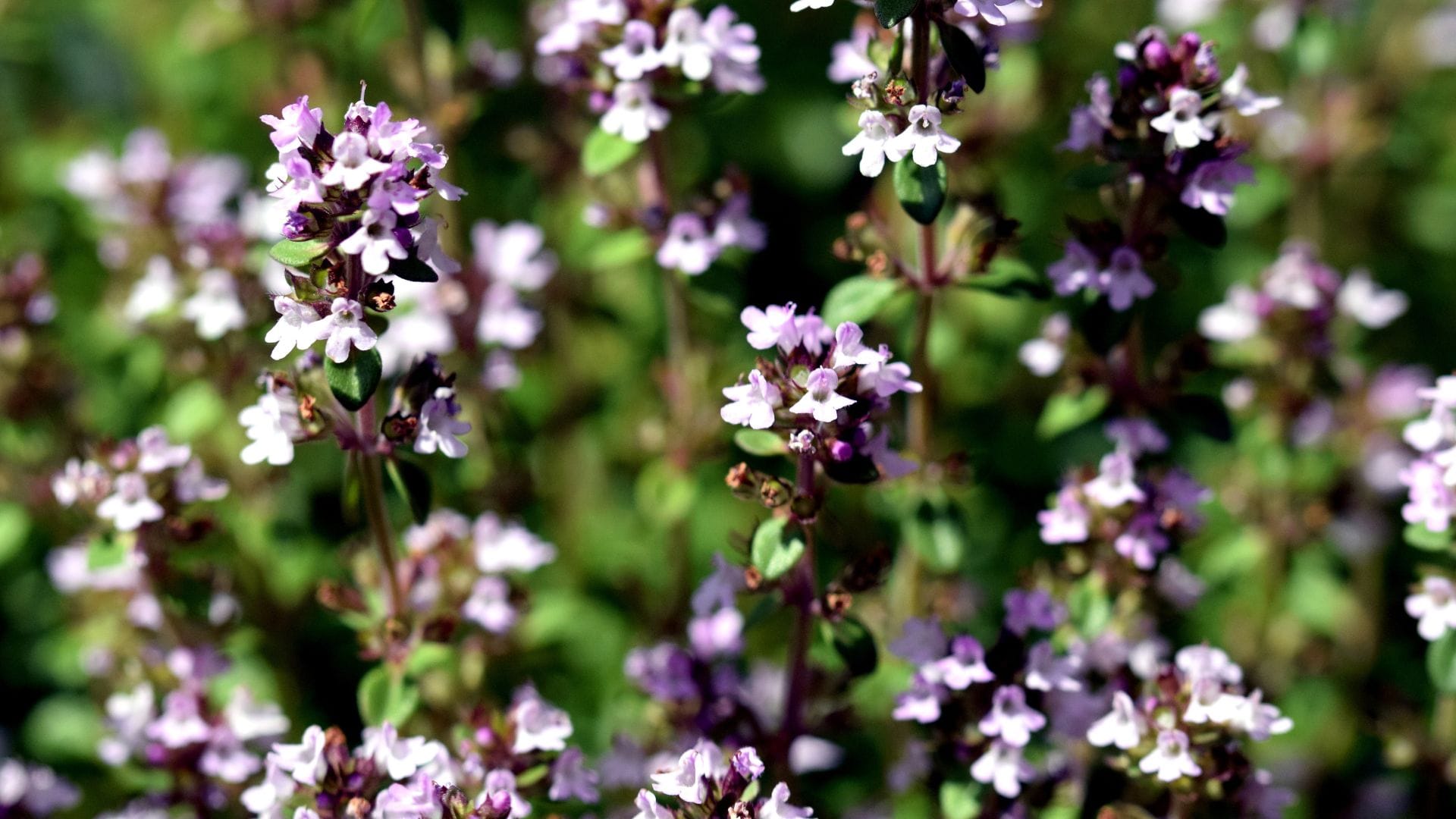
- Herbs: Basil, mint, parsley, cilantro, oregano.
- Fruiting Plants (for more advanced setups): Strawberries, small peppers, and cherry tomatoes.
Embrace the Future of Gardening!
Growing vegetables without soil and with minimal water isn’t just a novelty; it’s a smart, sustainable way to enjoy fresh, healthy produce at home. With a little setup and consistent care, you’ll be amazed at the vibrant, delicious harvests you can achieve.
So, ditch the dirt, conserve that water, and start your Growing Fresh Vegetables Without Soil or Wasting Water adventure today! Your taste buds (and the planet) will thank you. For better Crop Disease Management and Pest Control