Growing Jasmine Plants Indoors and Properly Care for Them
Growing Jasmine Plants Indoors:
Jasmine, known for its sweet fragrance and delicate white or yellow flowers, is one of the most beloved ornamental and aromatic plants in the world.
We will cover in this blog on Growing Jasmine Plants Indoors, the types of jasmine, the benefits of growing jasmine, and how to grow and care for jasmine plants, along with global and economic importance.
Table of Contents
Benefits of Growing Jasmine Plant Indoors
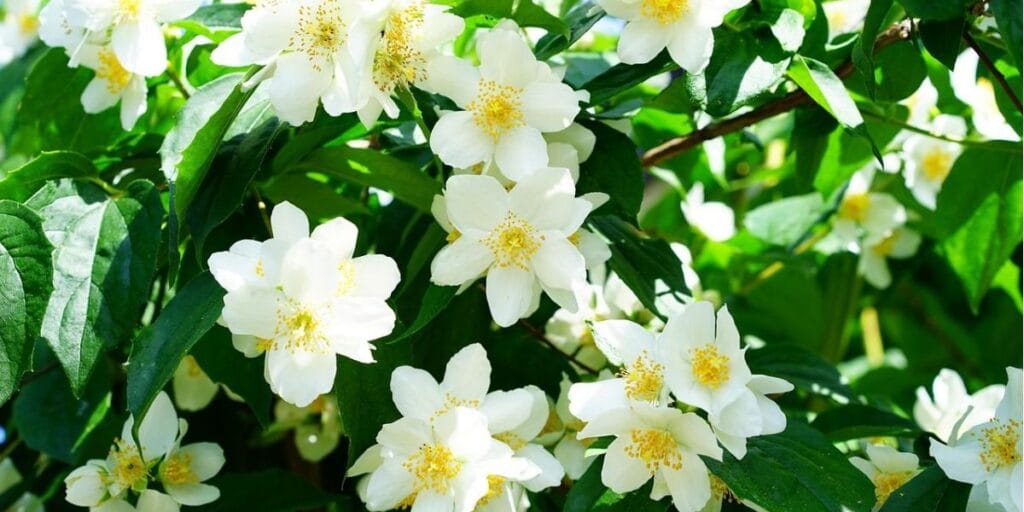
- Aromatic and Ornamental Value: Jasmine’s sweet fragrance makes it a popular choice in gardens, temples, and homes.
- Perfume Industry: Essential oils extracted from jasmine are key ingredients in high-end perfumes.
- Medicinal Uses: Jasmine is used in Ayurveda and traditional medicines for stress relief, skin care, and improving sleep.
- Cultural and Religious Importance: Widely used in garlands, rituals, and festivals in countries like India, Thailand, and the Philippines.
- Air Purification: Jasmine plants help in reducing pollutants and providing fresh oxygen indoors.
- Economic Benefits: Commercial jasmine cultivation provides employment to thousands of farmers and workers in the floriculture and perfume sectors.
Also Read: Key Benefits of Moringa Powder for Men
Types of Jasmine Plants Indoors
There are more than 200 species of jasmine, but the most popular ones include:
- Jasminum sambac (Arabian Jasmine): Known as “Mogra” in India, it is widely used in the production of garlands and perfumes.
- Jasminum grandiflorum (Spanish Jasmine): Popular in perfumery, with large white fragrant flowers.
- Jasminum officinale (Common Jasmine): A climbing species with a strong fragrance, commonly used for ornamental purposes.
- Jasminum auriculatum (Juhi): Small, star-shaped flowers, mainly grown in India.
- Jasminum multiflorum (Star Jasmine): A hardy, evergreen variety with clusters of small flowers.
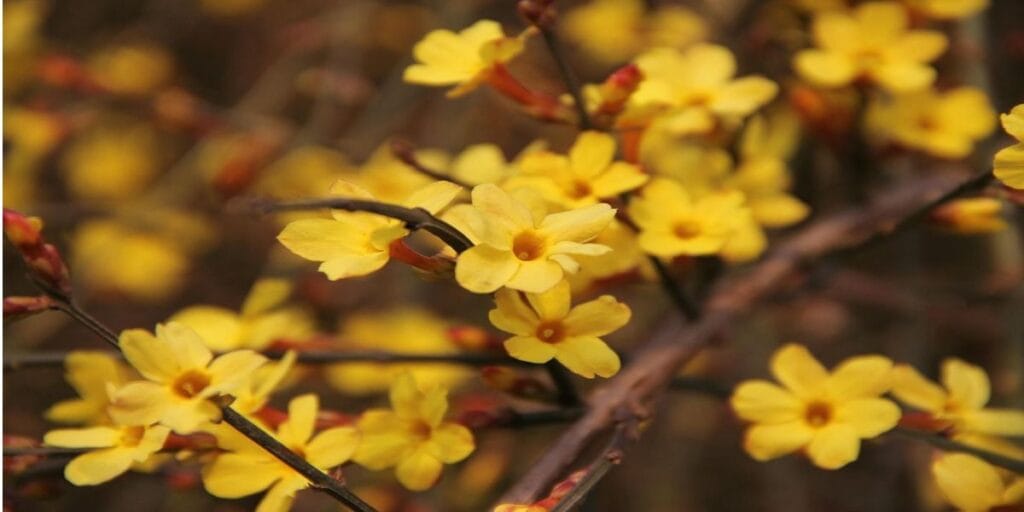
- Jasminum nudiflorum (Winter Jasmine): Known for its yellow blooms during winter.
How to Grow Jasmine Plants Indoors

1. Soil Requirement
Jasmine thrives best in well-drained, fertile soil that is rich in organic matter. Slightly sandy loam with a pH range of 6.0–7.5 is ideal.
2. Watering Needs
- Jasmine plants need regular watering, especially during the growing season.
- The soil should remain moist but not waterlogged.
- In summer, water jasmine 2–3 times a week, while in cooler seasons, watering once a week may be sufficient.
3. Weather and Temperature
- Jasmine prefers warm tropical and subtropical climates.
- Ideal growing temperature: 20°C–30°C (68°F–86°F).
- It cannot tolerate extreme cold or frost. In colder regions, jasmine should be grown indoors or in greenhouses during winter.
4. Sunlight Requirement
- Jasmine loves full sunlight to partial shade.
- At least 4–6 hours of direct sunlight daily helps in abundant flowering.
- In very hot regions, some afternoon shade is beneficial to protect the plant from scorching.
5. Planting and Propagation
- Plant cuttings during the rainy season or early spring for quick root development.
- Spacing of 1.5 to 2 meters is recommended for commercial plantations.
6. Fertiliser and Nutrition
- Balanced fertilisers containing nitrogen, phosphorus, and potassium encourage growth and flowering.
- Foliar sprays of micronutrients like zinc and iron boost flowering quality.
7. Pruning and Training
- Regular pruning after the flowering season helps in shaping the plant and promoting new growth.
Also Read: Which Country Produces the Most Jasmine Flowers?
Employment and Economic Significance
- Employment Generation: Jasmine farming provides direct and indirect employment to millions, including farmers, flower pickers, garland makers, traders, and perfume manufacturers.
- Export Value: Jasmine flowers and essential oils are exported to Europe, the Middle East, and Southeast Asia, contributing to foreign exchange earnings.
Also Read: 10 Remarkable Health Benefits of Pineapple.
Jasmine in Global Trade
- Jasmine essential oil, often referred to as “liquid gold,” is among the most expensive oils in the global perfume trade.
- India, Egypt, and Morocco dominate the international jasmine oil market.
Final Opinion
Growing jasmine plants is not just about adding beauty and fragrance to your garden—it is also about connecting with a plant that has cultural, medicinal, and economic value worldwide. With proper soil preparation, watering, sunlight, and care, jasmine can thrive in home gardens, balconies, or commercial farms.
India stands as the world leader in jasmine production, thanks to its climate, tradition, and large-scale cultivation practices. The global perfume and floriculture industries rely heavily on jasmine, making it a plant of immense employment and trade significance.