How Agriculture Shapes Our Health and Nutrition
When we think about agriculture, we often picture endless fields of crops, busy farmers, and tractors working the land. But agriculture is more than just growing food — it’s the foundation of our health and nutrition. Every fruit, vegetable, grain, and seed we eat begins its journey on a farm. The way we grow, process, and distribute that food directly influences how healthy we are as individuals and as a society.
In this blog, let’s explore how agriculture and nutrition are deeply connected, and why paying attention to this link matters for our future.
1. Agriculture Determines the Quality of Our Diet
The most obvious way agriculture affects health is through the variety and quality of food it provides. A diverse agricultural system that grows fruits, vegetables, legumes, whole grains, and nuts helps people build balanced diets. These foods supply essential vitamins, minerals, fiber, and antioxidants that protect us from diseases like diabetes, heart disease, and certain cancers.
However, when farming focuses mostly on staple crops like wheat, rice, and maize, diets can become less varied. Over time, that can lead to “hidden hunger” — a form of malnutrition caused by a lack of micronutrients, even when calories are sufficient. This is why encouraging crop diversity and supporting small-scale farmers who grow local produce is so important.
2. Farming Practices Affect Nutrient Levels
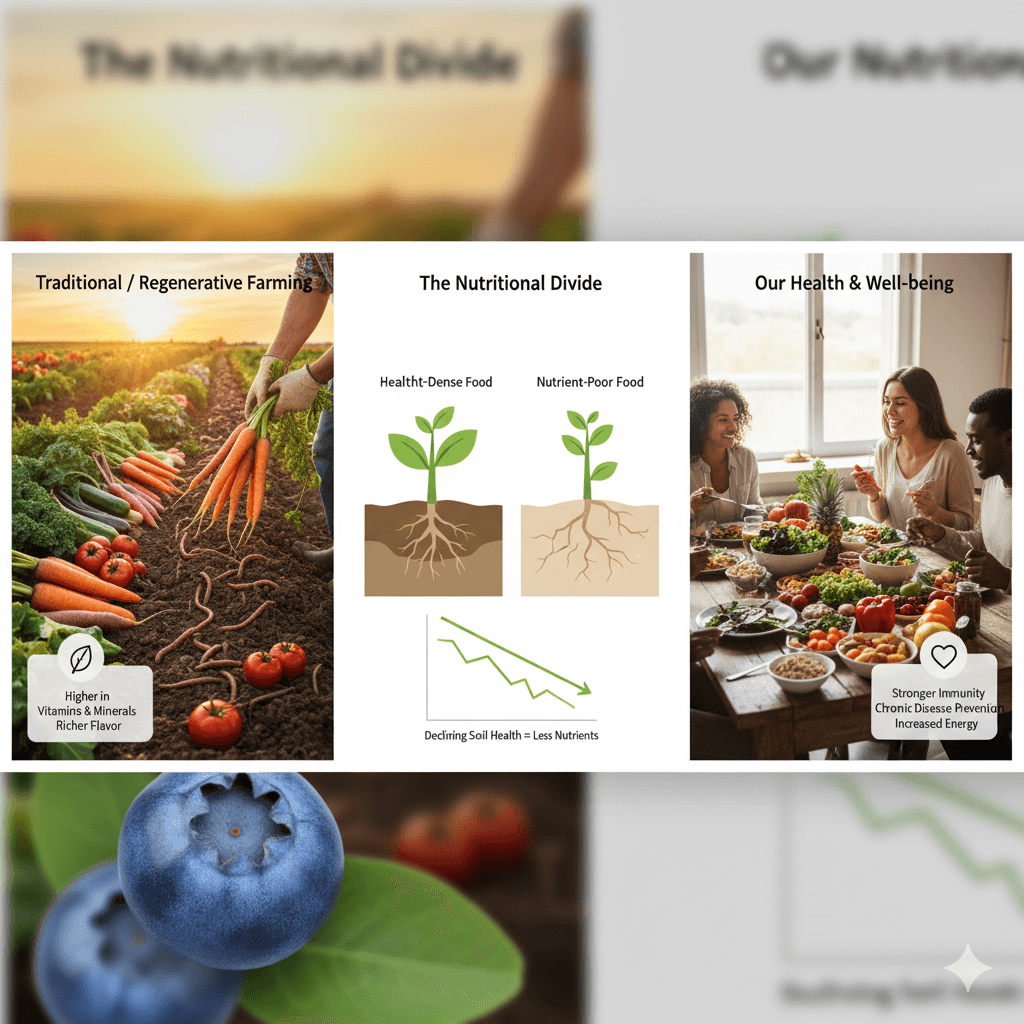
The way food is grown also matters. Healthy soil produces nutrient-rich plants. Practices like crop rotation, composting, and reduced pesticide use help maintain soil health and improve the nutritional value of food.
On the other hand, intensive chemical farming can strip soil of its nutrients, which then affects the quality of crops. Some studies show that vegetables grown in nutrient-poor soils contain lower levels of vitamins and minerals than those grown organically or sustainably.
By supporting sustainable agriculture, we’re not just protecting the environment — we’re also investing in better nutrition.
3. Agriculture Can Help Fight Malnutrition
Agriculture plays a vital role in addressing both undernutrition and overnutrition. In many rural areas, home gardens and small farms provide families with a direct source of fresh food. Programs that integrate nutrition education with farming support have shown great success in reducing childhood stunting and anemia.
At the same time, modern food systems have made processed, calorie-dense foods more available than ever. This shift has contributed to rising obesity rates worldwide. By focusing agricultural policies on nutritious food production — and making those foods affordable — we can help people make healthier choices.
4. Local Food Systems Support Healthier Communities
Shortening the distance between farm and table also benefits nutrition. Local food systems, such as farmers’ markets and community-supported agriculture (CSA) programs, provide fresher produce that retains more nutrients. They also encourage seasonal eating, which naturally increases dietary variety.
Moreover, local agriculture builds food security. When communities can produce their own healthy food, they become less dependent on processed imports and are more resilient to supply chain disruptions.
5. The Future: Nutrition-Sensitive Agriculture
The future of farming is moving toward what experts call nutrition-sensitive agriculture — a system that doesn’t just aim to maximize yields but also improve dietary quality. This includes:
- Biofortified crops like iron-rich beans or vitamin A-enriched sweet potatoes.
- Agroecology, which integrates ecological principles into farming for healthier food.
- Policy support that rewards farmers for producing nutrient-dense crops.
These approaches can make a real difference in public health, especially in regions where malnutrition remains a serious issue.
Also read How to Start a Capsicum Garden at Home: A Beginner’s Guide