
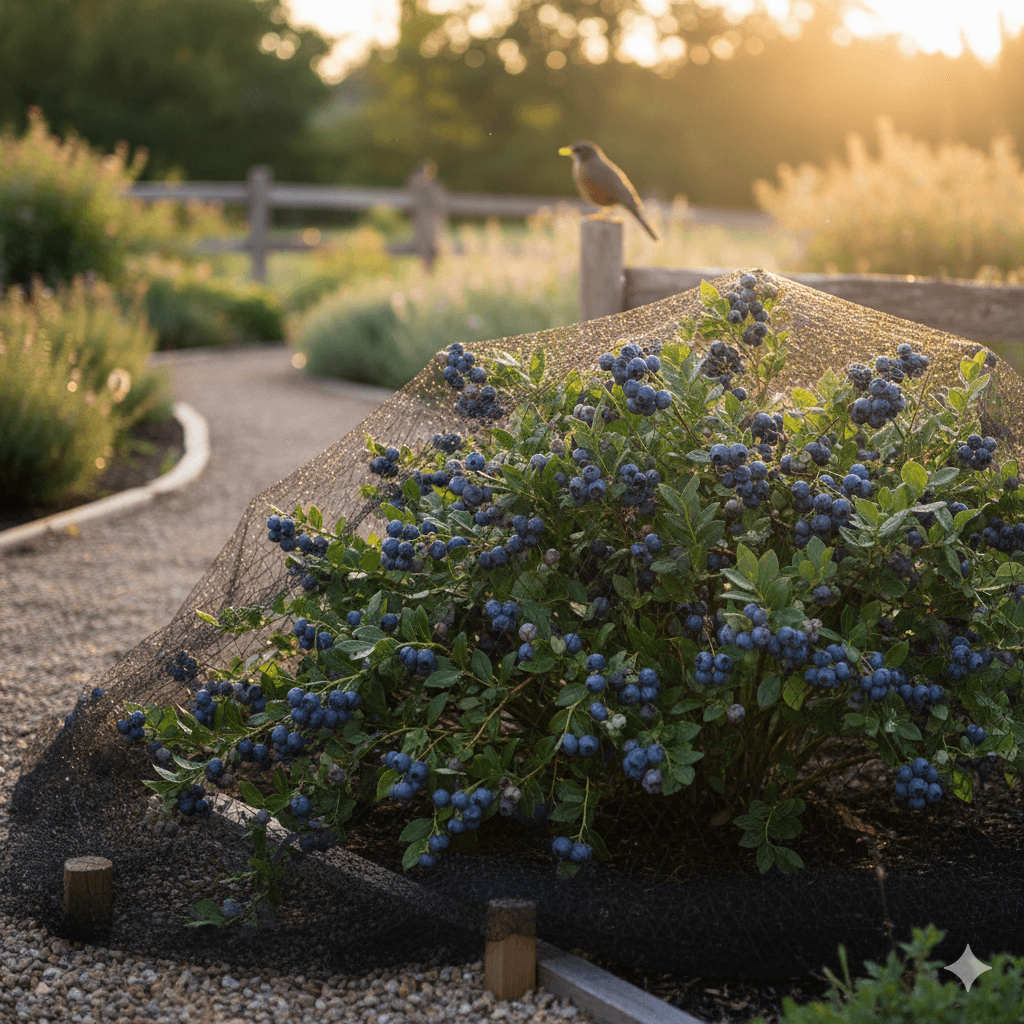
How to Protect Fruits from Birds and Other Animals
Here’s a simple guide to protect fruits and tile, keeping your garden healthy and wildlife-friendly.
If you’ve ever walked out to your garden excited to pick ripe, juicy fruit only to find that birds, squirrels, or other animals got there first, you’re not alone. Protecting fruit crops from hungry wildlife is one of the biggest challenges for home gardeners and even small farmers. The good news is that with a few smart strategies, you can keep your harvest safe without harming the animals.
1. Use Netting to Create a Barrier
One of the most effective and humane ways to protect your fruit is by covering your plants with garden netting. Lightweight mesh nets are easy to install and create a physical barrier that stops birds and small animals from reaching your fruit.
How to do it: Drape the netting over trees, bushes, or trellises and secure it at the base so animals can’t crawl underneath.
Tips: Choose a fine mesh that keeps out even small birds but still allows sunlight, rain, and air to pass through. Make sure the net isn’t too tight against the plants to prevent fruit from getting damaged.
2. Try Scare Tactics (But Mix Them Up)
Birds and some animals are easily startled by movement, sound, or reflections. Using visual and auditory deterrents can make them think twice before approaching your garden.
Reflective tape or old CDs: Hang them from branches to create flashes of light that scare birds away.
Garden scarecrows: A classic method, but they work best if you move them every few days so birds don’t get used to them.
Noise makers: Wind chimes, bells, or motion-activated devices can help, especially if used alongside visual deterrents.
Pro tip: Change the position or type of deterrent regularly. Animals are smart and will eventually learn if nothing changes.
3. Use Natural Smells and Repellents
Some animals dislike strong smells, and you can use that to your advantage. Natural repellents are a safe and eco-friendly option for Protect Fruits from Birds and Other Animals
For birds: Spraying a mix of water and chili pepper or garlic on plants (not directly on the fruit you plan to eat soon) can make them less appealing.
For mammals: Scents like vinegar, peppermint oil, or predator urine (available at garden stores) can deter squirrels, deer, and rabbits.
Just remember to reapply these repellents after rain or watering.
4. Offer a Distraction to Protect Fruits from Birds
Sometimes the best way to protect your main harvest is by sacrificing a little bit elsewhere. Plant a few extra fruit-bearing plants in another area or leave a small patch of fruit unprotected as a “decoy.”
This works especially well with birds — if they have an easier food source, they’re less likely to bother your main plants.

5. Build a Fruit Cage or Enclosure
For larger gardens or valuable fruit trees, building a more permanent structure can be worth the effort. A fruit cage is essentially a frame covered with mesh that completely protect fruits from Birds and Other Animals.
Advantages: It offers reliable, long-term protection from birds, squirrels, and even larger animals.
Considerations: This option requires more work and materials upfront, but it pays off if you grow a lot of fruit every season.
6. Harvest Early and Often
Timing is everything. Many animals are attracted to ripe, sweet fruit. Picking your fruit as soon as it’s ready reduces the chance that it will become a target. Regularly check your plants so nothing overripens on the branch or vine.


