How to Start Growing Zinnias: Easy-Care Flower for Every Garden
Introduction: How to Start Growing Zinnias
Zinnias are among the most cheerful flowers you can grow in your garden. Known for their bold colors, easy care, and ability to thrive in a variety of conditions, these flowers are a favorite for both beginner and experienced gardeners. If you’re looking to add a pop of color with minimal effort, zinnias are the perfect choice.
In this blog, we’ll walk you through everything you need to know about growing zinnias—from planting seeds to enjoying their vibrant blooms.
Table of Contents
Why Choose Zinnias for Your Garden?
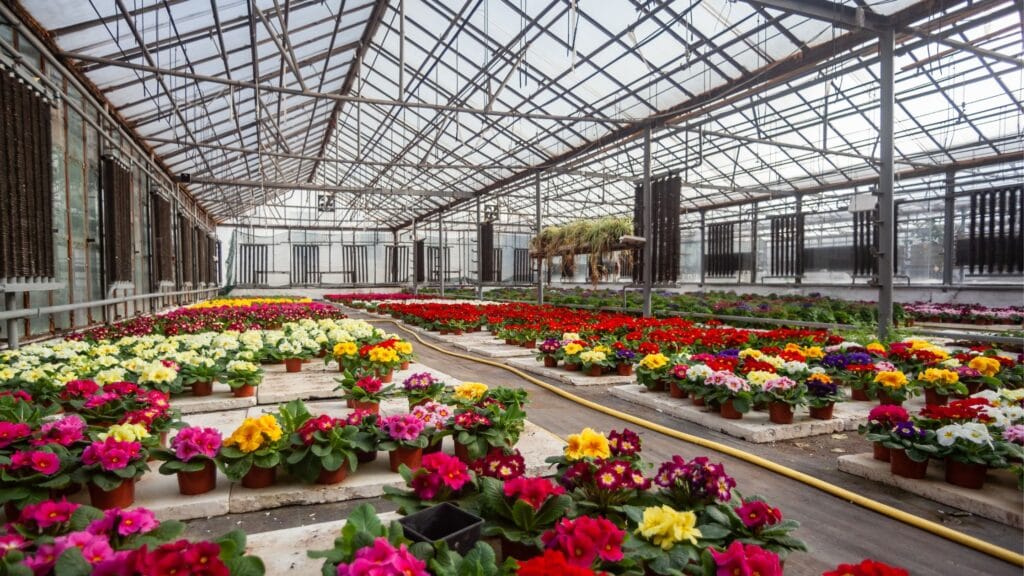
Zinnias are beloved for many reasons, including:
Vibrant Colors:
Available in shades of red, pink, orange, yellow, purple, and even bi-color varieties.
Long Blooming Season:
They flower from summer until the first frost.
Pollinator Friendly:
Bees, butterflies, and hummingbirds love them.
Low Maintenance:
Perfect for gardeners of all experience levels.
Great for Cut Flowers:
Their long stems make them ideal for bouquets.
Also Read: Dragon fruit gardening
How to Start Growing Zinnias

1. Choose the Right Location
Zinnias love the sun. Select a spot with full sunlight (at least 6–8 hours a day). More sun means more blooms.
2. Prepare the Soil
Zinnias aren’t fussy, but they thrive in:
Well-draining soil
Moderately fertile conditions
A soil pH between 5.5 and 7.5
Tip: Enrich the soil with compost before planting to encourage healthy growth.
3. Planting Zinnia Seeds
You can start zinnias in two ways:
Direct Sowing Outdoors: Once the soil warms to about 60°F (15°C), plant seeds ¼ inch deep and 6–12 inches apart.
Starting Indoors: Begin seeds 4–6 weeks before the last frost, then transplant them outside once it’s warm.
Good to know: Zinnias don’t transplant well if their roots are disturbed. Use biodegradable pots if starting indoors.
4. Watering and Care
Water at the base to avoid wetting leaves, which can lead to mildew.
Keep soil moist but not soggy.
Water deeply 1–2 times per week, depending on the weather.
5. Encourage More Blooms
Deadheads spent flowers to promote continuous flowering.
Pinch young plants at 8–12 inches tall to encourage bushier growth.
Also Read: Which is the Highest Producer of Marigolds in the World?
Zinnia Varieties to Try
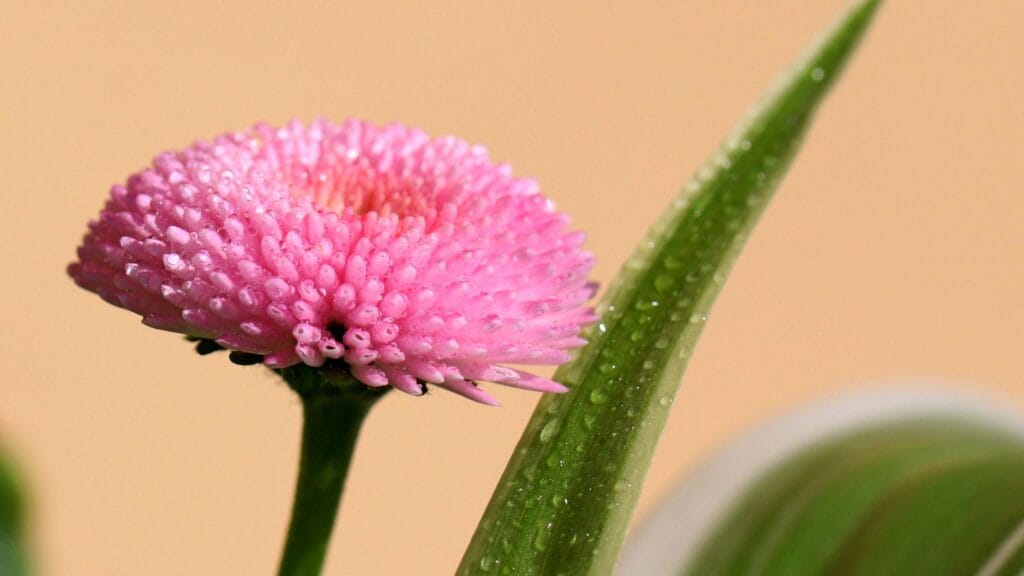
Zinnia elegans:
Classic, large blooms in bold colors.
Zinnia angustifolia:
Compact, heat-tolerant variety.
Zahara and Profusion series:
Disease-resistant and great for containers.
Zinnias in Every Garden Style
Cottage Gardens:
Mix with cosmos, sunflowers, and marigolds.
Butterfly Gardens:
Zinnias attract monarchs and swallowtails.
Cut Flower Beds:
Grow tall varieties for long-lasting bouquets.
Containers & Pots:
Dwarf zinnias bring cheer to patios and balconies.
Common Problems and Solutions
Powdery Mildew:
Avoid overhead watering and provide good air circulation.
Aphids or Whiteflies:
Spray with neem oil or soapy water.
Poor Blooming:
Ensure enough sun and avoid over-fertilizing with nitrogen.
Also Read: Pineapple Gardening
Final Thoughts
Zinnias are a bright, easy-care flower that bring instant charm to any garden. Whether you grow them in beds, borders, or pots, they reward you with endless color, attract pollinators, and require very little effort. With just a handful of seeds, you can turn your garden into a vibrant paradise all summer long.
So grab a packet of zinnia seeds, find a sunny spot, and get ready to enjoy one of the most rewarding flowers you can grow!