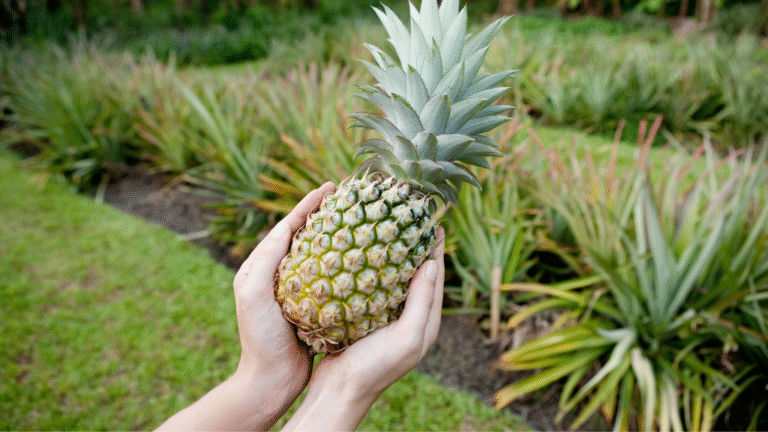
Organic Farming: A Return to Nature for Healthy Soil and Safer Food
What Is Organic Farming?
Organic farming is a method of growing crops and raising livestock that relies on natural processes instead of chemical fertilizers, pesticides, or genetically modified organisms (GMOs). The goal is simple: work with nature rather than against it.
Instead of using synthetic inputs, organic farmers focus on improving soil health, encouraging biodiversity, and maintaining a balanced ecosystem. This approach not only produces healthier food but also protects the environment for future generations.
Why Organic Farming Matters
Here’s why more farmers and consumers are choosing organic:
1. Healthier Food
Organic produce is grown without harmful chemicals. That means fewer pesticide residues on fruits and vegetables and more natural nutrients for you and your family.
2. Better for the Environment
Conventional farming often relies on synthetic fertilizers and pesticides that pollute soil and water. Organic farming reduces pollution, conserves water, and helps maintain biodiversity.
3. Improved Soil Health
Healthy soil is the foundation of good farming. Organic practices like composting, crop rotation, and green manure enrich the soil with nutrients and improve its structure over time.
4. Supports Pollinators and Wildlife
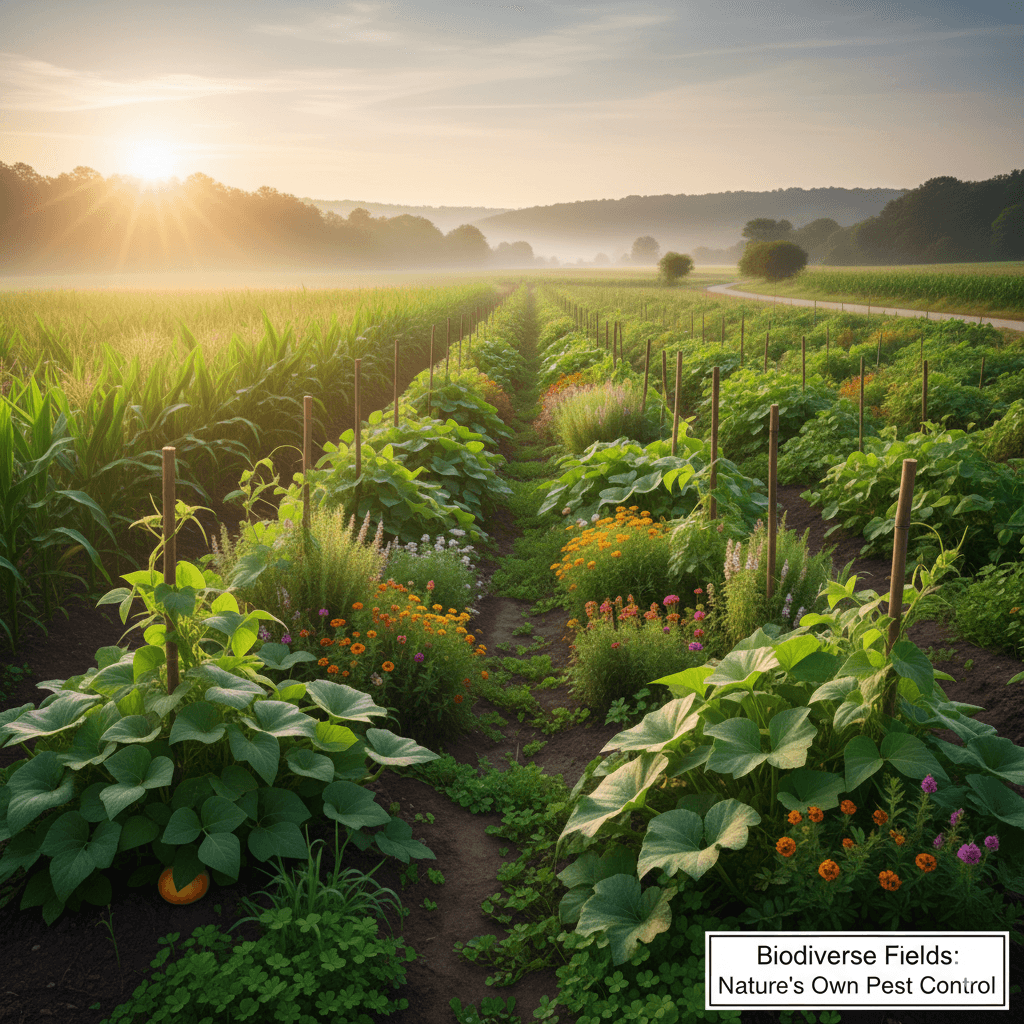
Because organic farms avoid toxic pesticides, bees, butterflies, and other pollinators can thrive. A diverse farm also provides habitat for beneficial insects and birds.
Key Practices in Organic Farming
Here are some core techniques organic farmers use to keep their land healthy and productive:
Rotating crops season by season prevents nutrient depletion and reduces pest and disease problems.
2. Composting and Organic Fertilizers
Instead of chemical fertilizers, organic farmers use compost, animal manure, and green manure to feed the soil naturally.
3. Biological Pest Control
Beneficial insects, birds, and natural predators help control pests. Some farmers also plant pest-repelling herbs or flowers around their crops.
4. Mulching and Cover Crops
Mulch helps retain soil moisture and control weeds, while cover crops add nutrients and prevent erosion.
5. Integrated Livestock
Animals can be part of an organic farm too. Their manure enriches the soil, and they help manage weeds and pests.
Challenges of Organic Farming
While the benefits are clear, organic farming isn’t without its challenges:
Yields can be slightly lower compared to chemical-based farming.
Certification and inspection processes can be costly and time-consuming.
Managing pests and diseases naturally requires knowledge and patience.
Despite these challenges, many farmers believe the long-term rewards — healthier soil, safer food, and a sustainable future — are worth the effort.
The Future of Organic Farming
The demand for organic food is growing every year as more people care about what they eat and how it’s grown. With climate change, soil degradation, and biodiversity loss becoming global concerns, organic farming offers a hopeful solution — one that respects nature and nourishes both people and the planet.