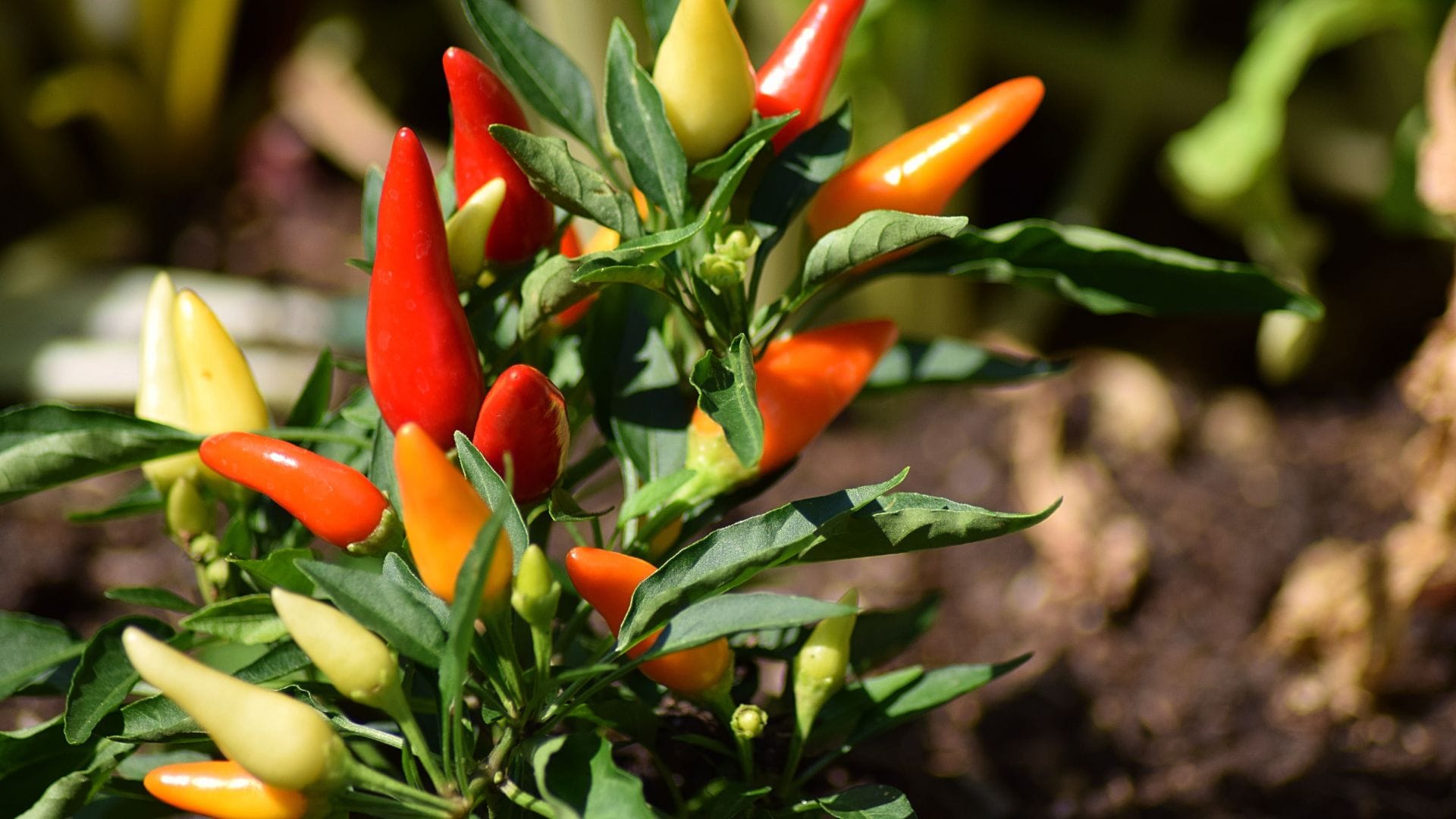
Poisonous Flowers and Plants: The Toxic Beauty in Your Garden
Poisonous Flowers and Plants
Gardens are often admired for their breathtaking colors, enchanting scents, and calming atmosphere. Yet, hidden among this natural beauty are plants that can be dangerously toxic to humans and animals. These poisonous flowers and plants may look harmless, but a small touch or accidental ingestion can cause serious reactions. Let’s explore some of the most common toxic beauties found in home gardens, how they affect us, and what you can do to keep your garden both beautiful and safe.
Table of Contents
The Allure of Toxic Beauty
The paradox of poisonous plants lies in their appearance — the more stunning they are, the more dangerous they may be. Nature has evolved these plants with chemical defenses to deter herbivores and protect themselves from harm. These toxins can range from mild irritants to deadly poisons.
While many gardeners grow these plants for their ornamental value, it’s important to understand their risks — especially if you have children or pets at home.
Also Read: Hibiscus Plants: Beauty, Benefits, and Growing Guide:
Common Poisonous Flowers and Plants Found in Gardens

1. Oleander (Nerium oleander) Of Poisonous Flowers Plants
One of the most beautiful yet extremely toxic garden plants, Oleander produces clusters of pink, red, or white blooms. However, every part of this plant — from its leaves to its sap — contains potent toxins called cardiac glycosides.
- Toxic effects: Nausea, irregular heartbeat, dizziness, and even cardiac arrest if ingested.
- Safety tip: Keep Oleander out of reach of children and pets, and wear gloves when pruning.
2. Lily of the Valley (Convallaria majalis) Of Poisonous Flowers Plants
This delicate plant with its bell-shaped white flowers emits a sweet fragrance that hides its poisonous nature.
- Toxin: Convallatoxin — affects the heart and nervous system.
- Symptoms: Vomiting, slow heartbeat, and confusion.
- Note: Even the water in which the flowers are kept can be toxic.
3. Foxglove (Digitalis purpurea) Of Poisonous Flowers Plants
Known for its tall spikes of purple, pink, or white flowers, Foxglove adds elegance to any garden. However, it contains digitoxin and digoxin, compounds that can disrupt heart rhythms.
- Toxicity signs: Irregular pulse, nausea, and hallucinations.
- Fun fact: These toxins are also used in controlled doses to make heart medications.
4. Hydrangea (Hydrangea macrophylla) Of Poisonous Flowers Plants
These showy, colorful shrubs brighten gardens, but their leaves and buds contain cyanogenic glycosides — chemicals that release cyanide when consumed.
- Symptoms: Stomach pain, vomiting, and lethargy.
- Pet safety: Keep dogs and cats away, as they are more susceptible.
5. Daffodil (Narcissus spp.) Of Poisonous Flowers Plants
A symbol of spring, Daffodils contain lycorine, a toxin mainly concentrated in the bulbs.
- Effects: Nausea, abdominal pain, and irritation of the mouth and throat.
- Tip: Handle bulbs carefully when planting to avoid skin irritation.
6. Wisteria (Wisteria sinensis) Of Poisonous Flowers Plants
The cascading violet flowers of Wisteria are visually stunning, but the seeds and pods contain lectins and wisterin, which can cause severe stomach upset.
- Symptoms: Vomiting, diarrhea, and abdominal cramps.
7. Angel’s Trumpet (Brugmansia spp.) Of Poisonous Flowers Plants
With its large, trumpet-shaped blooms hanging gracefully from the branches, Angel’s Trumpet looks heavenly — but it’s dangerously toxic.
- Toxins: Scopolamine and atropine, which can cause hallucinations and paralysis.
- Caution: Even the scent in enclosed areas can lead to headaches and dizziness.
8. Azalea and Rhododendron Of Poisonous Flowers Plants
These popular ornamental shrubs add vivid color to landscapes but contain grayanotoxins, harmful to both humans and animals.
- Symptoms: Salivation, vomiting, and heart irregularities.
- Pet warning: Ingesting even small amounts can be fatal for cats or dogs.
Recognizing the Signs of Plant Poisonous Flowers

If you suspect plant poisoning in humans or pets, act immediately:
- Do not induce vomiting unless advised by a professional.
- Call emergency services or a poison control center.
- If a pet is affected, contact your veterinarian immediately.
- Identify the plant — take a photo or sample to help professionals determine treatment.
How to Enjoy Toxic Plant Poisonous Flowers Safely
You don’t need to banish all poisonous plants from your garden. With care and awareness, you can safely enjoy their beauty:
- Label toxic plants clearly.
- Educate children about not touching or tasting unknown plants.
- Wear gloves when pruning or handling potentially poisonous species.
- Keep pets indoors or supervised if your garden contains toxic varieties.
If you’re worried about risk, consider safer alternatives such as sunflowers, marigolds, or petunias, which are non-toxic and just as vibrant.
Also Read :Foxglove: How to Grow and Care with Success
Why Some Gardeners Still Love Poisonous Plants

Despite their risks, poisonous plants remain popular among gardeners for good reasons:
- Aesthetic value: They often have striking flowers or unique foliage.
- Pest resistance: Their toxicity can naturally deter pests.
- Historical and medicinal significance: Many have been used for centuries in herbal medicine (in controlled, expert-guided doses).
These plants remind us that nature’s beauty and danger often coexist — a balance that has fascinated humans for generations.
Final Thoughts
Your garden is a living piece of art — full of color, fragrance, and life. But beneath its charm, some plants hide their dark side. Understanding which species are toxic allows you to cultivate safely and responsibly.
Before adding new plants to your garden, research their characteristics and toxicity levels. Awareness is the best protection against accidental poisoning. With proper care, you can admire the toxic beauty of your garden — safely appreciating nature’s most enchanting yet dangerous masterpieces.
Also Read: 7 Easy Plants You Can Grow Without Worry