The Story of Our Cornfield: never gets old
There’s something truly special about cornfield. Maybe it’s the sound the dry stalks make when the wind whispers through them in the fall. This isn’t a fancy manual—just a simple, human guide to how a corn crop comes to life, from a handful of seeds to a field of gold.
Why Cornfield Matters
It feeds families (sweet corn on the cob), animals (field/dent corn), and even helps make fuel and everyday products.
Grown right, it can be kind to the soil and your wallet.
Plan the Crop
Sweet corn: for fresh eating.
Field (dent) corn: for feed, flour, oil, and ethanol.
Choose a variety that fits your season (early, mid, or late) and has disease resistance.
Wait for warm soil: around 10–12°C (50–55°F). Cold, wet ground makes seeds stall.
Get the Soil Ready for cornfield
Corn likes well‑drained soil and lots of sun (at least 6–8 hours daily).
Mix in compost or well‑rotted manure if your soil is tired.
If you can, do a simple soil test. Corn needs nitrogen; a test tells you how much to add.
Planting Day
Row spacing: about 75 cm/30 inches for field corn.
Sweet corn: 20–25 cm (8–10 inches) apart.
Field corn: 15–20 cm (6–8 inches) apart
Tip: Plant in blocks (several short rows) rather than one long row—corn pollinates better this way.
Early Care: Water, Weeds, and Feeding
Water: Aim for about 2.5 cm (1 inch) per week.
Weeds: Keep rows clean for the first 4–6 weeks. Mulch or shallow cultivate so roots aren’t damaged.
Feeding: A little starter fertilizer at planting helps. Side‑dress nitrogen when plants are “knee‑high.”
Watching It Grow
Seedling:
Small and tender—watch for birds and cutworms.
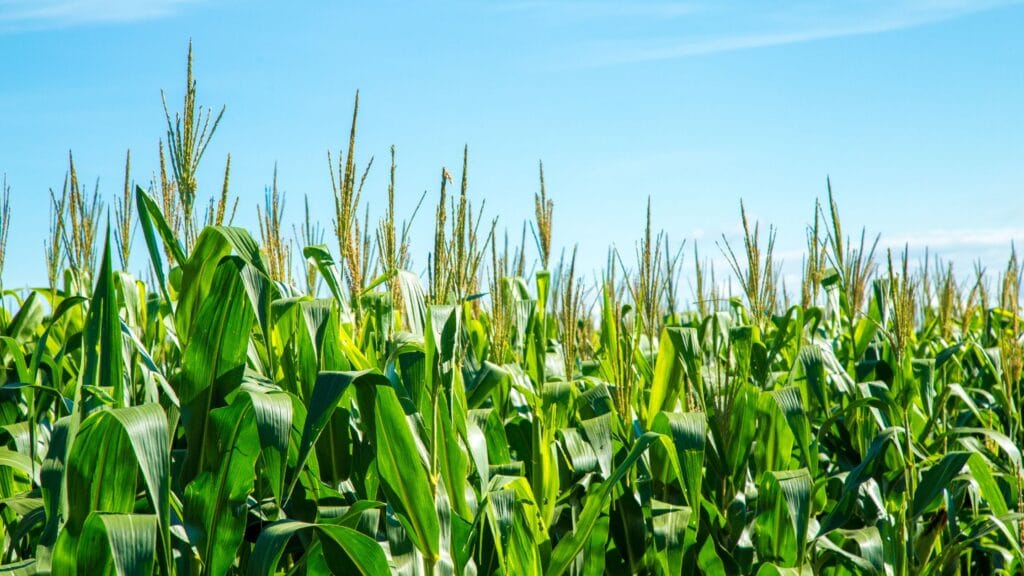
Rapid growth:
Leaves stack up fast; you can almost see it stretch after a warm rain.
Fill and dry‑down:
Ears plump up, then start to mature.
Pests and Simple Fixes
Corn earworm:
For sweet corn, slip a drop of cooking oil or BT into the tip of the ear when silks appear, or use a tight tip cover.
Cutworms:
Use collars around seedlings or keep the area weed‑free before planting.
Disease:
Rotate crops, choose resistant varieties, and avoid watering the leaves at night.
Essential Harvest Time
Sweet corn:
Ready when silks turn brown, ears feel full. Pick in the morning for the best taste and chill fast.
Field corn:
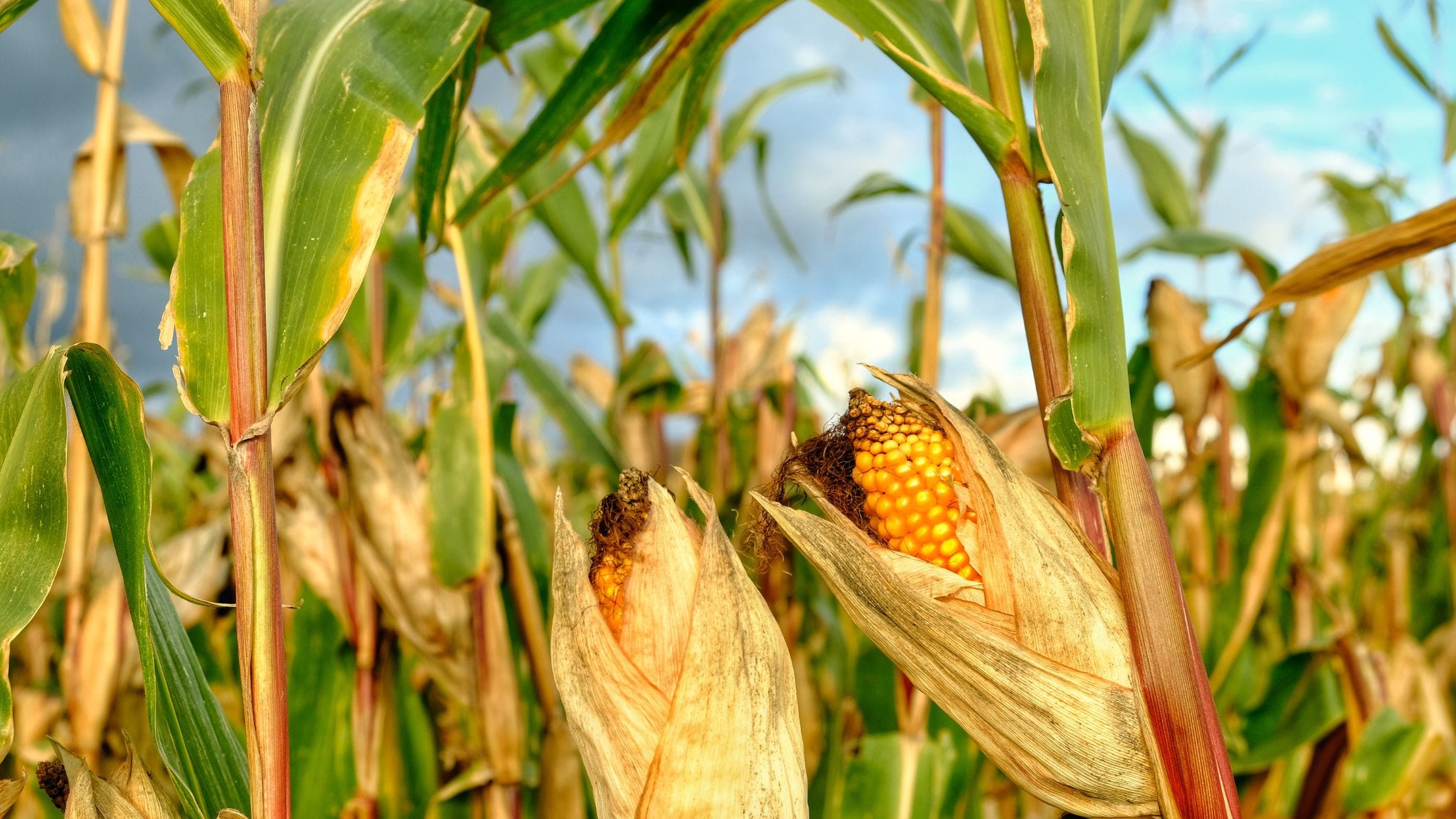
Wait until the husks dry and the kernels are hard.
Growing With Care your cornfield
Rotate crops to break pest cycles.
Use cover crops after harvest to protect soil and add nutrients.
Reduce tillage where you can to keep soil life happy.
Apply fertilizer only where needed—your wallet and the river will thank you.
A Few farmer Notes
Every season teaches something. Some years, the rain shows up right on time. Some years it doesn’t. But the rhythm—plant, care, harvest—never gets old.
Also, follow Discover a Guide to Sapodilla Farming Here.