Where Can You Plant Hostas for Best Results?
Where Can You Plant Hostas?
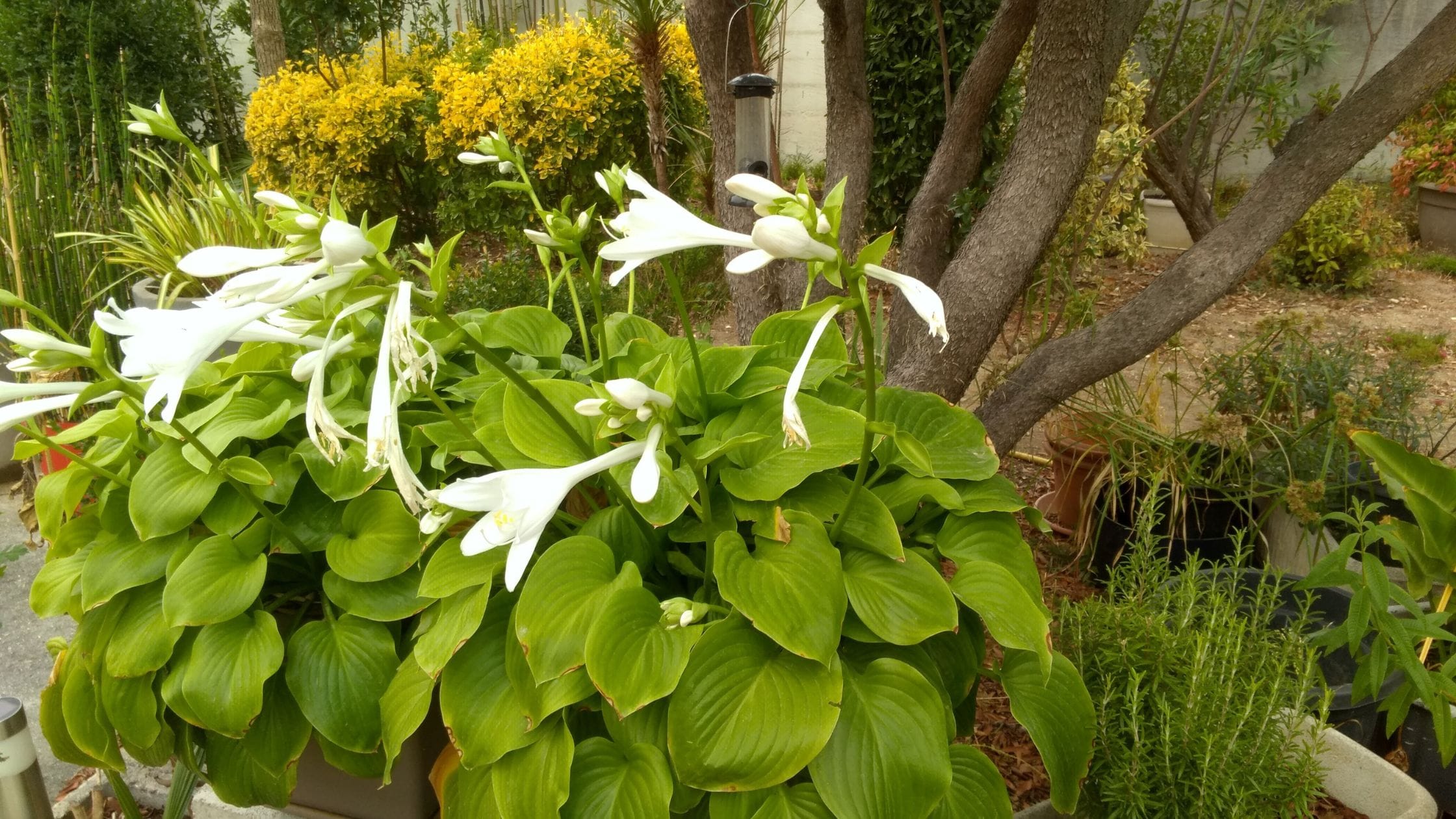
If you are searching for a hardy, lush, and elegant perennial plant that adds beauty to your garden, hostas are the perfect choice. Known for their striking foliage and low-maintenance nature, hostas thrive in the right location. But many gardeners wonder: where should you plant hostas for the best results? Let’s dive into everything you need to know to grow these shade-loving favourites successfully.
Table of Contents
Understanding Hostas
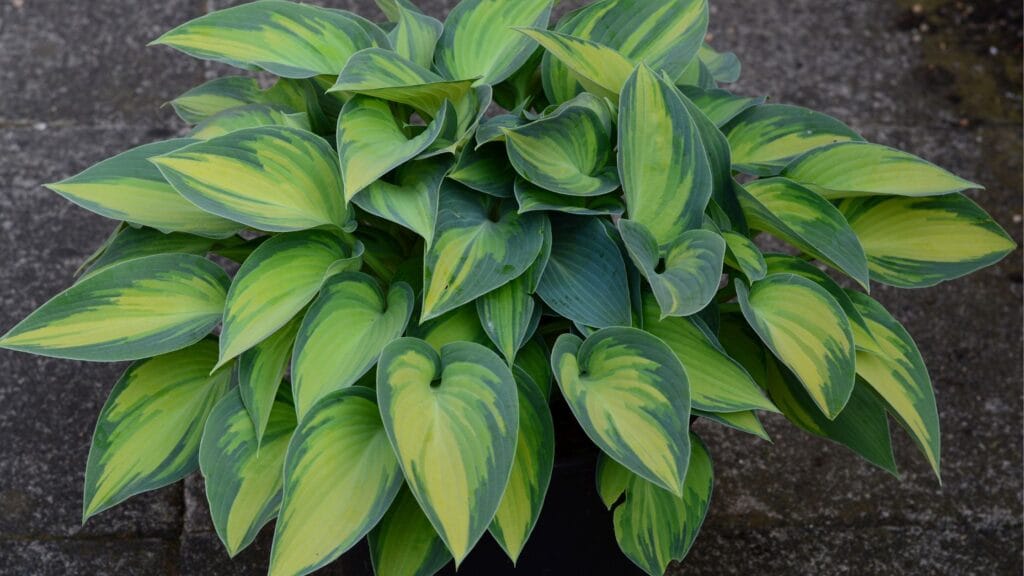
Hostas are perennial plants that grow best in cooler climates. Their large, broad leaves come in shades of green, blue, and variegated patterns, making them an attractive ground cover. While they are shade-tolerant, the placement of hostas in your garden plays a major role in their overall health and beauty.
Best Sunlight Conditions for Hostas
Partial to Full Shade:
Most hosta varieties prefer morning sun and afternoon shade. Too much direct sun can cause leaf burn, especially in hotter regions.
Filtered Sunlight:
Planting them under tall trees or near fences, where they receive dappled light, ensures strong growth.
Sun-Tolerant Hostas:
Some varieties, such as ‘Sum and Substance’ or ‘Golden Tiara,’ tolerate more sun if given sufficient water.
Best Soil for Hostas
Moist, Well-Drained Soil:
Hostas love soil that retains moisture but doesn’t become waterlogged.
Rich Organic Matter:
Adding compost or leaf mould helps improve fertility and drainage.
pH Preference:
A slightly acidic to neutral soil (pH 6.5–7.5) is ideal for hostas.
Also Read: 7 Easy Plants You Can Grow Without Worry
Best Locations in Your Garden to Plant Hostas
Under Trees and Shrubs:
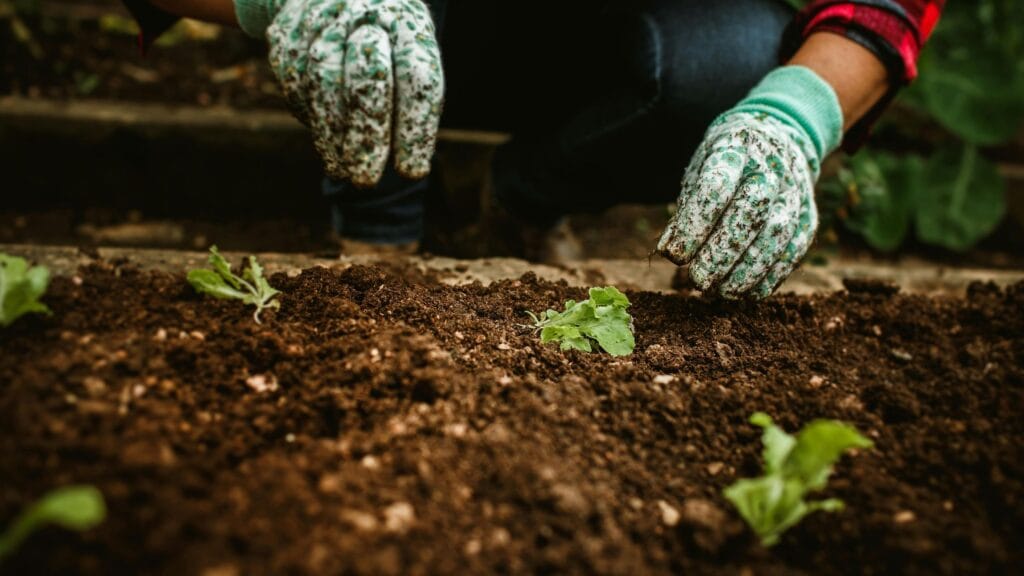
Hostas thrive in shady spots beneath deciduous trees where they get filtered sunlight. They pair beautifully with ferns, astilbes, and shade perennials.
Along Garden Borders:
Planting hostas along walkways, borders, and pathways provides a lush, natural look while softening edges.
Around Ponds and Water Features:
The moisture-loving nature of hostas makes them a perfect companion for water gardens and shady pond edges.
Shady Corners of the Garden:
If you have a dull, bare corner in your yard, hostas can transform it into a lush focal point.
In Containers and Pots:
Hostas also do well in containers, making them suitable for patios, porches, and small gardens. Just ensure proper watering and drainage.
Also Read: Jasmine Fragrance In Nature’s Sweetest Perfume:
Watering and Care Tips for Best Results
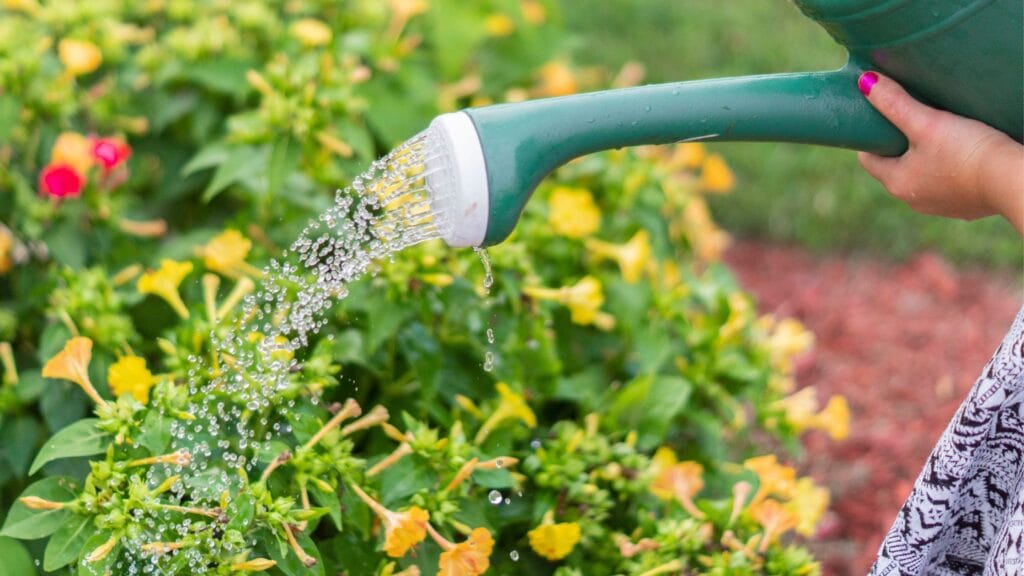
Water deeply once or twice a week to keep soil consistently moist.
Mulch around hostas to retain soil moisture and prevent weeds.
Protect plants from slugs and snails, which are common pests.
Divide clumps every 3–4 years to encourage healthy growth.
Benefits of Planting Hostas in the Right Spot
Creates lush greenery and texture in shaded gardens.
Low maintenance once established.
Provides seasonal interest with flowers in summer.
Attracts pollinators like bees and hummingbirds.
Also Read:How Often Should You Water a Cherry Tree (4)
FAQs on Planting Hostas
Q1: Can hostas grow in full sun?
Some varieties can, but most prefer partial or full shade. Too much sun can scorch leaves.
Q2: Do hostas need a lot of water?
Yes, hostas prefer consistently moist soil, especially in summer.
Q3: Can I grow hostas indoors?
While hostas are mainly outdoor perennials, they can be grown in pots and kept indoors for short periods with proper care.
Final Thoughts
Hostas are among the easiest and most rewarding perennials for gardeners. For the best results, plant them in shady to partially sunny spots, in rich, well-drained soil, and ensure they receive consistent moisture. Whether under trees, along borders, or in containers, hostas will bring lasting beauty to your garden year after year.