India’s Unexpected Rise in Dragon Fruit Production.
India’s Global Rise: From Economic Powerhouse to Dragon Fruit Pioneer.
India is undergoing a remarkable transformation, steadily climbing global rankings across sectors—from economy and innovation to agriculture and exports.
Once seen primarily as a developing nation, India is now asserting itself as a dynamic force in the global arena. Among its many emerging strengths, one unexpected area stands out: dragon fruit production.
This article explores how India is rising in both traditional metrics of global power and niche sectors like exotic fruit cultivation.
Unexpected Rise in Dragon Fruit Production: India.
A blend of economic growth, demographic advantage, technological innovation, and strategic diplomacy drives India’s ascent. As of 2025, India is the 5th largest economy in the world, with a GDP exceeding $4.2 trillion. Its influence is expanding not just in finance, but also in defence, science, and global trade in Agriculture.
India’s Unexpected Rise in Dragon Fruit Production
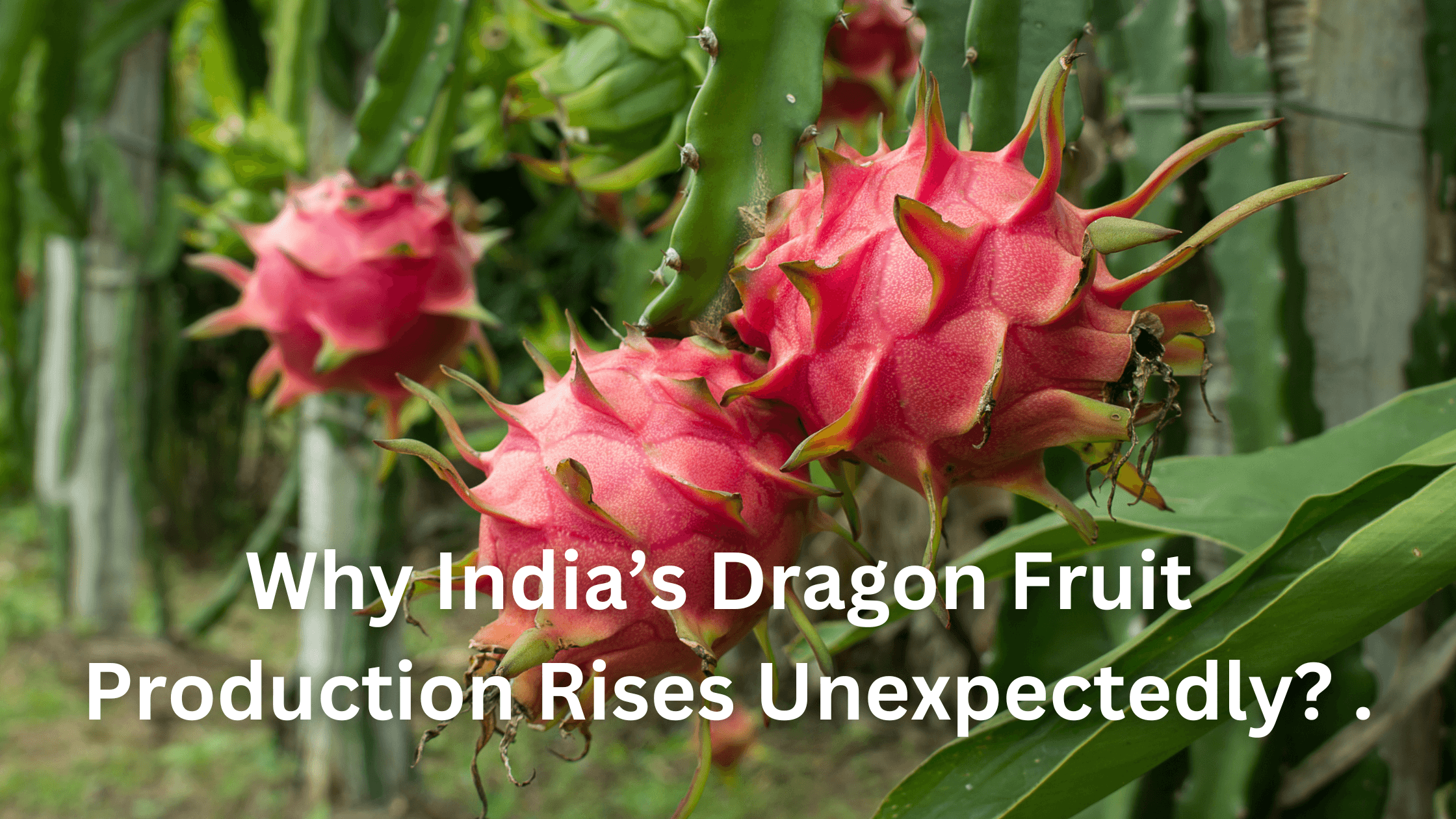
While India’s global emergence is often discussed in terms of tech and trade, its agricultural innovation is equally impressive. One surprising example is its growing prominence in dragon fruit production—a niche but high-value crop traditionally dominated by Vietnam and Thailand.
Why Dragon Fruit?
Dragon fruit, also known as pitaya, is a tropical fruit rich in antioxidants, fibre, and vitamin C. It’s considered a superfood and has gained popularity among health-conscious consumers worldwide. With rising domestic demand and export potential, India has embraced dragon fruit cultivation as a strategic agricultural opportunity.
Expansion of Cultivation
States like Gujarat, Maharashtra, Karnataka, West Bengal, and Tripura have seen a surge in dragon fruit farming. The Indian government has actively promoted the crop through subsidies, training programs, and research initiatives. Farmers are adopting modern techniques like drip irrigation, vertical farming, and climate-resilient varieties, making the crop more viable and profitable.
Domestic Demand & Export Growth
India’s urban population is increasingly turning to exotic fruits, and dragon fruit fits the bill perfectly. The country’s exports reached $35 million in 2024, with key markets including the UAE, Bangladesh, and the UK. India now ranks 6th globally in dragon fruit exports—a remarkable feat given its recent entry into the market.
Research & Innovation
Agricultural universities and the Indian Council of Agricultural Research (ICAR) are driving innovation in dragon fruit farming. High-yield varieties and sustainable practices are being developed to improve productivity and reduce environmental impact.
Global Dragon Fruit Export Rankings (2024)
| Rank | Country | Export Value (USD) | Global Share | Major Partners |
|---|---|---|---|---|
| 1 | Vietnam | $600 million | 85% | China, India, EU, USA |
| 2 | China | $221 million | 5% | Vietnam, Hong Kong |
| 3 | Thailand | $200 million | 4.5% | China, Japan, USA |
| 4 | Ecuador | $172 million | 3.2% | USA, EU |
| 5 | Israel | $50 million | 1.6% | EU, UK |
| 6 | India | $35 million | 1.2% | UAE, Bangladesh, UK |
India’s rise in dragon fruit production reflects its broader agricultural transformation—moving from subsistence farming to high-value, export-oriented cultivation.
The Bigger Picture
India’s emergence in dragon fruit production is symbolic of its larger journey: a country that’s not just growing, but diversifying, innovating, and leading. Whether it’s dominating ICT exports, climbing innovation indexes, or cultivating exotic fruits, India is rewriting its global narrative.
This transformation is powered by:
- Visionary policy and government support
- Entrepreneurial spirit among farmers and businesses
- Strategic global engagement across sectors
India’s rise is no longer a future possibility—it’s a present reality. And as it continues to climb the ranks, the world is watching with growing respect and curiosity.