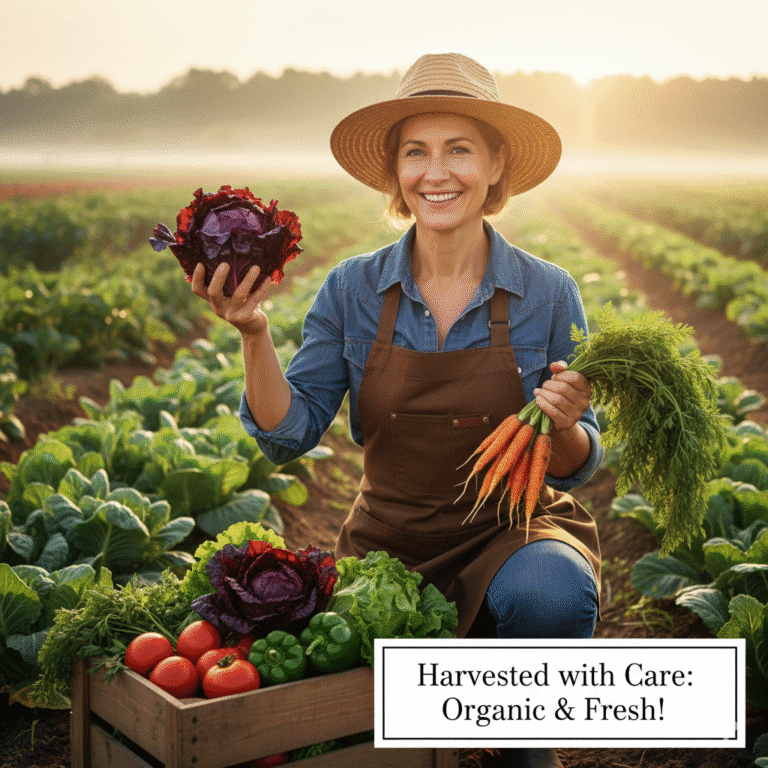
Your Seasonal Planting Guide and best practice for a Thriving garden
There’s something incredibly satisfying about getting your hands dirty and watching life unfurl from a tiny seed. Whether you’re a seasoned green thumb or just starting your gardening journey, understanding seasonal planting is key to a thriving garden. Forget the one-size-fits-all approach – nature works in cycles, and so should we!
This guide will walk you through the best practices for each seasonal planting, helping you maximize your harvest, enjoy continuous blooms, and keep your garden happy all year round.
Spring: A Season of New Beginnings
Ah, spring! The air is fresh, the birds are singing, and the earth is waking up. This is prime time for seasonal planting and preparing for the abundant months ahead.
What to Plant: For optimal results in spring, consider seasonal planting options.
- Cool-Season Vegetables: Think crisp lettuces, spinach, kale, peas, radishes, carrots, and broccoli. These thrive in cooler temperatures and can often be succession planted for continuous harvests.
- Hardy Annuals: Pansies, violas, snapdragons, and calendula can withstand a touch of frost and will add early color to your garden.
- Perennials: Early spring is an excellent time to plant many perennials, giving them time to establish their root systems before the heat of summer. Think hostas, daylilies, and coneflowers.
- Fruit Trees & Shrubs: Many bare-root fruit trees and berry bushes are best planted in early spring.
Best Practices:
- Soil Preparation: If you haven’t recently, have your soil tested. Amend with compost and organic matter to improve drainage and fertility. A Guide to Soil Health Management
- Start Indoors: Many warm-season vegetables (tomatoes, peppers, eggplant) benefit from being started indoors 6-8 weeks before your last frost date.
- Harden Off Seedlings: Don’t just plop your indoor seedlings straight into the garden! Gradually expose them to outdoor conditions over 7-10 days to prevent shock.
- Weed Control: Tackle weeds early before they compete with your young plants.
- Mulch: Once plants are established, a layer of mulch will help retain moisture and suppress weeds.
Summer: The Season of Abundance
Summer is when your garden really hits its stride! Long sunny days and warm temperatures mean rapid growth and bountiful harvests.
What to Plant: For optimal results in summer, consider seasonal planting options.
- Warm-Season Vegetables: Tomatoes, peppers, cucumbers, squash, beans, corn, and eggplant will all flourish now.
- Heat-Loving Annuals: Petunias, marigolds, zinnias, cosmos, and sunflowers will add vibrant color throughout the summer.
- Herbs: Basil, cilantro (for early summer before it bolts), thyme, rosemary, and oregano love the summer warmth.
Best Practices: For seasonal planting
- Watering: Consistent watering is crucial, especially during dry spells. Water deeply in the early morning to minimize evaporation. Drip irrigation or soaker hoses are excellent for efficient watering.
- Fertilizing: As plants are actively growing and producing, they’ll appreciate a boost of balanced fertilizer.
- Pest & Disease Management: Keep a watchful eye for pests and diseases. Early detection and intervention are key. Consider organic pest control methods.
- Harvest Regularly: Harvesting vegetables and cutting flowers frequently encourages more production. Don’t let ripe produce sit too long!
- Succession Planting: For crops like beans, lettuce, and radishes, plant small batches every 2-3 weeks to ensure a continuous supply.