How to Grow Arbi Plant at Home – A Complete Guide from Planting to Harvest
If you love the earthy, nutty flavor of Arbi (also known as Taro or Colocasia), why not try growing it at home? Arbi is a tropical root vegetable that’s popular in Indian kitchens for its delicious taste and health benefits. The best part is that it’s quite easy to grow, even in a small garden or large container. With the right soil, moisture, and care, you can harvest plenty of fresh, organic Arbi right from your backyard or balcony.
Let’s walk through everything you need to know — from planting to harvesting — in this complete guide for How to Grow Arbi Plant.
Table of Contents
Also read Anthurium Care and Growing Guide: How to Keep This Tropical Beauty Thriving
Understanding the Arbi Plant
Arbi (Colocasia esculenta) is a tropical plant grown mainly for its edible underground corms (roots) and sometimes its large, heart-shaped leaves. It belongs to the taro family and thrives in warm, humid climates. The plant can grow up to 3–4 feet tall with lush green leaves that resemble elephant ears.
There are two main types:
- Eddoe (small corms) – Common in India, with dry and starchy flesh.
- Dasheen (large corms) – Found in tropical regions, with a smoother texture and slightly sweeter taste.
Benefits of Growing Arbi at Home
Before diving into the process, here are a few reasons why you should grow Arbi at home:
- It’s rich in fiber, potassium, and vitamins C and E.
- The plant adds a tropical feel to your garden.
- Home-grown Arbi is free from harmful chemicals.
- Both the leaves and roots are edible when cooked properly.
Ideal Growing Conditions
Arbi loves warmth and moisture. It’s best suited for regions with temperatures between 25°C and 35°C. The plant can grow year-round in tropical areas but performs best when planted in early summer and harvested before winter.
Sunlight: Partial shade to full sunlight. Around 4–6 hours of sunlight a day is ideal.
Temperature: It thrives in warm conditions but should be protected from frost or extremely cold winds.
Soil Type: Rich, loose, and well-drained soil is essential. Loamy soil enriched with organic compost works best.
Watering: Arbi requires consistently moist soil but not waterlogged conditions.
Step-by-Step Guide to Growing Arbi at Home
1. Choosing the Planting Material
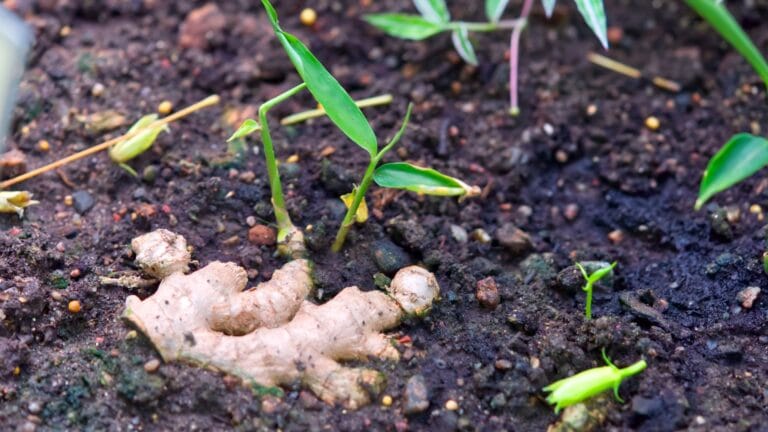
Instead of seeds, Arbi is grown from small tubers or corms — the underground parts of the plant. You can buy these from a local nursery or save some from fresh Arbi you buy at the market.

Tip: Choose firm, healthy corms with small buds or “eyes” on them. Avoid soft or shriveled ones.
2. Preparing the Soil
Arbi roots grow underground, so the soil needs to be loose and rich in nutrients.
- Mix garden soil, compost, and coco peat or sand in equal parts.
- Add a handful of organic manure or vermicompost for better root development.
- Make sure your pot or garden bed has good drainage to prevent root rot.
If you’re planting in a container, choose one that’s at least 12–15 inches deep.
3. Planting the Corms
Planting Arbi is simple.
- Dig small holes around 3–4 inches deep.
- Place each corm with the bud facing upward.
- Keep a distance of 10–12 inches between plants if you’re planting multiple corms.
- Cover with soil and water gently.
In about 10–15 days, you’ll see small green shoots emerging from the soil.
4. Watering and Moisture Care
Arbi plants love moisture, but too much water can rot the corms.
- Keep the soil consistently damp but not soggy.
- Water every 2–3 days or whenever the top layer feels dry.
- During hot days, you may need to water daily.
- Mulching around the plants with dried leaves or straw helps retain soil moisture.
5. Fertilizing
For healthy growth, feed your Arbi plant with natural fertilizers.
- After 3–4 weeks of planting, add compost or liquid organic fertilizer.
- Repeat feeding every 20–25 days during the growing season.
- Avoid chemical fertilizers, especially if you’re growing it for home consumption.
6. Managing Pests and Diseases
While Arbi is quite hardy, a few pests like aphids, leafhoppers, and mites can occasionally attack the plant.
Natural Remedies:
- Spray neem oil solution once a week as a preventive measure.
- Keep the area clean and remove any yellowing leaves.
- Avoid overwatering to prevent fungal infections and root rot.
7. Growth and Maintenance
Arbi plants grow fast in warm conditions. Within 2–3 months, you’ll see large, lush leaves. These can be harvested occasionally for cooking, but remember to leave enough for the plant to continue photosynthesis and feed the roots.
Keep an eye on weeds and gently loosen the soil around the plant every few weeks to allow air circulation around the roots.
8. Harvesting Arbi
Arbi takes about 5 to 6 months to mature after planting.

Signs your Arbi is ready to harvest:
- The leaves start yellowing and drying up naturally.
- The soil around the base cracks slightly.
To harvest:
- Loosen the soil gently with a small spade or garden fork.
- Pull out the whole plant carefully without damaging the corms.
- Shake off excess soil and let the corms dry in shade for a few hours.
You can store them in a cool, dry place for a few weeks.
Bonus: Growing Arbi in Containers or Buckets
If you don’t have garden space, you can easily grow Arbi in large containers or plastic tubs.
- Use a 15–20 liter pot with drainage holes.
- Follow the same soil mix and planting process.
- Keep the pot in a semi-shaded area with indirect sunlight.
- Water regularly and feed with compost every few weeks.
Container-grown Arbi tends to produce slightly smaller corms but is just as tasty and healthy.
Health Benefits of Arbi
Home-grown Arbi isn’t just delicious—it’s also loaded with nutrition.
- Rich in fiber: Helps with digestion and gut health.
- Low in calories: A good option for weight-conscious eaters.
- Potassium and magnesium: Support heart health and blood pressure.
- Vitamin C and antioxidants: Strengthen immunity and skin health.
- Good for diabetic diets: Has a low glycemic index, making it safe in moderation.
Common Mistakes to Avoid
- Overwatering: Causes root rot quickly.
- Too much sun: Can burn the leaves; partial shade is better.
- Poor drainage: Leads to fungal diseases.
- Harvesting too early: Wait until leaves dry out for full-sized corms.
Final Thoughts
Growing Arbi at home is a rewarding experience. The plant not only adds a touch of tropical greenery to your garden but also provides nutritious, home-grown roots for your meals. With just a bit of patience, regular watering, and proper soil care, you’ll have your own fresh Arbi ready for the kitchen.
Also follow How To Grow Arbi Plant At Home