Have you thought about turmeric farming and its benefits?
Turmeric, often called the “golden spice,” is more than just a kitchen ingredient. It has been a part of traditional medicine, cultural rituals, and commercial farming for centuries. With rising demand for natural health products and spices worldwide, turmeric farming has become both profitable and sustainable for farmers.
Ideal Conditions for Turmeric Farming
Here are the key requirements for healthy cultivation.
Climate
Requires a temperature of 20–30°C and plenty of rainfall.
Soil
Well-drained loamy or sandy soil rich in organic matter is best. The soil pH should be slightly acidic, ranging from 4.5 to 7.5. Good drainage is crucial to prevent waterlogging, which can damage the rhizomes.
Planting
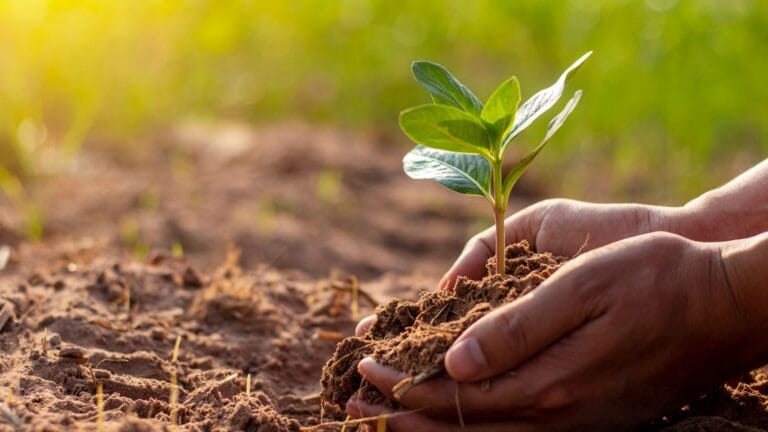
Turmeric is grown from rhizomes (underground stems). Planting usually happens with the onset of the monsoon.
Harvesting
After 7–9 months, the plants turn yellow and dry, signaling it’s time to harvest. Rhizomes are then boiled, dried, and polished before being sold in the market. Following harvest, the rhizomes are cleaned and divided into fingers and mother rhizomes. Curing is necessary to improve the rhizomes’ color and guarantee proper drying.

Cultivation and Maintenance
Mulching: Immediately after planting, mulch the crop with green leaves or sugarcane trash.
Weeding: Weeding should be done regularly to prevent competition from weeds.
Fertilization: Apply a basal dose of organic manure during land preparation. The application of chemical fertilizers, such as nitrogen, phosphorus, and potassium, can be done in split doses throughout the growing season.
Do follow Ideal Conditions for Turmeric Cultivation in India
Benefits of Turmeric Farming
1. Economic Value: Turmeric has high demand in domestic and international markets. Farmers can earn profits by selling fresh rhizomes, dried turmeric, or value-added products like turmeric powder and turmeric oil.
2. Health Benefits of Turmeric : Turmeric is rich in curcumin, a compound known for its anti-inflammatory, antioxidant, and immunity-boosting properties. It is used in traditional medicine, skincare, and modern health supplements.
3. Cultural and Culinary Importance : From Indian curries to global health drinks like turmeric latte (golden milk), this spice is an essential ingredient in kitchens worldwide.
4. Sustainable Farming Option: Turmeric farming requires fewer chemical inputs compared to many other cash crops.
Also, read a Full Overview of Growing Chilli Plants