How to Grow Peach Trees in Your Garden: A Complete Guide
Few things compare to biting into a juicy, sun-ripened peach picked straight from your own garden. Growing peach trees may sound challenging, but with the right care and patience, it can be a rewarding experience. Whether you’re planting in your backyard or a large pot, peach trees can thrive beautifully with a little attention and the right growing conditions.
Understanding the Peach Trees
Peach trees (Prunus persica) belong to the rose family and are native to China. They’re known for their fragrant blossoms and sweet fruits that ripen in summer. Peaches grow best in temperate climates where winters are cool enough for dormancy but not harsh enough to damage the tree.
If you live in an area with mild winters and warm summers, peaches can be a great addition to your garden. Even in colder regions, certain hardy varieties can survive with proper protection.
Table of Contents
Don't miss How to Grow a Jamun Tree in Your Garden: Step-by-Step Guide to Planting, Care, and Harvesting
Choosing the Right Variety
Selecting the right type of peach is the first step toward success. Some popular varieties include:
- ‘Elberta’ – Large, juicy, and great for canning or eating fresh.
- ‘Redhaven’ – Cold-hardy, early ripening, and perfect for home gardens.
- ‘Golden Jubilee’ – Produces sweet, flavorful fruit with a yellow flesh.
- ‘Bonanza’ – A dwarf variety suitable for pots or small spaces.
If you live in a colder area, go for cold-hardy types like ‘Reliance’ or ‘Contender.’
Best Climate and Soil Conditions
Peach trees need full sunlight—at least 6–8 hours a day—to produce healthy fruits. They prefer slightly acidic to neutral soil (pH 6.0–7.0) that drains well. Avoid planting them in clay-heavy or waterlogged soil, as peaches dislike “wet feet.”
If your soil is heavy, consider planting your tree in a raised bed or container filled with loamy, well-draining soil mixed with compost.
How to Plant a Peach Tree
1. Choose the Right Spot:
Pick a sunny, open location with good air circulation. Avoid planting too close to other trees or structures that might shade your peach tree.
2. Prepare the Soil:
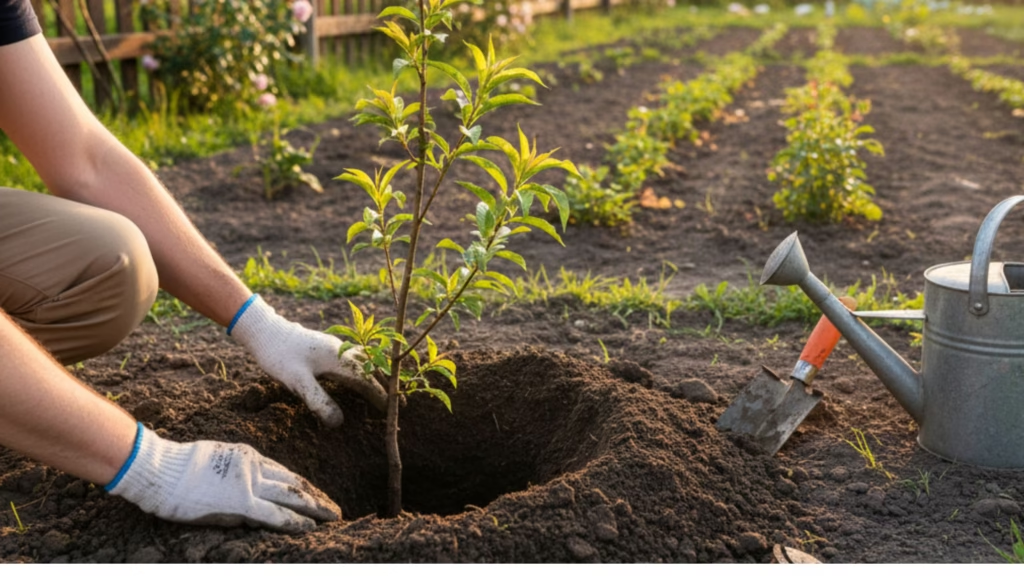
Before planting, dig a hole twice as wide and just as deep as the root ball. Mix in organic compost or well-rotted manure to enrich the soil.
3. Planting Time:
The best time to plant a peach tree is during late winter or early spring, when the tree is still dormant.
4. Planting Steps:
- Gently remove the tree from its container or unwrap bare-root trees.
- Place the tree in the hole so the root collar (where the roots meet the trunk) is at ground level.
- Backfill with soil and firm it gently to remove air pockets.
- Water deeply right after planting.
Watering and Feeding
Peach trees need consistent moisture, especially during their growing season. Water deeply once or twice a week, ensuring the soil stays moist but not soggy.
In spring, apply a balanced fertilizer (10-10-10 NPK) around the base of the tree. As the tree matures, feed it once in early spring and again in mid-summer. Avoid over-fertilizing, as too much nitrogen can lead to leafy growth instead of fruit.
Pruning for Shape and Health
Pruning is essential to maintain a strong structure and encourage fruit production. The best time to prune peach trees is in late winter or early spring before new growth starts.
Pruning tips:
- Remove dead, diseased, or crossing branches.
- Shape the tree into an open “vase” form to allow sunlight into the center.
- Thin out small or crowded shoots to improve airflow.
Regular pruning also helps prevent fungal diseases and makes harvesting easier.
Pollinatio
Most peach trees are self-pollinating, meaning a single tree can produce fruit on its own. However, planting two or more varieties nearby can increase yield and fruit quality. Bees and other pollinators play an important role, so avoid using harmful pesticides during bloom season.
Protecting from Pests and Diseases
Peach trees can sometimes attract pests like aphids, fruit borers, and mites. Common diseases include peach leaf curl, brown rot, and powdery mildew.
Tips for protection:
- Spray neem oil or an organic insecticidal soap during early growth stages.
- Remove fallen leaves and fruit to prevent fungal spores from spreading.
- Use copper-based fungicides before bud break to prevent leaf curl.
- Keep the area around the tree clean and weed-free.
Healthy trees grown in well-drained soil with enough sunlight are naturally more resistant to problems.
Thinning the Fruits
After flowering, peach trees often produce more fruits than they can handle. Too many fruits can lead to small, underdeveloped peaches and strain the branches.
When fruits are about the size of a marble, thin them out, leaving about 5–6 inches between each peach. This allows the remaining fruits to grow larger and sweeter.
Harvesting Peaches
Peaches are usually ready to harvest in mid to late summer, depending on the variety. You’ll know they’re ripe when:
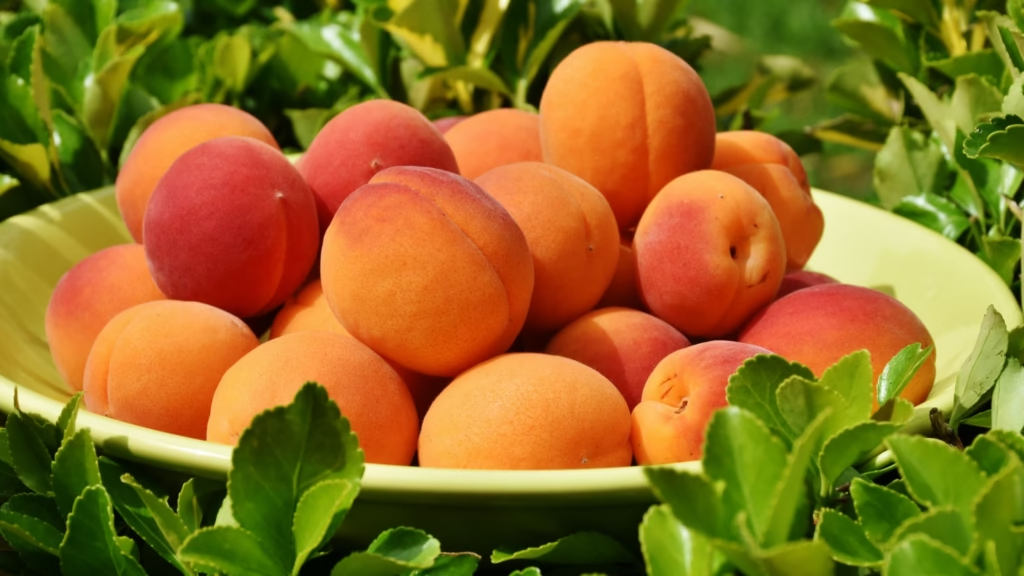
- The skin has turned from green to yellow-orange with a reddish blush.
- They give slightly when gently pressed.
- They emit a sweet, fruity fragrance.
To harvest, gently twist or lift the fruit from the branch. Handle them carefully to avoid bruising. Fresh peaches can be stored in the refrigerator for up to a week or canned for longer preservation.
Growing Peaches in Containers
If you don’t have garden space, you can still grow peaches in containers. Choose a dwarf variety and a large pot (at least 18–20 inches wide).
Use well-draining potting soil mixed with compost. Place the container in a sunny spot, and water regularly. Repot every 2–3 years to refresh the soil and check root health.
Winter Care
In regions with cold winters, protect young peach trees from frost by wrapping the trunk with burlap or tree guards. Mulching around the base helps insulate the roots. Avoid heavy pruning or fertilizing late in the season, as this can encourage tender new growth that may not survive the cold.
Enjoying the Rewards
Growing a peach tree is more than just about the fruit—it’s about the beauty it adds to your garden and the satisfaction of nurturing something from blossom to harvest. The sweet scent of peach flowers in spring and the juicy fruits in summer make the effort worthwhile.
With patience, care, and attention to detail, your peach tree will reward you for years with delicious, homegrown peaches that taste far better than anything from a store.
Also follow How to Grow a Peach Tree for Delicious, Juicy Fruit Every Year