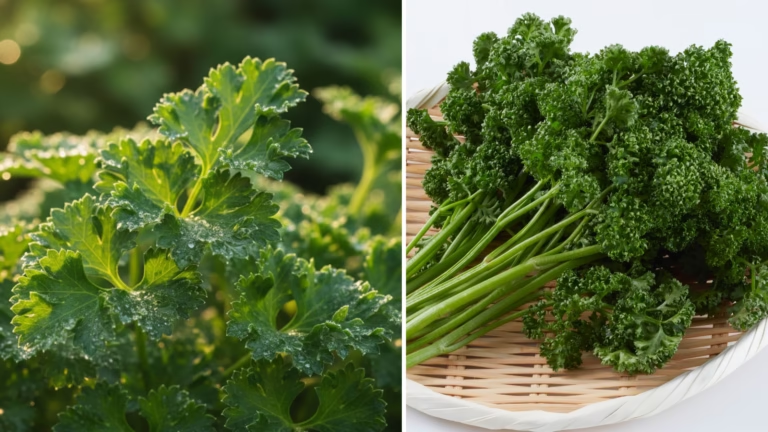
How to Grow Kale Indoors in Winter
A Complete Guide for How to Grow Kale Indoors for Winter Salads
Kale is one of those leafy greens that feels almost too good to be true. It’s packed with vitamins, grows quickly, and doesn’t demand too much attention. But when winter arrives and outdoor gardens slow down, most people assume their fresh kale days are over. The good news? You can grow kale indoors in winter just as successfully, and you don’t even need a large space or fancy equipment. A sunny window, a container, and a bit of care are enough to keep you supplied with crisp, homegrown kale all winter long.
Also follow How to Plant Bougainvillea: Paper flower
Why Grow Kale Indoors in Winter?
There are a few solid reasons:
- Fresh greens when everything outside is frozen
- Free from pesticides and chemicals
- Budget-friendly—no more buying expensive bunches
- Takes very little space (even a balcony corner or kitchen window works)
Unlike some delicate greens, kale is naturally cold-hardy, so it adapts well to cooler indoor temperatures. Plus, the more you harvest, the more it grows back. It’s a win-win.
Pick the Right Kale Variety

Not all kale varieties behave the same indoors. For winter indoor growing, pick compact and fast-growing types
Recommended varieties:
- Dwarf Blue Curled Kale – Perfect for pots, grows dense and leafy
- Red Russian Kale – Tender leaves and attractive reddish-purple veins
- Lacinato (Dinosaur) Kale – Long narrow leaves, ideal for regular harvesting
- Dwarf Siberian Kale – Thrives in cool temperatures and small containers
Tip: If space is limited, always look for “dwarf” or “container-friendly” tags on seed packets.
Choosing the Right Container
Kale has a moderately deep root system, so avoid shallow trays used for microgreens. A container at least 8–10 inches deep with drainage holes works best.
- Use plastic, ceramic, or fabric grow bags
- Ensure good drainage—kale hates waterlogged soil
- Place a tray under the pot to catch extra water and avoid mess in your indoor space
The Ideal Soil Mix
A light, well-draining soil mix is key. Kale likes soil that holds moisture but doesn’t stay soggy.
Best indoor kale soil mix recipe:
- 40% garden soil or potting soil
- 40% compost or well-rotted organic manure
- 20% coco peat or perlite (for good drainage)
Mix well before filling your pot. If using store-bought potting mix, choose one designed for vegetables or leafy greens.
Planting Kale Seeds Indoors
You can start with seeds or buy young nursery plants. Starting with seeds is cheaper and just as easy.
Steps to sow seeds:
- Fill your container, leaving about an inch free at the top.
- Sprinkle seeds lightly—don’t overcrowd.
- Cover with a very thin layer of soil (¼ inch).
- Spray with water instead of pouring to avoid soil displacement.
- Place the pot where it gets good light and warmth.
- Seeds will germinate in 5–10 days.
Once seedlings grow 2–3 inches tall, thin them out gently. Keep one healthy plant per pot if using individual containers, or space plants 6 inches apart in wider planters.
Light Requirements – The Most Important Part
Winter days are short, and sunlight is weaker. Kale needs at least 5–6 hours of direct light.
Light options indoors:
- South-facing window – Best natural sunlight
- Grow light or LED lamp – Keep it 6–10 inches above plants
- Run grow lights for 10–12 hours daily
Without proper light, kale becomes leggy and weak. If you notice stretched stems and pale leaves, increase light immediately.
Watering Kale Indoors
Indoor air during winter is often dry due to heaters. Kale likes consistently moist (not wet) soil.
- Check soil with your finger – If the top inch feels dry, it’s time to water
- Use a spray bottle or gentle pour, avoiding water on leaves
- Avoid overwatering—roots should never sit in standing water
Bonus tip: Lightly misting the leaves occasionally helps keep humidity balanced.
Feeding Your Indoor Kale
Because pots have limited nutrients, a little feeding goes a long way.
- Apply a liquid fertilizer or organic seaweed solution once every 2–3 weeks
- If using compost-rich soil, feeding once a month is enough
- Avoid overfeeding—too much nitrogen makes leaves bitter
Temperature and Indoor Placement
Kale tolerates cold but doesn’t like sudden temperature changes.
- Ideal indoor growing temperature: 10°C to 20°C (50°F to 68°F)
- Keep away from heating vents, cold drafts, or direct AC blasts
- Place near a bright window but protect from frosty glass contact
If your home is very dry due to heaters, place a bowl of water nearby to maintain humidity.
Harvesting Kale Indoors
The fun part starts about 45–60 days after sowing.
How to harvest properly:
- Use clean scissors
- Always pick lower, outer leaves first
- Leave the central growing tip intact—it helps the plant continue producing new leaves
- Harvest regularly to encourage fresh growth
A single healthy kale plant can keep giving leaves for 4–6 months indoors.
Common Indoor Growing Problems and Fixes
| Problem | Cause | Solution |
|---|---|---|
| Pale leaves | Low light or nutrient deficiency | Add grow light or feed lightly |
| Leggy growth | Not enough sunlight | Move to brighter spot or use artificial lights |
| Yellowing leaves | Overwatering | Let soil dry slightly before watering |
| Dry leaf edges | Low humidity | Mist leaves or place water dish nearby |
Last Tips for Growing kale indoors in winter
- Rotate pots occasionally for even light exposure
- Prune weak leaves to direct energy to healthy growth
- Keep an eye on pests like aphids or whiteflies—wiping leaves with mild soapy water helps
Enjoy Fresh Kale All Winter
Growing kale indoors in winter isn’t just practical—it’s rewarding. Seeing those deep green leaves thriving on your windowsill adds a fresh touch to cold, dull days. With a little light, regular watering, and occasional feeding, you’ll have a continuous supply of nutrient-rich leaves right inside your home.