5 Vegetables for Fall That Succeed in Cooler Climates
5 Vegetables for Fall
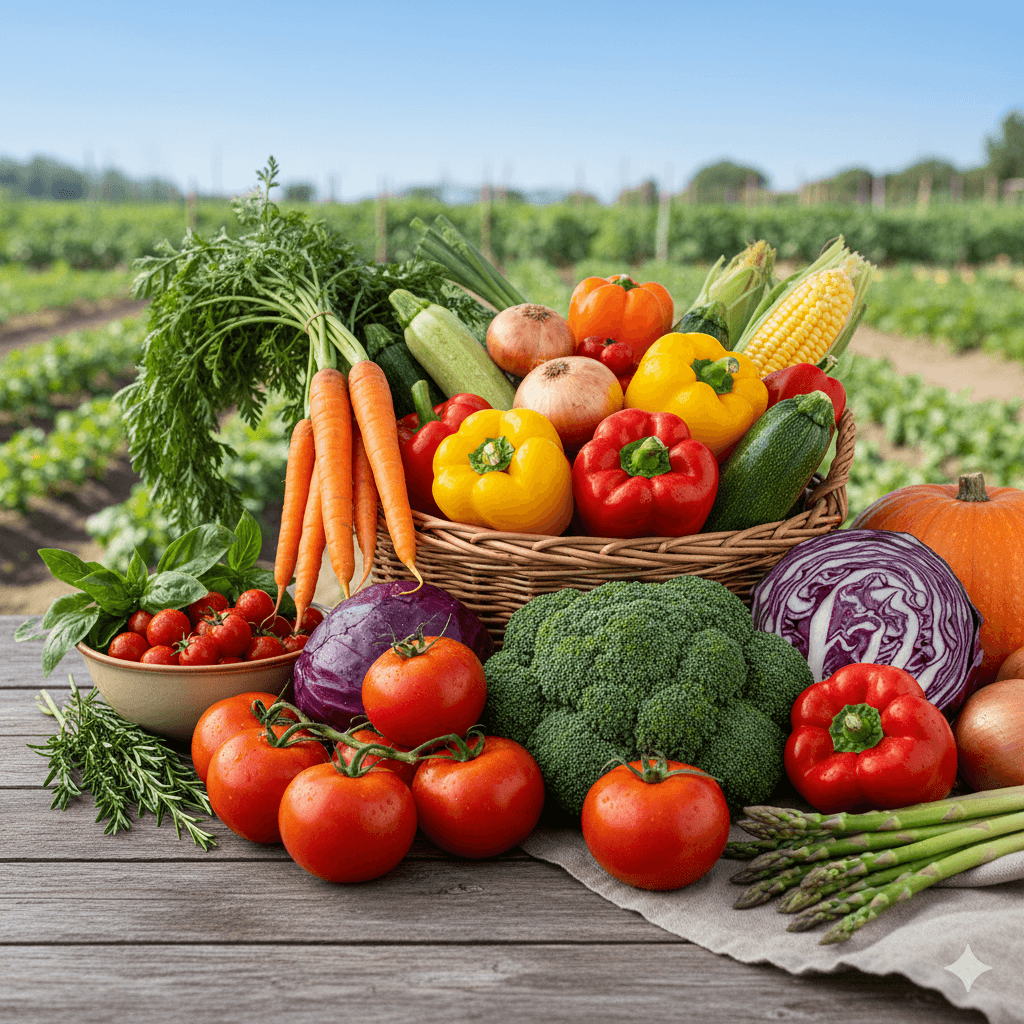
When the days get shorter and the air turns crisp, most people assume gardening season is over. But fall is actually one of the best times to grow certain vegetables. Cooler weather is ideal for many plants, and some even taste better after a light frost. Whether you’re a seasoned gardener or just getting started, fall crops are low-maintenance, fast-growing, and packed with flavor and nutrition.
Here are five vegetables that thrive in cooler temperatures and will keep your garden producing fresh food well into the season.
1. Spinach – Sweet and Tender in Cool Weather
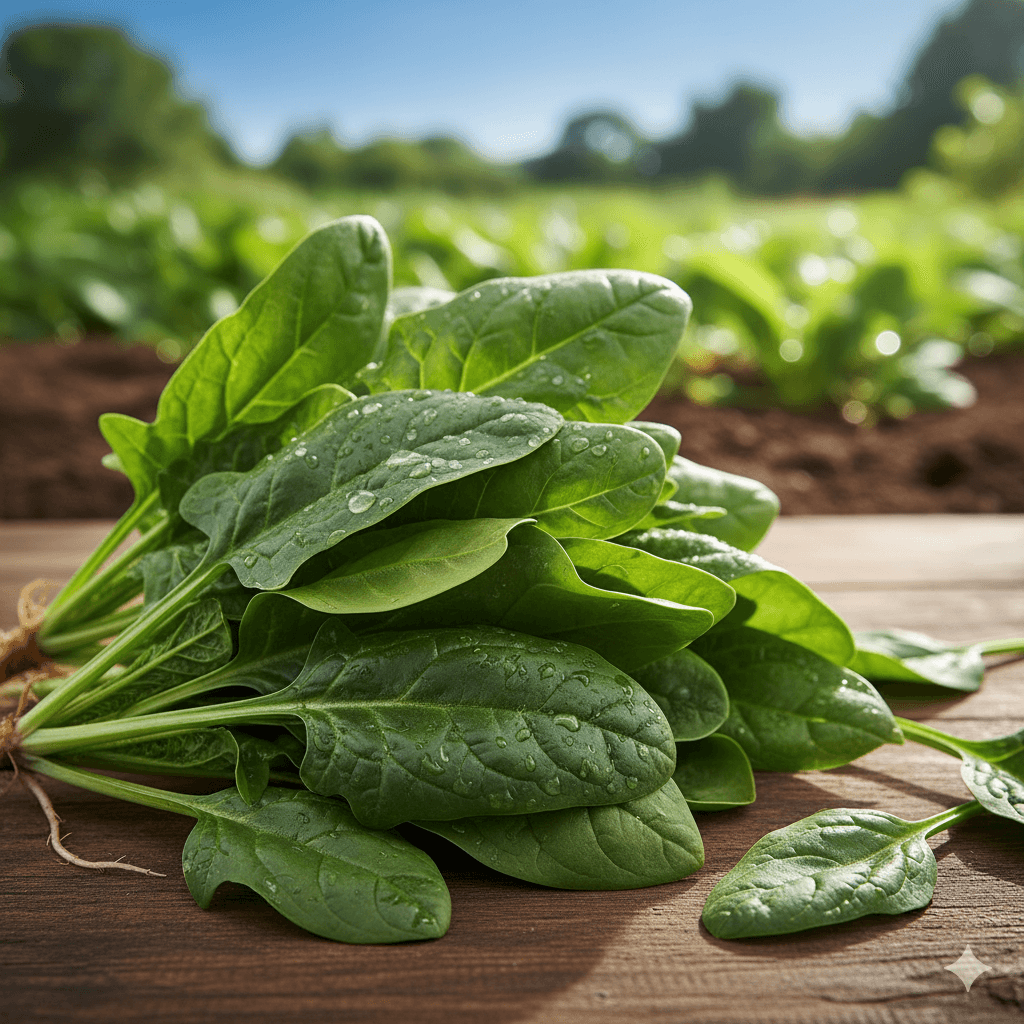
Spinach is one of the most dependable fall crops. It loves cool weather and actually becomes sweeter when temperatures drop. This leafy green grows quickly, tolerates light frosts, and is packed with vitamins A, C, and K.
How to grow:
Sow seeds directly in the soil 4–6 weeks before the first frost.
Keep the soil moist and well-drained.
Harvest the outer leaves first to encourage continuous growth.
Pro tip: A quick cold snap can make spinach taste even better, so don’t worry if the nights get chilly.
2. Carrots – Sweeter After a Frost
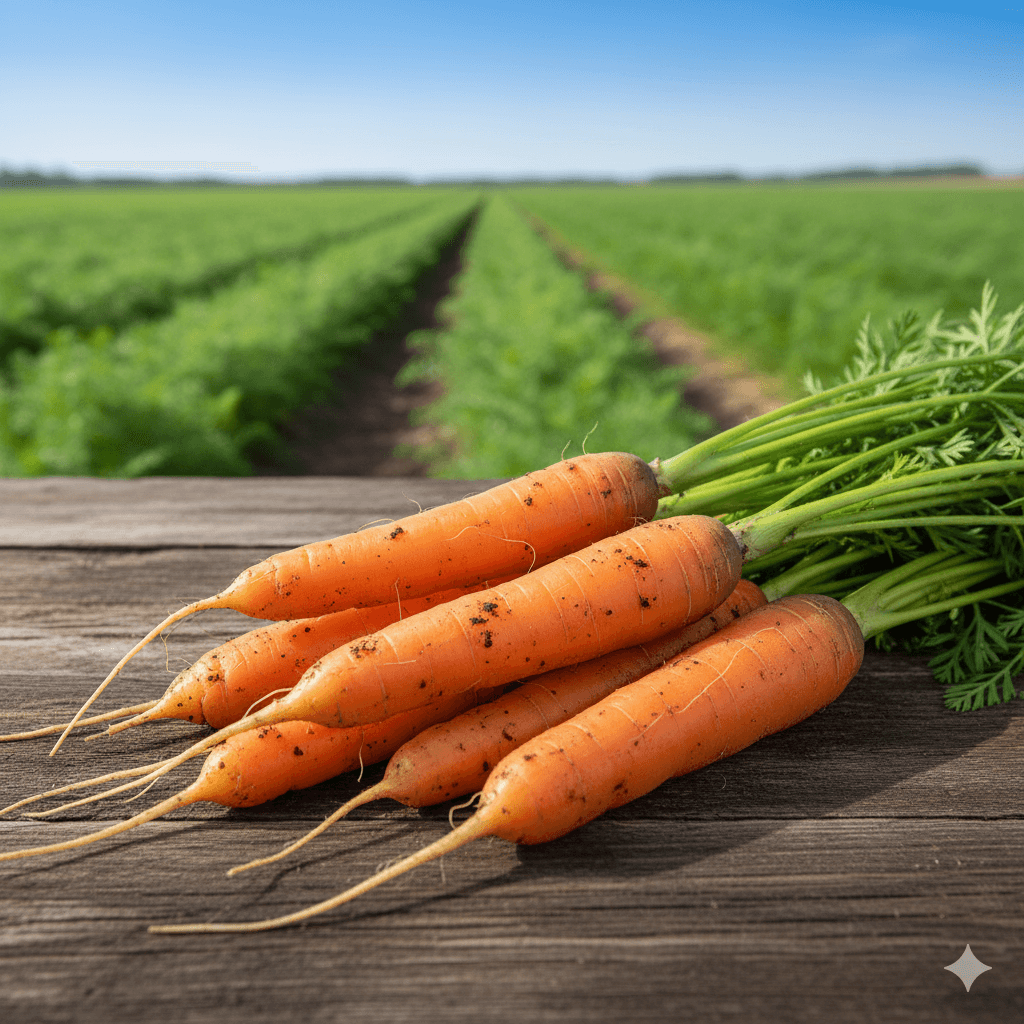
Carrots are one of those vegetables that truly benefit from cooler weather. When temperatures dip, they convert starch into sugar, making them sweeter and crunchier.
How to grow:
Plant seeds about 8–10 weeks before the first expected frost.
Use loose, well-drained soil so roots can grow straight.
Thin seedlings to give them space to develop.
Pro tip: Leave carrots in the ground until after the first frost for the best flavor.
3. Kale – Hardy and Nutrient-Packed

Kale is one of the most cold-tolerant vegetables you can grow. It keeps producing well into late fall and even winter in mild climates. The cooler the weather, the more tender and flavorful its leaves become.
How to grow:
Sow seeds in late summer or early fall.
Kale likes full sun but tolerates partial shade.
Harvest the outer leaves first so the plant keeps producing.
Pro tip: A light frost can make kale taste noticeably sweeter.
4. Radishes – Fast and Easy to Grow Vegetable

If you want quick results, radishes are perfect. They thrive in cooler temperatures and are ready to harvest in as little as three weeks. They add a peppery crunch to salads and are simple to grow, even in small spaces.
How to grow:
Sow seeds 4–6 weeks before the first frost.
Keep the soil evenly moist to avoid woody roots.
Harvest promptly for the best flavor and texture.
Pro tip: Plant new batches every two weeks for a steady supply throughout the fall.
5. Broccoli – A Cool-Season Classic

Broccoli thrives in mild, cool conditions and produces more flavorful heads when grown in the fall. It prefers temperatures below 21°C and isn’t bothered by a light frost.
How to grow:
Start seeds indoors in midsummer and transplant them in early fall.
Give plants plenty of space and consistent water.
Harvest the main head before the buds open, then enjoy smaller side shoots.
Pro tip: Mulching around the base helps regulate soil temperature and retain moisture.