Amazing Wandering Jew Plant Cultivation Guide
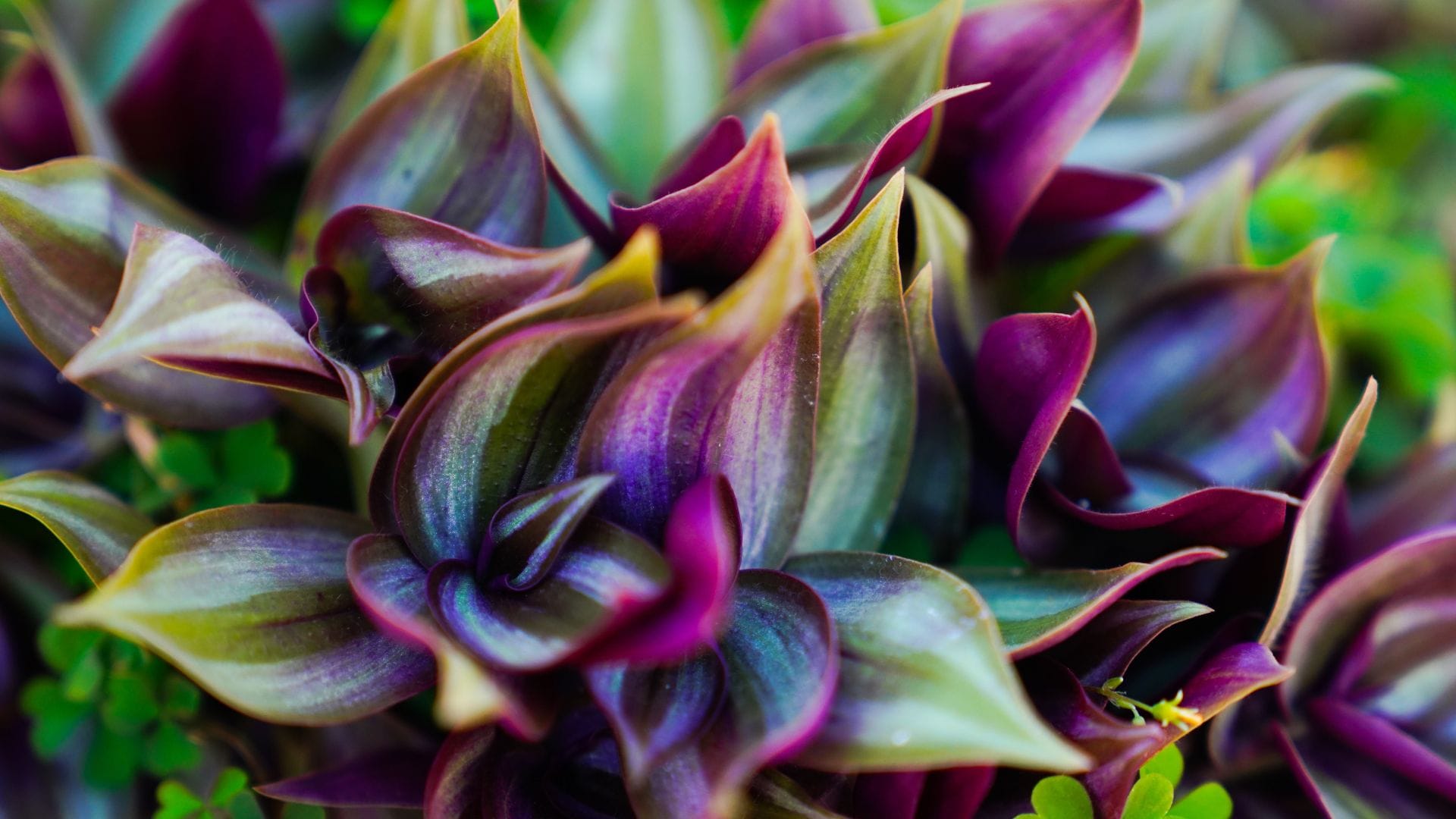
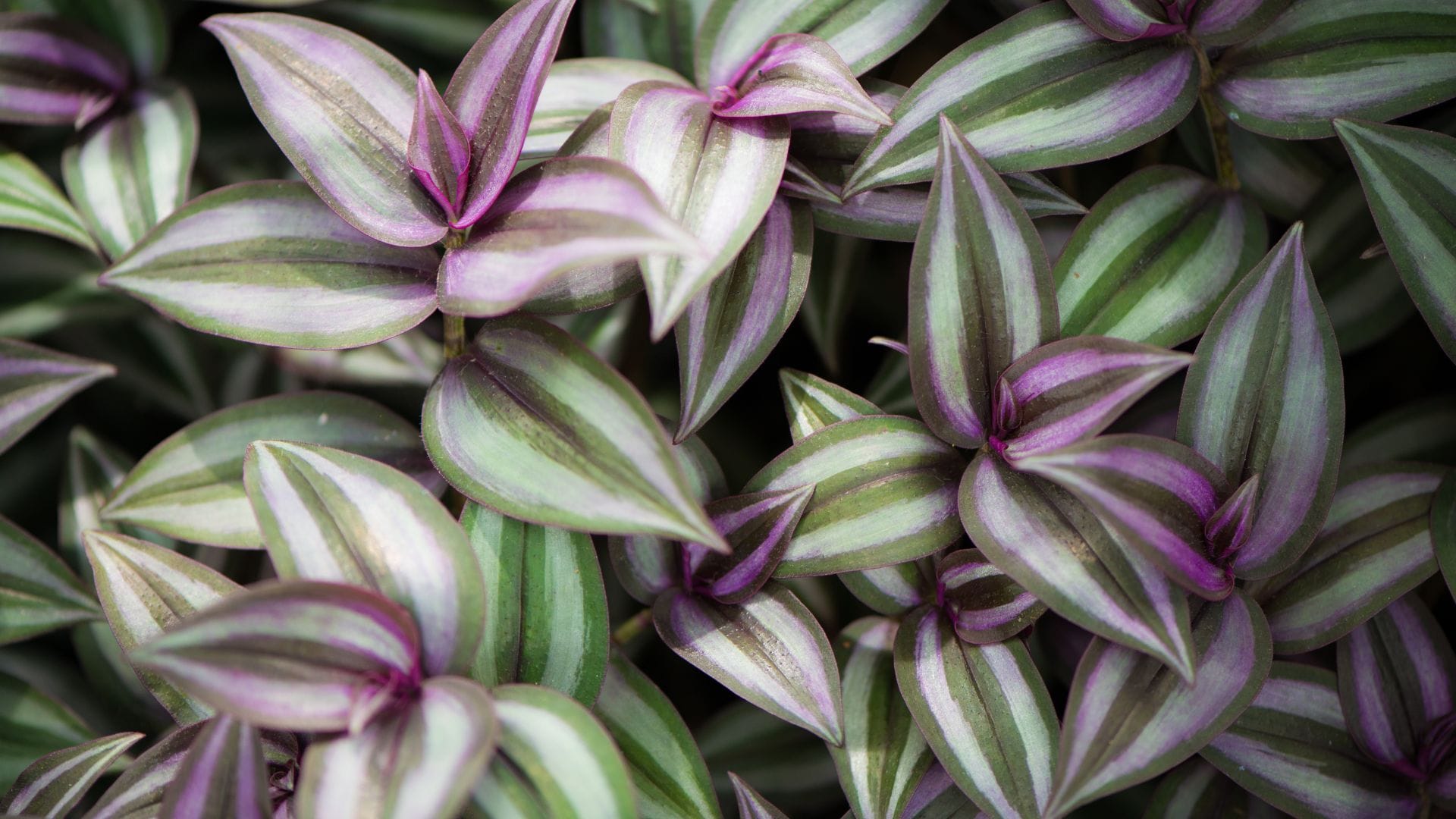
The Wandering Jew plant is one of the most popular ornamental houseplants known for its colorful foliage, trailing growth habit, and easy maintenance. With striking purple, green, silver, and striped leaves, this attractive plant can brighten indoor spaces, hanging baskets, balconies, and gardens. Its fast-growing nature makes it an excellent choice for both beginner and experienced gardeners.
In this guide, you’ll learn everything about Wandering Jew cultivation, including planting, care, propagation, common problems, and frequently asked questions.
Table of Contents
What Is a Wandering Jew Plant?
The Wandering Jew plant belongs to the genus Tradescantia, a group of flowering plants native to Central and South America. Popular varieties include Tradescantia zebrina, Tradescantia fluminensis, and Tradescantia pallida. These plants are valued for their vibrant foliage rather than their small flowers.
They are commonly grown indoors as hanging plants or outdoors as ground covers in warm climates.
Types of Wandering Jew Plants
| Variety | Leaf Color | Special Feature |
|---|---|---|
| Tradescantia zebrina | Purple, silver, and green stripes | Most popular variety |
| Tradescantia pallida | Deep purple foliage | Drought tolerant |
| Tradescantia fluminensis | Bright green leaves | Fast-growing ground cover |
| Tradescantia nanouk | Pink, green, and cream leaves | Compact growth habit |
| Tradescantia sillamontana | Fuzzy silver-green leaves | Unique texture |
Native Area of the Wandering Jew Plant
The Wandering Jew plant (Tradescantia species) is native to the tropical and subtropical regions of the Americas. Different species originate from various countries in Central America, South America, and parts of North America.
Ideal Growing Conditions
Light Requirements
Wandering Jew plants thrive in bright, indirect sunlight. They need plenty of light to maintain vibrant leaf colors.
- Bright indirect light is ideal.
- Morning sunlight is beneficial.
- Avoid harsh afternoon sun, which can scorch leaves.
- Low light may cause faded colors and leggy growth.
Also Read: Ghost Chilli Cultivation Guide
Temperature
The ideal temperature range is between 18°C and 29°C.
- Protect from frost.
- Avoid temperatures below 10°C.
- Keep indoor plants away from cold drafts and air conditioners.
Humidity
These plants prefer moderate to high humidity levels.
- Mist occasionally during dry weather.
- Use a humidity tray for indoor plants.
- Bathrooms and kitchens often provide suitable humidity.
Soil Requirements
Wandering Jew plants grow best in well-draining, fertile soil.
A suitable potting mix includes:
- 2 parts garden soil
- 1 part compost
- 1 part coco peat or peat moss
- 1 part perlite or sand
The soil should remain moist but never waterlogged.
Planting Wandering Jew
Planting in Pots
- Select a pot with drainage holes.
- Fill it with well-draining potting mix.
- Plant rooted cuttings or nursery plants.
- Water thoroughly after planting.
- Place the pot in a bright location.
Planting Outdoors
- Choose a partially shaded area.
- Prepare the soil with compost.
- Space plants 20–30 cm apart.
- Water regularly until established.
Also Read: Cultivating Dragon fruit: A Modern Gardener’s Guide
Watering Schedule
Wandering Jew plants enjoy consistently moist soil.
Watering Tips
- Water when the top 2–3 cm of soil feels dry.
- Reduce watering during winter.
- Avoid letting the soil completely dry out.
- Prevent standing water in pots.
Overwatering can cause root rot, while underwatering may lead to dry, brown leaves.
Fertilizer Requirements
Regular feeding promotes healthy growth and vibrant foliage.
Fertilization Guide
- Apply balanced liquid fertilizer every 4–6 weeks during spring and summer.
- Use organic compost or vermicompost monthly.
- Avoid excessive fertilizer, which can damage roots.
A fertilizer with balanced NPK nutrients helps encourage lush growth.
Propagation Methods
One of the easiest aspects of Wandering Jew cultivation is propagation.
Stem Cutting Propagation
- Cut a healthy stem 10–15 cm long.
- Remove lower leaves.
- Place the cutting in water or moist soil.
- Keep in bright indirect light.
- Roots typically develop within 1–2 weeks.
This method has a high success rate and is perfect for expanding your collection.
Pruning and Maintenance
Regular pruning helps maintain a fuller and healthier plant.
Pruning Benefits
- Encourages bushy growth.
- Prevents legginess.
- Removes damaged leaves.
- Improves overall appearance.
Pinch back stem tips regularly to promote branching.
Common Pests and Diseases
Although relatively hardy, Wandering Jew plants may experience a few problems.
Common Pests
- Aphids
- Spider mites
- Mealybugs
- Whiteflies
Pest Control
- Spray neem oil every two weeks.
- Wash leaves with mild soapy water.
- Remove heavily infested stems.
Common Diseases
| Disease | Symptoms | Solution |
|---|---|---|
| Root Rot | Yellow leaves, mushy roots | Improve drainage |
| Leaf Spot | Brown spots on leaves | Remove affected leaves |
| Powdery Mildew | White powdery coating | Improve air circulation |
Growing Wandering Jew Indoors
Indoor cultivation is highly popular because of the plant’s attractive trailing habit.
Indoor Care Tips
- Place near bright windows.
- Rotate pots regularly for even growth.
- Use hanging baskets for decorative displays.
- Maintain moderate humidity.
Proper lighting is the key to maintaining vibrant leaf coloration indoors.
Benefits of Growing Wandering Jew
Decorative Appeal
The colorful foliage creates an attractive visual display in homes and gardens.
Air Purification
Like many houseplants, it can help improve indoor air quality.
Easy Propagation
New plants can be produced quickly from stem cuttings.
Low Maintenance
The plant requires minimal care and adapts well to indoor conditions.
Fast Growth
Its rapid growth makes it ideal for filling hanging baskets and containers.
Harvesting and Rejuvenation
Older plants may become sparse over time. Rejuvenate them by:
- Taking fresh cuttings.
- Replanting rooted stems.
- Pruning back old growth.
This helps maintain a dense and healthy appearance year-round.
Conclusion
Wandering Jew is an attractive, versatile, and easy-to-grow plant that adds beauty to any indoor or outdoor space. With proper light, regular watering, occasional feeding, and simple pruning, it can thrive for many years. Its colorful foliage, fast growth, and effortless propagation make it one of the best choices for beginner gardeners and houseplant enthusiasts alike.
Frequently Asked Questions (FAQs)
1. How much sunlight does a Wandering Jew plant need?
It grows best in bright, indirect sunlight for 4–6 hours daily.
2. How often should I water my Wandering Jew plant?
Water when the top inch of soil becomes dry, usually once or twice a week.
3. Can Wandering Jew grow indoors?
Yes, it is one of the most popular indoor houseplants and grows well in hanging baskets.
4. How do I make my Wandering Jew bushier?
Regularly pinch or prune the stem tips to encourage branching.
5. Why are the leaves losing color?
Insufficient light is the most common reason for faded foliage.
6. Can I propagate Wandering Jew in water?
Yes, stem cuttings root very easily in water within 1–2 weeks.
7. What is the best fertilizer for Wandering Jew plants?
A balanced liquid fertilizer applied every 4–6 weeks during the growing season works well.
8. Is Wandering Jew drought tolerant?
It can tolerate short dry periods but performs best in consistently moist soil.
9. Can Wandering Jew grow outdoors?
Yes, in warm climates it grows well as a ground cover or container plant.
10. How long does a Wandering Jew plant live?
With proper care and regular propagation, it can be maintained indefinitely for many years.
Also Read: How to Plant, Grow, and Care for Wandering Jew Plants