How Global Warming Is Changing the Future of Farming
In this blog, we’ll look at how global warming is affecting agriculture today, and what it means for the future of our food systems.
Climate change isn’t a distant problem anymore. It’s already here, and one of the sectors feeling its impact the most is agriculture. Farmers have always worked with nature — relying on rainfall, temperature, and seasons to produce food. But with rising global temperatures, shifting weather patterns, and more frequent natural disasters, farming is becoming increasingly unpredictable and challenging.
Global warming affects
1. Rising Temperatures and Crop Stress
One of the clearest signs of global warming is the steady increase in average temperatures. While a small rise might not seem like much, it can have a huge impact on crop growth.
Many staple crops like wheat, rice, and maize grow best within a specific temperature range. When it gets too hot, plants become stressed. This leads to:
- Reduced yields due to slower growth or damaged flowering
- Lower grain quality and nutritional value
- Increased water needs, putting pressure on irrigation systems
In some regions, farmers are already planting earlier or switching to heat-tolerant varieties just to adapt.
2. Unpredictable Rainfall and Drought
Water is life for agriculture, and global warming is disrupting rainfall patterns worldwide. Some areas are experiencing longer dry spells and severe droughts, while others are seeing intense rainfall and flooding.
Drought reduces soil moisture and stunts plant growth, while floods wash away seeds, nutrients, and even entire crops. This unpredictability makes planning planting seasons much harder and increases the risk of total crop failure.
3. Soil Health is Declining
Healthy soil is the foundation of farming. But rising temperatures, irregular rainfall, and extreme weather events accelerate soil degradation. Heavy rains can cause erosion, while heat and drought reduce organic matter and fertility.
These changes make soil less productive over time, forcing farmers to use more fertilizers, which can further harm the environment if not managed properly.
4. Pests and Diseases Are Spreading
Warmer climates also change the way pests and diseases behave. Insects that were once controlled by cold winters are now surviving year-round and spreading to new regions. Plant diseases are following the same pattern.
This means farmers need to spend more on pesticides and crop protection — increasing costs and creating potential environmental concerns.
5. Livestock and Dairy Are Affected Too
It’s not just crops. Rising temperatures also stress animals. Heat reduces livestock fertility, weight gain, and milk production. Droughts can cut down on available feed, while new diseases and parasites spread more easily in warmer conditions.
This affects not only the quantity but also the quality of meat, milk, and other animal products.
6. Food Prices and Farmer Livelihoods Are at Risk
When farming becomes unpredictable, the ripple effects are felt beyond the fields. Lower yields and crop failures can lead to higher food prices, threatening food security.
For small-scale farmers — especially in developing countries — the financial losses can be devastating. Many are forced to abandon farming altogether, which can increase rural poverty and migration.
What Can Be Done?
The effects of global warming on farming are serious, but not unstoppable. Solutions are emerging at every level:
- Climate-smart agriculture: Using improved seeds, efficient irrigation, and better soil management to adapt to new conditions.
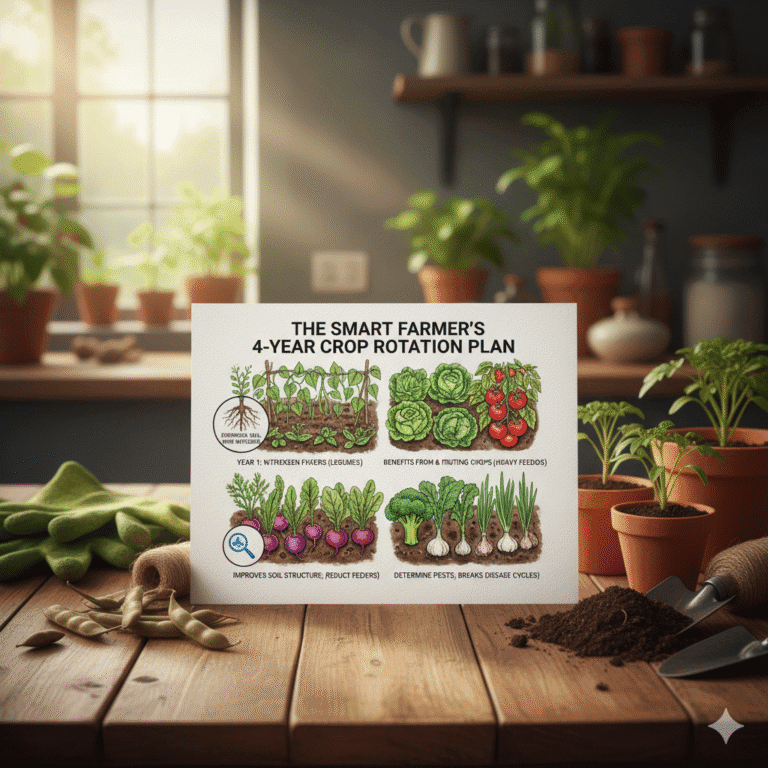
- Diversifying crops: Planting different varieties that can withstand heat, drought, or floods.
- Agroforestry and cover crops: Protecting soil and improving resilience by integrating trees and plants.
- Policy support: Governments can help by funding research, offering crop insurance, and supporting sustainable farming practices.
Final Thoughts
Global warming is reshaping agriculture in ways we’re only beginning to understand. But while the challenges are real, so are the opportunities to innovate. Farmers, scientists, policymakers, and consumers all have a role to play in building a food system that can withstand a changing climate.
The choices we make today — from how we grow our food to how we use energy — will decide not just the future of farming, but the future of food itself.
Also read The amazing Benefits of Tea and Herbs