How to Grow Peas: A Complete Guide for Beginners
How to Grow Peas: A Complete Guide for Beginners
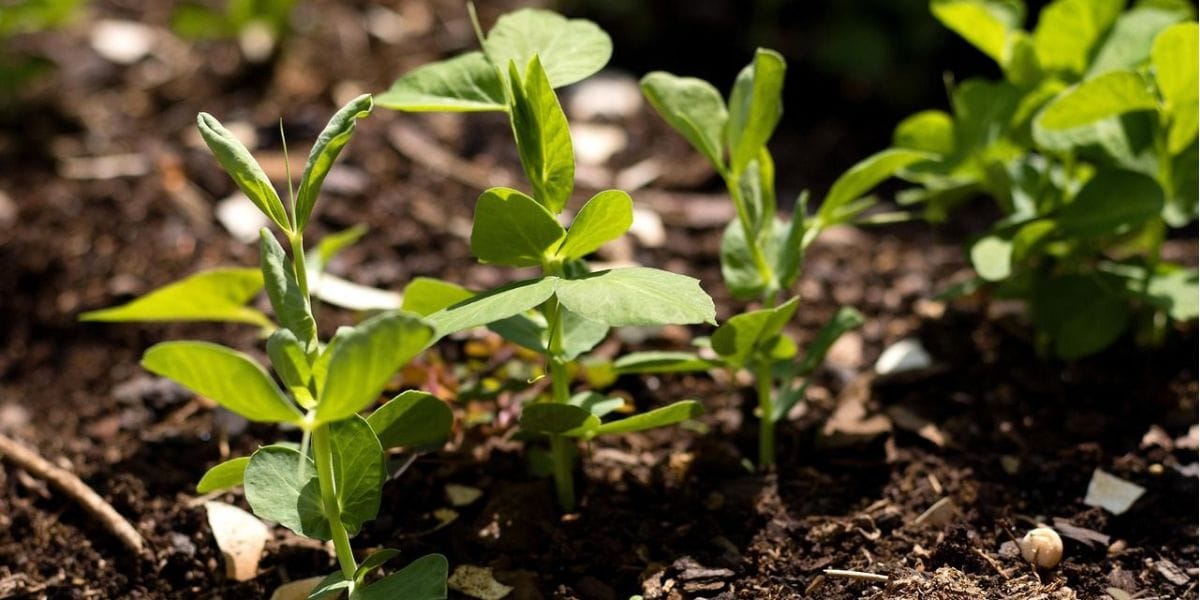
Peas are one of the easiest and most rewarding cool-season crops you can grow in your garden. They not only taste fresh and sweet but also enrich the soil with nitrogen, making them an excellent companion plant. Whether you’re planning to grow them in your backyard, containers, or on a small farm, peas thrive with a little care and the right growing conditions.
In this guide, you’ll learn everything you need to know about how to grow peas successfully—from soil preparation to harvesting.
Table of Contents
Why Grow Peas?

Nutritious & Delicious:
Fresh peas are rich in vitamins, protein, and fiber.
Soil-Friendly:
As legumes, peas fix nitrogen into the soil, improving fertility.
Low Maintenance:
They require minimal care once established.
Great for Small Spaces:
Perfect for kitchen gardens and containers.
Best Time to Plant Peas
Peas prefer cool weather and grow best in temperatures between 10–25°C (50–77°F).
In temperate climates:
Plant peas in early spring as soon as the soil can be worked.
In warmer regions:
Grow them in late fall or winter for the best yield.
Step-by-Step Guide to Growing Peas
1. Choose the Right Variety
There are three main types of peas:
Garden (Shelling) Peas –
grown for shelled seeds.
Snow Peas –
flat pods, eaten whole.
Snap Peas –
thick, crunchy pods, sweet in taste.
Choose based on your preference and climate.
2. Prepare the Soil
Peas prefer well-drained, loamy soil with pH between 6.0–7.5.
Add compost or organic manure before planting.
Avoid nitrogen-rich fertilizers, as peas produce their own nitrogen.
Also Read:easy steps for potato gardening
3. Planting Peas

Sow seeds directly into the ground—peas don’t transplant well.
Plant seeds 1–2 inches deep and 2 inches apart.
Space rows about 18–24 inches apart.
For climbing varieties, install trellises or stakes before planting.
4. Watering & Care
Keep soil consistently moist, but not waterlogged.
Water at the base to avoid fungal issues.
Mulch around plants to retain moisture and reduce weeds.
5. Supporting the Plants
Bush peas grow short and usually don’t need support.
Climbing peas require trellises, netting, or bamboo sticks.
6. Pest & Disease Management
Common problems include:
Aphids & Pea Weevils –
use neem oil or insecticidal soap.
Powdery mildew & Root rot –
avoid overhead watering and maintain good spacing.
7. Harvesting Peas
Garden peas:
Harvest when pods are plump but before seeds get starchy.
Snow peas:
Pick when pods are flat but tender.
Snap peas:
Harvest when pods are crisp and full.
Harvest regularly to encourage more production.
Also Read:Rose gardening: The complete rose care handbook.
Tips for Growing Peas in Containers

Use a deep container (at least 12 inches).
Ensure good drainage.
Provide a trellis for climbing types.
Water more frequently, as pots dry faster.
Also Read: Cultivating Dragon Fruit: A Modern Gardener’s Guide
Alternate Crops to Try
If peas don’t grow well in your region, you can try:
Beans
Lentils
Chickpeas
These legumes also enrich the soil with nitrogen.
FAQs on Growing Peas
1. Can I grow peas in summer?
No, peas dislike heat. They perform best in cool weather.
2. How long do peas take to grow?
Most pea varieties are ready to harvest in 60–70 days.
3. Do peas need fertilizer?
Generally, no. They fix nitrogen naturally. Just add compost for better yield.
4. Can peas grow indoors?
Yes, in containers near a sunny window or under grow lights.
Final Opinion
Growing peas is a simple, rewarding, and eco-friendly choice for home gardeners. With just a little preparation, they provide fresh harvests, enrich your soil, and add a sweet crunch to your meals. Whether you grow them in your backyard or in pots, peas are a must-have in any seasonal garden.