8 Rue Plants for a Unique and Medicinal Touch
Rue Plants for a Unique and Medicinal Touch
When it comes to plants that combine history, symbolism, and healing powers, Rue (Ruta graveolens) holds a special place. Also called the “herb of grace,” rue has been grown in gardens for centuries as a medicinal plant, a natural insect repellent, and even as a spiritual protector. With its bluish-green foliage, strong aroma, and small yellow flowers, rue adds both uniqueness and functionality to any garden.
If you’re looking to enrich your green space with something traditional yet useful, here are 8 rue plant varieties and uses that bring a unique and medicinal touch.
Table of Contents
1. Common Rue (Ruta graveolens)
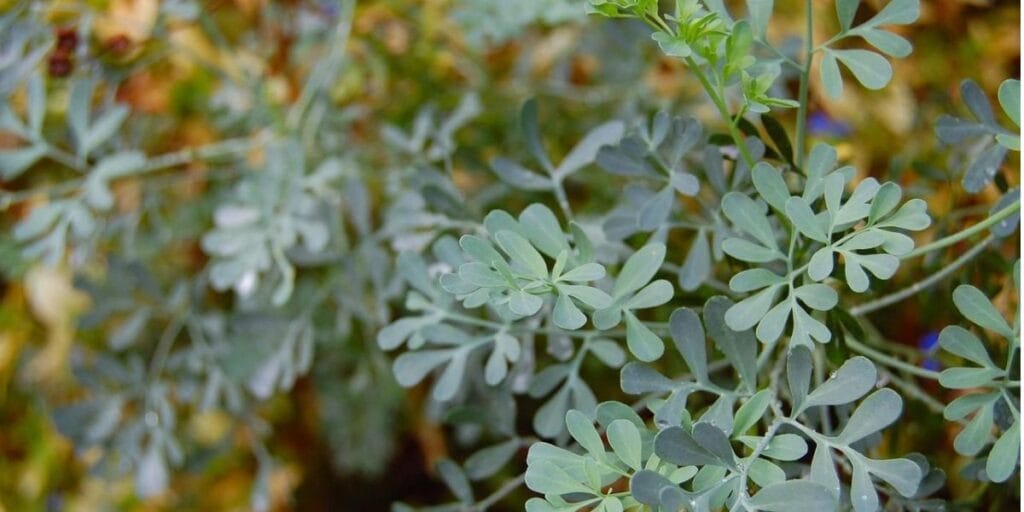
The most widely known rue plant, this variety has aromatic bluish-green leaves and delicate yellow flowers. Traditionally, it has been used for:
Relieving indigestion and flatulence
Treating headaches and menstrual discomfort
Repelling insects naturally
Its striking foliage makes it a wonderful addition to borders and herbal gardens.
2. Goat’s Rue (Galega officinalis)
Though different from Ruta graveolens, this rue relative has been valued in traditional medicine. Its benefits include:
Supporting lactation in nursing mothers
Aiding in diabetes management (early source of metformin compounds)
Boosting metabolism
It grows tall with clusters of lilac to white flowers, adding elegance to gardens.
3. Jackman’s Blue Rue
A cultivated form of common rue, Jackman’s Blue is admired for its soft blue-grey foliage. It’s drought-tolerant, making it perfect for dry gardens. Uses include:
Natural pest repellent in vegetable gardens
Ornamental appeal in rock gardens
Traditional remedies for joint pain and nervous tension
4. Wild Rue (Peganum harmala)
Also called Syrian Rue, this plant has a long history in Middle Eastern and Central Asian cultures. Medicinally, it has been used for:
Anti-parasitic treatments
Pain relief
Spiritual and ritualistic cleansing
Its star-shaped white flowers give a unique touch to any medicinal garden.
5. African Rue (Peganum multisectum / harmala var.)
A hardy, drought-resistant variety, African Rue thrives in arid regions. Traditionally, it has been used for:
Treating fevers and infections
Relieving stomach ailments
Ritual burning to ward off evil spirits
Its resilience makes it a useful plant for xeriscaping (low-water gardening).
Also Read: Basic Snake Plant Care for Beginners
6. Fringed Rue (Ruta chalepensis)
Closely related to common rue, this variety has finely divided leaves and a stronger aroma. It has been valued in:
Traditional herbal medicine for digestive health
Treating menstrual problems
Flavoring traditional liqueurs in Mediterranean cultures
Its ornamental leaves make it a favorite for both herb gardens and decorative landscaping.
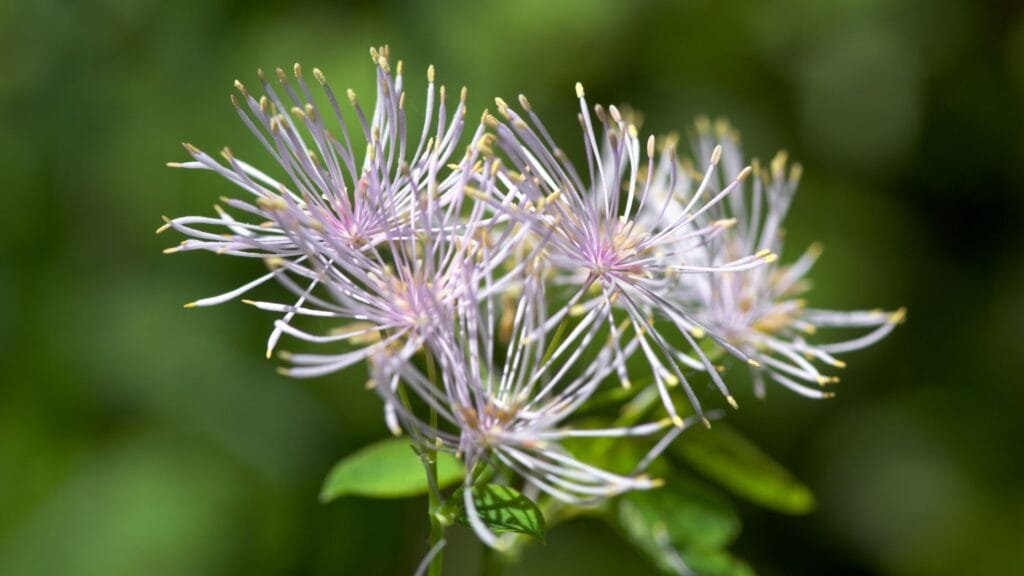
7. Mountain Rue (Thalictrum spp.)
Though not a true rue, this plant is often grouped due to its name and medicinal uses. It is known for:
Boosting liver health
Supporting blood circulation
Adding delicate flowers in shades of pink, white, or lavender
Mountain rue brings an elegant wildflower feel to any herbal collection.
8. Garden Rue Mix (Varietal Hybrids)
For gardeners who love variety, hybrid and mixed rue plants are available. These selections combine ornamental appeal with traditional medicinal value. Common uses include:
Natural pest control in companion planting
Symbolic use in spiritual protection
Making herbal extracts and teas (with caution)
Also Read: How to Create a Beautiful Succulent Arrangement
Benefits of Growing Rue Plants
Medicinal Value:
Supports digestion, relieves pain, and improves wellness (used carefully).
Pest Control:
Repels mosquitoes, flies, and garden pests naturally.
Spiritual Symbolism:
Used in rituals for protection and purification.
Low Maintenance:
Thrives in poor soil, heat, and drought conditions.
Safety Note
While rue plants have valuable medicinal uses, they should be handled with care. The essential oils can irritate skin, and consuming large amounts can be toxic. Always consult a professional before using rue internally.
Also Read: 10 Tips to Keep Your Indoor Plants Thriving
Final Thoughts
Adding rue plants to your garden is not just about their unique ornamental charm, but also about embracing their medicinal heritage. From common rue to wild and mountain varieties, these plants bring a fascinating blend of healing, history, and beauty.
Whether you’re a gardener, herbal enthusiast, or someone seeking plants with symbolic meaning, rue is an unforgettable choice.