Pelargonium (Geranium) Plant Care and Growing Guide
Pelargonium (Geranium) Plant Care and Growing Guide
Few plants bring as much color, fragrance, and charm to gardens and balconies as Pelargoniums, often popularly known as Geraniums. With their long blooming season, vibrant flower clusters, and aromatic foliage, these plants are among the most loved ornamental choices worldwide. Whether grown in containers, hanging baskets, or flower beds, pelargoniums offer reliable beauty with minimal effort.
Let’s dive into the complete care and growing guide to help you nurture these stunning blooms successfully.
Table of Contents
Understanding Pelargoniums (Geraniums)
While commonly referred to as geraniums, the plants most gardeners grow are actually Pelargoniums, a genus distinct from true Geraniums (hardy cranesbills). Pelargoniums originate from South Africa and thrive in warm, sunny conditions.
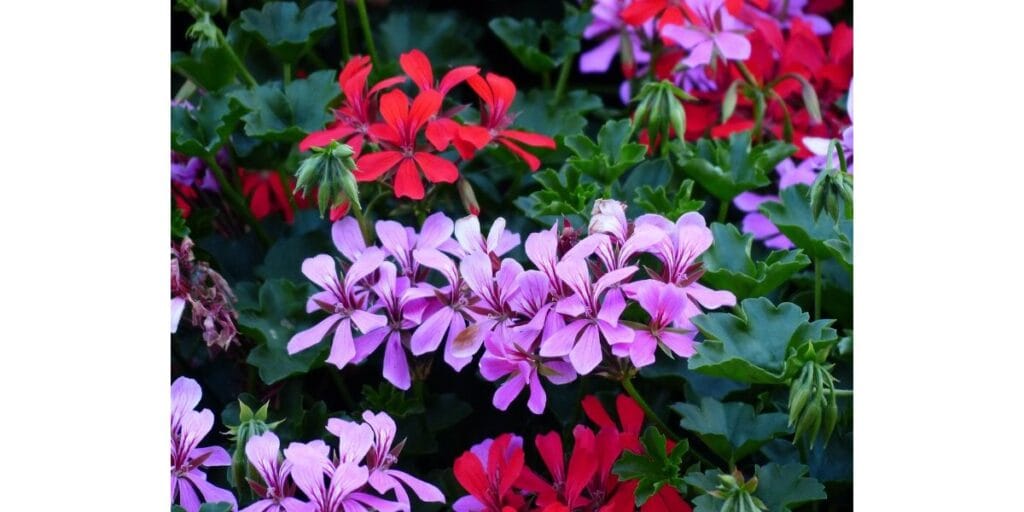
They are tender perennials that can be grown as annuals in cooler regions or overwintered indoors. With their broad range of colors—from deep reds and pinks to whites, purples, and bi-colors—they can suit any garden theme.
Popular Types of Pelargoniums
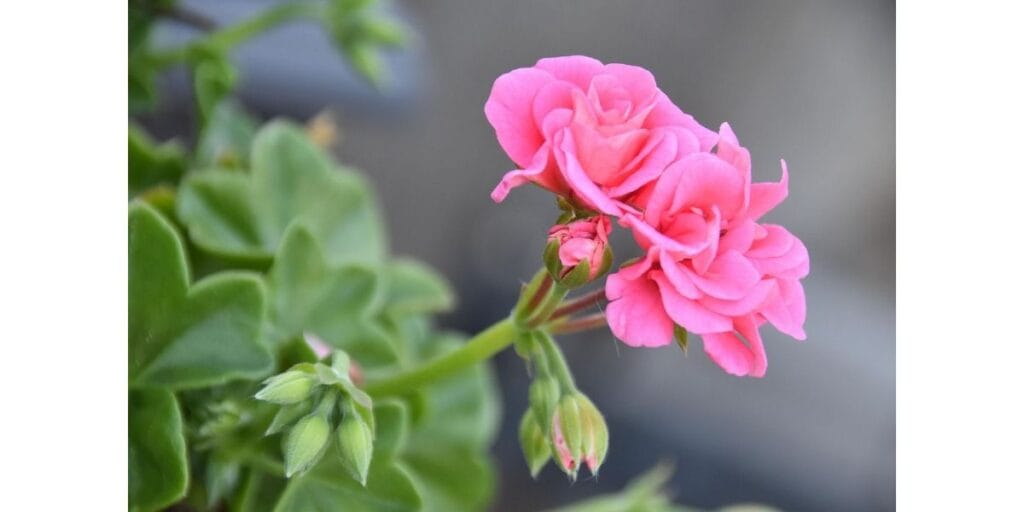
Before planting, it’s useful to know the main types of pelargoniums available:
- Zonal Pelargoniums (Pelargonium × hortorum) – The most common type with rounded, patterned leaves and large, showy blooms.
- Ivy-Leaved Pelargoniums (Pelargonium peltatum) – Trailing varieties ideal for hanging baskets and window boxes.
- Regal or Martha Washington Pelargoniums (Pelargonium × domesticum) – Known for their frilled petals and vibrant, short-lived blooms.
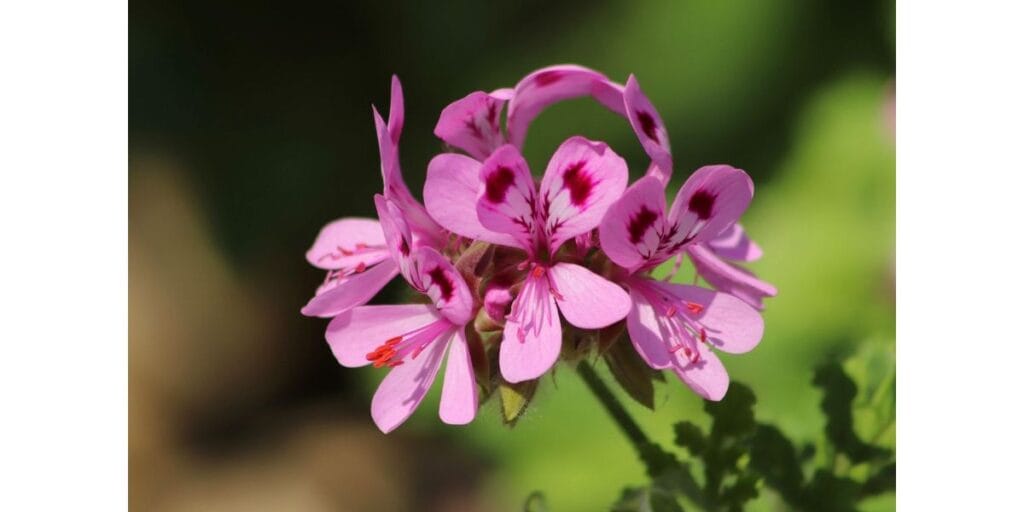
- Scented-Leaf Pelargoniums – Grown for their aromatic foliage, with scents ranging from rose and lemon to mint and nutmeg.
- Angel Pelargoniums – Compact plants with small flowers resembling pansies, perfect for small containers or edging.
Ideal Growing Conditions of Pelargoniums
Pelargoniums are easy to care for once you provide the right growing conditions:
1. Sunlight For Pelargoniums
These plants love sunlight! Aim for at least 5–6 hours of full sun daily for best flowering. Too much shade can cause leggy growth and fewer blooms.
2. Temperature For Pelargoniums
Pelargoniums prefer warm days (18–24°C) and cooler nights (10–15°C). They are not frost-tolerant, so move them indoors or under protection when temperatures drop below 10°C.
3. Soil For Pelargoniums
Use well-draining soil rich in organic matter. A mix of garden soil, compost, and sand (in equal parts) works perfectly. Poor drainage can lead to root rot.
4. Watering For Pelargoniums
Water thoroughly but let the soil dry slightly between waterings. Overwatering is one of the most common causes of failure with pelargoniums. During hot summers, watering once every 2–3 days may be necessary, while in cooler months, once a week is enough.
Also Read: Popular Pine Trees for Small Gardens: Perfect Picks for Limited Spaces
How to Plant Pelargoniums
- Choose the Right Container: For container planting, pick a pot with drainage holes to prevent waterlogging.
- Soil Preparation: Fill the container with a light potting mix or compost-enriched garden soil.
- Planting Depth: Plant pelargoniums at the same depth as they were in their nursery pots.
- Spacing: Space plants 20–30 cm apart for good air circulation.
- Water After Planting: Water lightly and place the pot in a bright, sunny spot.
Fertilizing Pelargoniums
Feed your plants regularly to encourage continuous blooms.
- Use a balanced liquid fertilizer (10-10-10) every 2–3 weeks during the growing season (spring to late summer).
- Avoid over-fertilizing, which can lead to lush foliage but fewer flowers.
- For organic options, diluted compost tea or liquid seaweed extract works wonderfully.
Pruning and Deadheading
Regular pruning and deadheading are key to keeping pelargoniums compact and blooming profusely.
- Deadhead spent blooms to encourage new flower formation.
- Pinch back young stems to promote branching.
- Cut back leggy plants by one-third in late summer or before overwintering.
This not only maintains shape but also revitalizes the plant for the next blooming season.
Also Read: How to Plant Bougainvillea: Paper flower
Propagation of Pelargoniums
Pelargoniums are among the easiest plants to propagate.
Stem Cuttings:
- Take 4–6 inch cuttings from healthy shoots.
- Remove lower leaves and dip the cut end in rooting hormone (optional).
- Plant the cutting in a mix of sand and compost or perlite.
- Keep in a warm, bright area and mist occasionally.
- Roots should develop within 3–4 weeks.
Once rooted, transplant into pots and care for them as mature plants.
Common Problems and Solutions
Even though pelargoniums are hardy, they can face a few issues:
| Problem | Cause | Solution |
| Yellowing leaves | Overwatering or poor drainage | Let soil dry and ensure good aeration |
| No flowers | Too much nitrogen or insufficient sunlight | Reduce fertilizer, increase sunlight |
| Leaf drop | Sudden temperature change or drought stress | Maintain consistent watering |
| Aphids, whiteflies, or spider mites | Common pests | Use neem oil or insecticidal soap spray |
Overwintering Pelargoniums
In colder regions, pelargoniums cannot survive frost outdoors. Before winter sets in:
- Cut back the plants by half.
- Move pots indoors to a bright, cool location (around 10–15°C).
- Water sparingly—just enough to keep roots from drying.
When spring arrives, gradually reintroduce them to sunlight before moving outdoors.
Benefits of Growing Pelargoniums
- Long blooming period from spring to autumn.
- Fragrant leaves that can be used in potpourri and teas (for scented varieties).
- Attracts pollinators like bees and butterflies.
- Low-maintenance and drought-tolerant once established.
- Ideal for balconies, patios, and window boxes.
Final Thoughts
Pelargoniums (Geraniums) are timeless garden favorites that reward you with stunning blooms and delightful scents throughout the year. Their versatility, ease of care, and resilience make them perfect for both beginner and seasoned gardeners. With just the right mix of sunshine, well-drained soil, and a little love, your pelargoniums will flourish beautifully—bringing a cheerful burst of color to your garden or home.
Also Read: How to Start Growing Zinnias: Easy-Care Flower for Every Garden