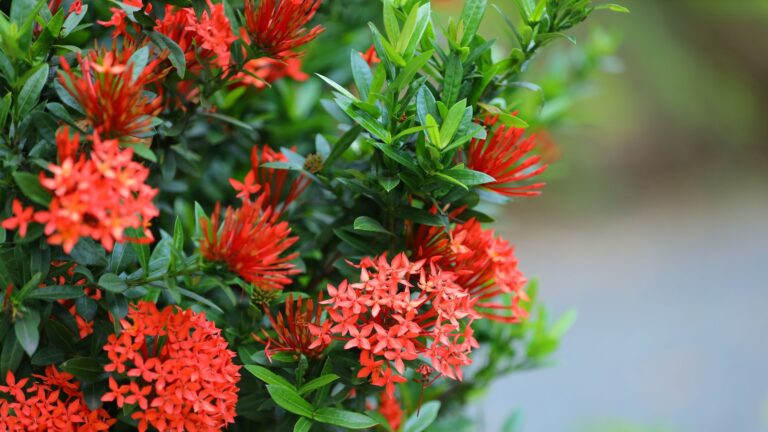
Pretty Lilacs for Small Gardens: Fragrant Blooms in Compact Spaces
Pretty Lilacs for Small Gardens
Lilacs (Syringa) are among the most beloved flowering shrubs, admired for their breathtaking clusters of purple, pink, or white blooms and their enchanting fragrance. Traditionally known for filling large country gardens with their sweet scent, lilacs are now also available in compact varieties that fit beautifully into small gardens, patios, and even containers.
If you’ve always dreamed of enjoying lilacs but lack space, you’re in luck! Let’s explore how you can grow pretty lilacs for small gardens, the best compact varieties, and essential care tips for thriving, fragrant blooms.
Table of Contents
Why Lilacs Are Perfect for Small Gardens

Lilacs are more than just pretty flowers — they offer a blend of fragrance, beauty, and easy care. Here’s why they’re ideal for compact spaces:
- Compact varieties available – Dwarf lilac types grow only 4–6 feet tall, making them manageable for smaller yards.
- Long-lasting blooms – Flower clusters appear in late spring and last for several weeks.
- Attract pollinators – Butterflies and bees love lilacs, making them great for supporting local biodiversity.
- Low maintenance – Once established, lilacs are hardy and need minimal attention.
- Seasonal interest – Even after flowering, their lush green foliage adds texture to the garden.
Best Lilac Varieties for Small Gardens
When space is limited, choosing the right variety makes all the difference. Here are some compact and dwarf lilac varieties perfect for smaller landscapes:
Also Read: Lotus Gardening: A Guide to Growing Stunning Lotus.
1. Syringa meyeri ‘Palibin’ (Dwarf Korean Lilac)
One of the most popular small lilacs, this variety grows up to 4–5 feet tall and wide. It produces fragrant pale-lavender flowers in late spring, followed by rich green leaves. It’s ideal for hedges, borders, or container planting.
2. Syringa ‘Tinkerbelle’
This hybrid offers deep pink blooms with a spicy fragrance. It matures at just 5 feet tall and makes a lovely focal point in small gardens.
3. Syringa ‘Miss Kim’
A hardy, compact variety that grows about 6 feet tall, ‘Miss Kim’ produces lavender-blue blooms and glossy foliage that turns burgundy in fall — giving you multi-season beauty.
4. Syringa ‘Baby Kim’
The smallest of the lilacs, ‘Baby Kim’ reaches only 2–3 feet tall and is perfect for containers or tiny courtyards. It blooms profusely and resists mildew.
5. Syringa ‘Bloomerang’ Series
Unlike traditional lilacs that bloom once a year, the ‘Bloomerang’ varieties rebloom throughout the season — first in spring, and again in late summer or fall. Compact and fragrant, they’re great for continuous color in small spaces.
How to Grow Lilacs in Small Gardens

Growing lilacs successfully depends on light, soil, and pruning. Here’s how to create the perfect growing environment.
1. Choose the Right Spot
Lilacs need at least 6 hours of full sunlight daily to bloom well. A sunny location with good air circulation helps prevent mildew and disease.
2. Soil Preparation
They prefer well-drained, slightly alkaline soil (pH 6.5–7.5). If your soil is acidic, add garden lime to raise the pH. Mix in compost to improve fertility and drainage.
3. Watering
Keep the soil evenly moist, especially during the first year after planting. Once established, lilacs are fairly drought-tolerant. Avoid waterlogging, which can cause root rot.
4. Pruning
Prune lilacs right after they finish blooming, not in fall or winter. Remove old flower heads and thin out older stems to encourage new growth and next year’s blossoms.
5. Fertilizing
Apply a balanced, slow-release fertilizer in early spring. Avoid high-nitrogen formulas, which encourage leaf growth at the expense of flowers.
6. Container Growing Tips
For dwarf lilacs, choose a large pot (at least 18 inches wide) with drainage holes. Use a mix of garden soil, compost, and perlite. Water regularly and fertilize lightly during the growing season.
Also Read: Which is the Highest Producer of Marigolds in the World?
Designing with Lilacs in Small Spaces
Lilacs aren’t just for traditional gardens — their versatility allows you to use them creatively in small landscapes:
- Create a fragrant entryway by planting dwarf lilacs near your front door or pathway.
- Use as a centerpiece shrub in a small flower bed surrounded by low-growing perennials.
- Grow in containers on patios or balconies for seasonal color and fragrance.
- Combine with spring bulbs like tulips or daffodils for a layered, colorful look.
Common Lilac Problems and Solutions
Even the toughest plants can face a few challenges. Here’s how to keep your lilacs healthy:
- Powdery mildew → Improve air circulation, prune regularly, and water at the base, not overhead.
- Poor blooming → Ensure adequate sunlight and prune only after flowering.
- Yellowing leaves → Check for poor drainage or nutrient imbalance. Add compost and adjust pH if needed.
Benefits of Growing Lilacs

- Fragrance therapy – Their scent is known to reduce stress and elevate mood.
- Wildlife-friendly – Attracts bees, butterflies, and hummingbirds.
- Low maintenance – Requires minimal care once established.
- Long lifespan – Lilac shrubs can live for decades with proper pruning.
- Cut flowers – Their blooms make beautiful, long-lasting bouquets.
FAQs About Lilacs
Q1. Can I grow lilacs in pots?
Yes! Choose dwarf varieties like ‘Baby Kim’ or ‘Palibin’ and plant in large containers with good drainage.
Q2. When do lilacs bloom?
Most lilacs bloom in late spring to early summer, though some reblooming types flower again in late summer.
Q3. How long do lilacs live?
With proper care, lilacs can live over 50 years, sometimes even longer!
Q4. Can I grow lilacs from cuttings?
Yes, lilacs can be propagated from softwood cuttings in early summer.
Also Read: Successful Aloe Vera gardening tips: happy plant
Final Thoughts
Pretty lilacs bring timeless charm, fragrance, and color to even the smallest of gardens. Whether planted along a pathway, in a patio pot, or as a centerpiece shrub, these compact varieties deliver big beauty in small spaces.
With the right care and thoughtful placement, your garden can be filled with the sweet scent and vibrant blooms of lilacs every spring — a delightful reminder that beauty doesn’t need much space to flourish.