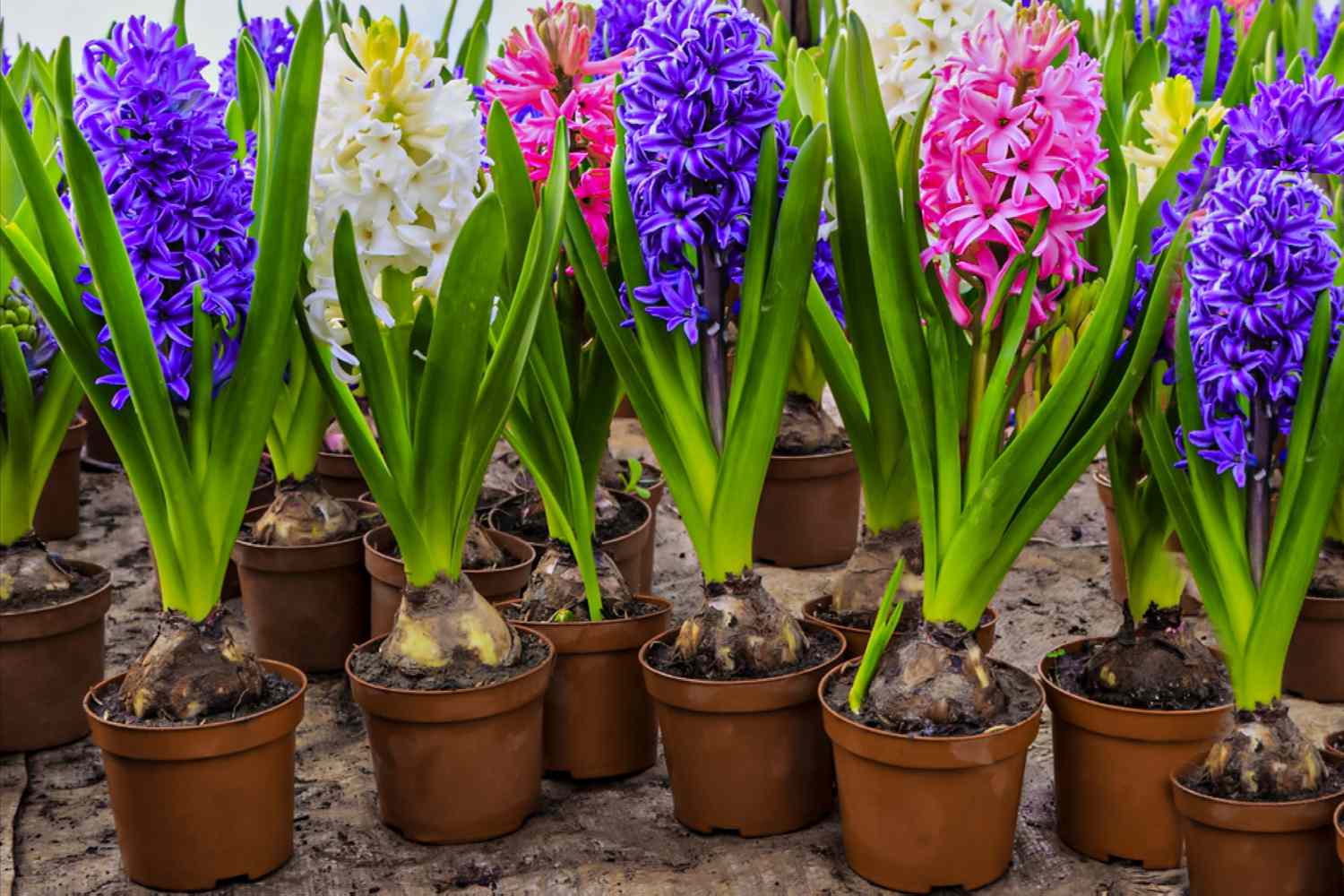
Violets (Viola): How to Grow and Care for These Charming Blooms
Violets (Viola): How to Grow and Care for These Charming Blooms
Violets, belonging to the Viola genus, are among the most charming and timeless flowers in any garden. With their heart-shaped leaves, delicate blooms, and sweet fragrance, these dainty plants have long been symbols of modesty, affection, and spring’s gentle beauty. Whether you’re growing them in pots, garden beds, or hanging baskets, violets reward you with vibrant color and minimal fuss.
In this guide, let’s explore how to grow and care for violets (violas) successfully—covering everything from planting tips to seasonal maintenance.
Table of Contents
Understanding Violets (Viola)

The Viola genus includes more than 500 species, commonly known as violets, pansies, and violas. While some are hardy perennials, others are treated as annuals depending on your local climate.
Their small yet eye-catching flowers come in shades of purple, blue, white, yellow, and even bi-colored varieties. Many gardeners love them for their versatility—perfect for edging pathways, brightening containers, or adding ground cover under taller plants.
Popular types of violas include:
- Sweet violet (Viola odorata) – Known for its lovely fragrance.
- Johnny-jump-up (Viola tricolor) – A cheerful wildflower often seen in meadows.
- Horned violet (Viola cornuta) – Compact plants with long-lasting blooms.
- Garden pansies (Viola × wittrockiana) – Larger, showier hybrids commonly used in borders.
Ideal Growing Conditions for Violets
Getting the growing conditions right is key to healthy and long-lasting blooms.
Light Requirements
Violets thrive best in partial shade to filtered sunlight. They prefer morning sun and protection from harsh afternoon rays. In cooler climates, they can tolerate full sun, while in warmer regions, shade during peak heat prevents wilting.
Soil Type
They grow best in loose, well-draining soil that’s rich in organic matter. Slightly acidic to neutral soil (pH 6.0–7.0) works perfectly. Add compost or leaf mold before planting to enrich the soil.
Temperature and Humidity
Most violas prefer cool to mild temperatures ranging between 15–25°C (59–77°F). Excessive heat can cause them to stop blooming, so they are often grown as cool-season plants in warmer zones.
Also Read: Benefits of Litchi: A Sweet Fruit Packed with Nutrition
How to Plant Violets
You can grow violets from seeds, cuttings, or nursery transplants. Here’s how:
From Seeds
- Start indoors about 8–10 weeks before the last frost.
- Sow seeds in seed trays filled with moist potting mix.
- Lightly cover the seeds with a thin layer of soil.
- Keep them in a cool, dark spot until germination (which takes 2–3 weeks).
- Once seedlings appear, move them to a brighter area.
- Transplant them outdoors when the weather warms up and frost has passed.
From Transplants or Cuttings
Purchase healthy young plants from a nursery or take cuttings from existing violets. Plant them in garden beds or containers, ensuring good spacing (about 6–8 inches apart) to allow air circulation.
Watering and Feeding Tips

Watering
Violets enjoy consistent moisture but dislike soggy soil. Water them when the top inch of soil feels dry, ensuring the soil remains evenly moist. In containers, water more frequently as pots dry out faster.
Avoid overhead watering, as wet foliage can lead to fungal diseases. Instead, water at the base of the plant.
Feeding
Feed your violets every 4–6 weeks with a balanced liquid fertilizer (10-10-10). Avoid over-fertilizing, as too much nitrogen can lead to leafy growth with fewer blooms.
For organic options, compost tea or diluted fish emulsion works wonders.
Pruning and Maintenance
Regular maintenance keeps violets blooming beautifully:
- Deadhead spent flowers regularly to encourage new blooms.
- Trim leggy stems to maintain compact growth.
- Remove yellowed leaves to prevent disease.
- Apply a light mulch around the base to retain moisture and control weeds.
If growing perennials, cut them back after flowering to rejuvenate the plant for the next season.
Also Read: Jasmine Fragrance In Nature’s Sweetest Perfume:
Growing Violets in Containers
Violets look stunning in pots, window boxes, and hanging baskets. Choose containers with good drainage holes and fill them with high-quality potting mix. Water regularly and keep them in partial sunlight.
Container-grown violas can be moved easily to protect them from intense sun or heavy rain, giving you more control over their growing conditions.
Common Pests and Diseases
Though relatively hardy, violets can be attacked by a few pests and diseases:
Common pests: Aphids, slugs, spider mites, and whiteflies.
Diseases: Powdery mildew, root rot, and leaf spot.
To manage these:
- Keep leaves dry by watering at the base.
- Improve air circulation.
- Use neem oil or insecticidal soap if pests appear.
- Remove infected foliage promptly to stop disease spread.
Propagation and Seasonal Care
Perennial violets can be propagated easily by division every 2–3 years. Dig up the clumps, separate them gently, and replant in fresh soil.
In warmer regions, treat violas as cool-season annuals and replant each year for continuous color. In colder climates, mulch around perennials to protect roots during winter.
Benefits of Growing Violets

Besides their ornamental charm, violets offer several benefits:
- Attract pollinators like bees and butterflies.
- Edible flowers—used in salads, desserts, or for decoration.
- Fragrant blooms that uplift your garden’s ambiance.
- Easy to grow and suitable for both beginners and experienced gardeners.
Final Thoughts
Violets (Viola) are the perfect blend of elegance and simplicity. Their cheerful blooms, heart-shaped leaves, and delightful fragrance make them garden favorites year after year. With the right care—moderate sunlight, regular watering, and a touch of love—you can enjoy a carpet of colorful blossoms from early spring through fall.
Whether planted in beds, pots, or borders, these versatile flowers never fail to bring joy and color to your garden. So, pick your favorite variety and let the beauty of violets brighten your outdoor (or indoor) space effortlessly.
Also Read: Popular Pine Trees for Small Gardens: Perfect Picks for Limited Spaces