How to Grow and Care for Queen Anne’s Lace plant
Queen Anne’s Lace plant
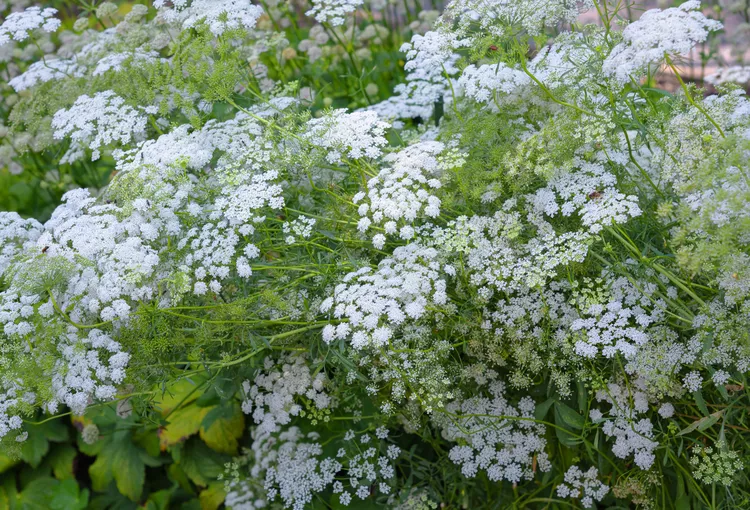
Queen Anne’s Lace (Daucus carota), also known as wild carrot, is a charming flowering plant that adds a natural, cottage-garden look to landscapes. Its delicate white flower clusters resemble lace and attract a wide range of beneficial pollinators, making it a favorite among gardeners. Native to Europe and Asia but widely naturalized in many parts of the world, Queen Anne’s Lace is easy to grow and requires minimal maintenance.
If you want to add a graceful, pollinator-friendly wildflower to your garden, this complete growing guide will help you plant, care for, and enjoy Queen Anne’s Lace.
Table of Contents
What Is Queen Anne’s Lace?
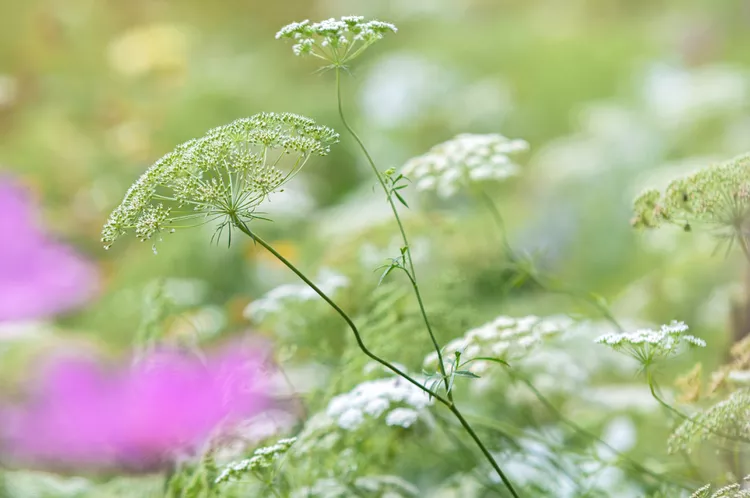
Queen Anne’s Lace is a biennial flowering plant belonging to the carrot family (Apiaceae). During its first year, it produces a rosette of fern-like leaves. In the second year, it sends up tall stems topped with large, umbrella-shaped clusters of tiny white flowers.
The plant can grow between 2 and 4 feet tall and blooms from late spring through summer. It is widely appreciated for its ornamental beauty and ability to attract bees, butterflies, and other beneficial insects.
Also Read: March Birth Flower: What Is My Flower?
Benefits of Growing Queen Anne’s Lace
There are many reasons gardeners choose to grow Queen Anne’s Lace:
- Attractive white lace-like flowers
- Excellent pollinator plant
- Low-maintenance and drought-tolerant
- Suitable for wildflower gardens and meadows
- Adds texture and height to flower beds
- Produces long-lasting cut flowers
- Self-seeds easily for continuous blooms
Ideal Growing Conditions
Providing the right growing conditions helps Queen Anne’s Lace thrive.
Sunlight
Queen Anne’s Lace grows best in full sun. It requires at least 6–8 hours of direct sunlight daily for healthy growth and abundant flowering. While it can tolerate partial shade, flowering may be reduced.
Soil
This wildflower is adaptable to various soil types but performs best in:
- Well-draining soil
- Sandy or loamy soil
- Moderately fertile ground
- Soil pH between 6.0 and 7.5
Avoid overly wet or poorly drained soils, which can lead to root problems.
Temperature
Queen Anne’s Lace grows well in temperate climates and tolerates both heat and light frost. It thrives in USDA hardiness zones 3–9.
How to Plant Queen Anne’s Lace
Step 1: Choose a Suitable Location
Select a sunny area with good drainage. Wildflower gardens, borders, meadows, and cottage gardens are ideal locations.
Step 2: Prepare the Soil
Remove weeds and loosen the soil to a depth of 6–8 inches. Mix in compost if the soil is extremely poor, though heavy fertilization is usually unnecessary.
Step 3: Sow Seeds
Queen Anne’s Lace is typically grown from seed.
- Sow seeds directly outdoors in spring or fall.
- Scatter seeds lightly over the soil surface.
- Cover with a thin layer of soil (about ¼ inch).
- Water gently after planting.
Seeds usually germinate within 10–20 days under favorable conditions.
Step 4: Thin Seedlings
When seedlings are a few inches tall, thin them to about 12–18 inches apart to allow proper air circulation and growth.
Watering Requirements
Young plants need regular watering until established. Once mature, Queen Anne’s Lace becomes relatively drought-tolerant.
Watering Tips
- Water deeply but infrequently.
- Allow the soil to dry slightly between waterings.
- Reduce watering during rainy periods.
- Avoid waterlogged soil.
Established plants typically require little supplemental watering.
Fertilizing Queen Anne’s Lace
This plant generally grows well without much fertilizer.
Fertilizer Guidelines
- Apply compost before planting if needed.
- Avoid excessive nitrogen fertilizers.
- Too much fertilizer encourages foliage growth rather than flowers.
In most gardens, natural soil fertility is sufficient.
Mulching
Mulch can help conserve soil moisture and suppress weeds.
Use:
- Straw
- Shredded bark
- Leaf mulch
Apply a thin layer around plants while keeping mulch away from stems.
Pruning and Maintenance
Queen Anne’s Lace requires very little maintenance.
Deadheading
Remove spent flowers if you want to prevent excessive self-seeding. However, leaving flower heads allows the plant to reseed naturally.
Cutting Back
After flowering, cut stems back if desired to maintain a tidy appearance.
Common Pests and Diseases
Queen Anne’s Lace is generally resistant to serious pest and disease problems.
Common Pests
- Aphids
- Leafhoppers
- Caterpillars
Most infestations are minor and can be managed with insecticidal soap or a strong spray of water.
Diseases
Occasionally, plants may experience:
- Powdery mildew
- Leaf spot
- Root rot in poorly drained soil
Providing proper spacing and avoiding overwatering helps prevent these issues.
Propagation
By Seeds
Seed propagation is the easiest and most common method.
- Collect mature seed heads in late summer.
- Allow them to dry completely.
- Store seeds in a cool, dry location.
- Sow the following season.
The plant often self-seeds naturally and returns year after year.
Growing Queen Anne’s Lace in Containers
Although usually grown in garden beds, Queen Anne’s Lace can be grown in large containers.
Container Requirements
- At least 12–16 inches deep
- Drainage holes
- Well-draining potting mix
- Full sun location
Container-grown plants may require more frequent watering than garden-grown specimens.
Landscaping Uses
Queen Anne’s Lace works beautifully in many garden styles:
- Cottage gardens
- Wildflower meadows
- Pollinator gardens
- Naturalized landscapes
- Mixed perennial borders
- Cut flower arrangements
Its airy flower clusters pair well with colorful summer blooms and ornamental grasses.
Conclusion
Queen Anne’s Lace is a beautiful, easy-to-grow wildflower that brings elegance and ecological benefits to any garden. With its delicate white blooms, ability to attract pollinators, and low-maintenance nature, it is an excellent choice for beginner and experienced gardeners alike. By providing full sun, well-drained soil, and occasional watering, you can enjoy stunning displays of Queen Anne’s Lace year after year.
Frequently Asked Questions (FAQs)
1. Is Queen Anne’s Lace an annual or perennial?
Queen Anne’s Lace is typically a biennial plant. It grows leaves in the first year and flowers in the second year before producing seeds.
2. Does Queen Anne’s Lace spread easily?
Yes, it self-seeds readily and can spread throughout gardens if flower heads are left to mature.
3. Can Queen Anne’s Lace grow in poor soil?
Yes, it thrives in moderately poor, well-drained soils and often performs better without heavy fertilization.
4. Is Queen Anne’s Lace drought-tolerant?
Once established, it is fairly drought-tolerant and requires minimal watering.
5. When does Queen Anne’s Lace bloom?
The plant usually blooms from late spring through summer, depending on local climate conditions.
6. Does Queen Anne’s Lace attract pollinators?
Yes, it attracts bees, butterflies, hoverflies, and many other beneficial insects.
7. Can I grow Queen Anne’s Lace in containers?
Yes, large containers with good drainage and full sun exposure can successfully support Queen Anne’s Lace.
8. Is Queen Anne’s Lace invasive?
In some regions, it can spread aggressively through self-seeding. Check local regulations and monitor seed production if necessary.
Also Read: Care for Queen Anne’s Lace