How to Grow Swiss Chard: A Complete Guide to Bountiful, Nutritious Greens
Swiss chard (Beta vulgaris subsp. vulgaris) is a vibrant, nutrient-packed leafy green that deserves a permanent spot in every garden. Often overshadowed by kale and spinach, Swiss chard is actually a powerhouse—offering bold colors, delicious flavor, and remarkable resilience. Whether you’re a seasoned gardener or just starting, growing Swiss chard is one of the most rewarding and low-maintenance ways to add fresh, homegrown greens to your table.
In this comprehensive guide, we’ll walk you through everything you need to know how to grow Swiss chard successfully—from selecting the right variety and preparing your soil, to planting, caring for, and harvesting your crop. Backed by horticultural research and real-world gardening experience, this guide is designed to help you grow lush, flavorful chard all season long.
Table of Contents
Also follow How to Style Plants on a Dining Table: Elevate Your Dining Space with Greenery
Why Grow Swiss Chard?
Before we dive into the how, let’s talk about the why.
Nutritional Powerhouse: Swiss chard is rich in vitamins A, C, and K, as well as magnesium, potassium, iron, and fiber. A single cup of cooked chard provides over 300% of your daily vitamin K needs and is loaded with antioxidants like beta-carotene and lutein.
Ornamental & Edible: With its rainbow stems—red, yellow, orange, pink, and white—Swiss chard is as beautiful as it is delicious. It’s often grown as an ornamental edible, adding color to garden beds, containers, and borders.
Cold and Heat Tolerant: Unlike many leafy greens that bolt quickly in summer heat, Swiss chard is a biennial plant that thrives in both cool and warm seasons. It can handle light frosts and continues producing well into fall—and even winter in mild climates.
Low Maintenance: Chard is relatively pest-resistant, drought-tolerant once established, and doesn’t require heavy feeding or complex care.
Continuous Harvest: Unlike lettuce, which you harvest once, Swiss chard grows from the center, allowing you to harvest outer leaves over weeks or months—a practice known as “cut-and-come-again.”
Step-by-Step Guide How to Grow Swiss Chard
Step 1: Select the Appropriate Variety
Swiss chard comes in several colorful and flavorful varieties. Choose based on your climate, garden space, and culinary preferences.
Popular Varieties:
- ‘Bright Lights’ – The most popular rainbow chard, with multicolored stems (red, yellow, pink, orange). Fast-growing and visually stunning. Ideal for containers.
- ‘Fordhook Giant’ – A classic green chard with white stems. Cold-tolerant, vigorous, and excellent for cooking. Developed by the USDA in the 1930s and still a favorite.
- ‘Ruby Red’ – Deep red stems and veins with dark green leaves. Adds a bold pop of color to dishes and gardens.
- ‘Rhubarb Chard’ – Deep red stems resembling rhubarb, with a slightly more tart flavor. Great for sautéing.
- ‘Lucullus’ – A heat-tolerant, open-pollinated variety with green stems. Excellent for warm climates.
Pro Tip: For continuous color and harvest, plant a mix of varieties. ‘Bright Lights’ is especially great for beginners.
Step 2: When and Where to Plant for Best Growth
Timing:
- Spring: Direct sow seeds 2–4 weeks before your last frost date. Chard germinates best in soil temperatures between 50–85°F (10–30°C). Ideal soil temp for germination: 60–70°F (15–21°C).
- Fall: Plant 4–6 weeks before the first expected frost. In mild climates (USDA zones 8–10), you can grow chard year-round.
- Indoor Start (Optional): Start seeds indoors 3–4 weeks before transplanting. Use biodegradable pots to avoid disturbing roots during transplanting.
Location:
- Sunlight: Full sun (6+ hours per day) is ideal, but chard tolerates partial shade (3–5 hours), especially in hot climates. In full sun, growth is faster; in shade, leaves may be more tender.
- Soil: Chard thrives in well-drained, fertile soil with a pH between 6.0 and 7.0. Amend heavy clay or sandy soils with compost or aged manure to improve texture and nutrient content.
- Spacing: Space plants 12–18 inches apart in rows 18–24 inches apart. For container gardening, use pots at least 12 inches deep and wide.
Research Note: According to the University of California Agriculture and Natural Resources, Swiss chard performs best in loamy soils rich in organic matter. A soil test is recommended to check pH and nutrient levels before planting.
Step 3: It’s Time to Plant Swiss Chard
Direct Seeding (Recommended):
- Loosen the soil to a depth of 8–12 inches.
- Sow seeds ½ inch deep, 3–4 inches apart.
- Thin seedlings to 12–18 inches apart once they reach 2–3 inches tall. Use thinned seedlings in salads!
- Water gently after planting.
Transplanting:
- Harden off seedlings over 7–10 days.
- Transplant on a cloudy day or in the evening to reduce stress.
- Plant at the same depth as in the pot—do not bury the crown.
Succession Planting:
To extend your harvest, plant new seeds every 3–4 weeks throughout spring and early summer. This prevents a glut and ensures a steady supply.
Step 4: Follow These Guidelines for Proper Care and Maintenance.
Watering:
- Keep soil consistently moist but not waterlogged. Chard needs 1–1.5 inches of water per week, more during hot, dry periods.
- Water at the base to prevent fungal diseases. Drip irrigation or soaker hoses are ideal.
- Mulch with straw, shredded leaves, or compost to retain moisture and suppress weeds.
Fertilizing:
- Chard is a moderate feeder. Before planting, mix in 2–3 inches of compost or a balanced organic fertilizer (e.g., 10-10-10).
- Side-dress with compost or a nitrogen-rich fertilizer (like fish emulsion) 4–6 weeks after planting to encourage leaf growth.
- Avoid over-fertilizing with nitrogen, which can lead to excessive leafy growth and reduced stem quality.
Weeding:
- Keep the area weed-free, especially in the first 4–6 weeks. Weeds compete for nutrients and water.
- Use mulch to suppress weeds and reduce hand-weeding.
Pest & Disease Management:
- Common Pests: Aphids, leafminers, flea beetles, and slugs.
- Prevention: Use floating row covers early in the season.
- Control: Spray with insecticidal soap or neem oil. Hand-pick slugs at night.
- Diseases: Cercospora leaf spot, downy mildew (rare).
- Prevention: Rotate crops, avoid overhead watering, and ensure good air circulation.
- Treatment: Remove infected leaves and apply copper-based fungicides if needed.
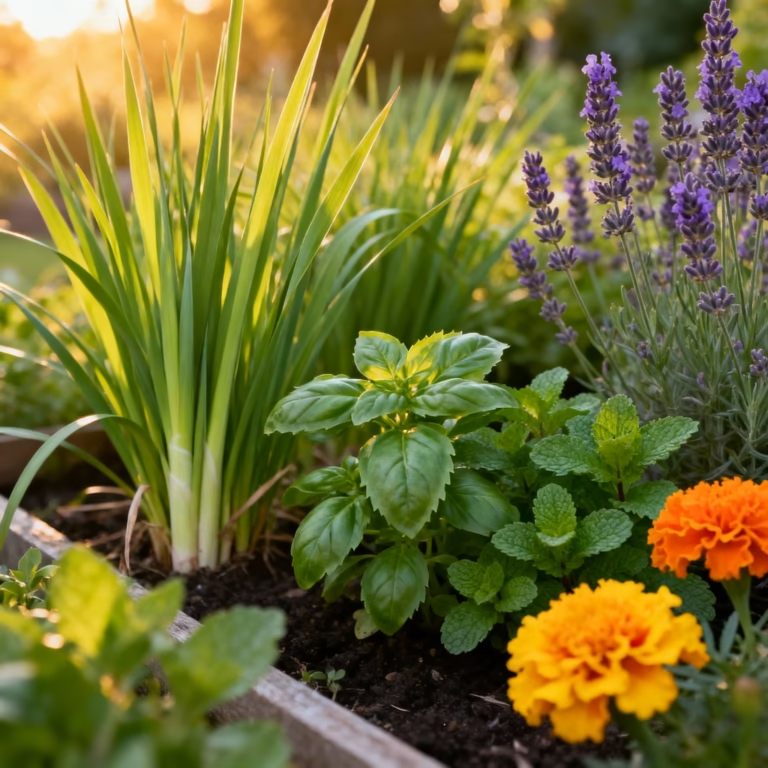
Research Insight: A 2020 study by Cornell University found that intercropping chard with companion plants like onions, garlic, or marigolds reduced aphid infestations by up to 60%, thanks to natural repellent compounds.
Step 5: Harvesting Swiss Chard
When to Harvest:
- Begin harvesting 30–40 days after planting when leaves are 6–8 inches long.
- For baby greens, harvest at 3–4 inches.
How to Harvest:
- Use the “cut-and-come-again” method: Snip or pinch off the outer leaves at the base, leaving the inner leaves and crown intact.
- Harvest every 1–2 weeks to encourage new growth.
- Never remove more than 1/3 of the plant at once.
Stem Harvest:
- Stems can be harvested along with leaves. Cut larger stems at the base and use in stir-fries, soups, or roasted dishes.
- Smaller, tender stems are great raw in salads.
End of Season:
- In fall, mulch heavily to protect plants from hard frosts. In mild climates, chard may survive winter and resume growth in spring.
- In colder zones, harvest before hard freezes (below 25°F / -4°C), which can kill the plant.
Step 6: How to Store and Use Swiss Chard
- Refrigeration: Store unwashed chard in a plastic bag in the crisper drawer for up to 5–7 days.
- Freezing: Blanch leaves and stems for 2 minutes, then plunge into ice water. Dry, pack in airtight containers, and freeze for up to 12 months.
- Culinary Uses: Saute with garlic, steam, add to soups, blend into smoothies, roast with olive oil, or use raw in salads (young leaves only).
Flavor Tip: The stems take longer to cook than leaves. Chop and sauté or roast them first, then add leaves at the end.
Common Challenges & Solutions you may face
| Challenge | Solution |
|---|---|
| Bolting (going to seed) | Caused by high heat or long daylight. Harvest early in the day, keep soil cool with mulch, and choose bolt-resistant varieties like ‘Lucullus’. |
| Yellowing leaves | Often due to overwatering, poor drainage, or nutrient deficiency (especially nitrogen). Check soil moisture and fertilize if needed. |
| Small, slow growth | Improve soil fertility, ensure adequate sunlight, and maintain consistent watering. |
| Bitter taste | Caused by heat stress or drought. Harvest in the morning, water regularly, and pick young leaves. |
Chard in Containers: Is It Possible
Perfect for patios, balconies, or small spaces:
- Use a 12-inch pot with drainage holes.
- Fill with high-quality potting mix (not garden soil).
- Plant 3–4 seeds per pot, thin to 1–2 strongest plants.
- Water more frequently (containers dry out faster).
- Fertilize every 3–4 weeks with a liquid organic fertilizer.
Final Thoughts: A Garden Staple Worth Growing
Swiss chard is more than just a leafy green—it’s a resilient, colorful, and nutritious crop that rewards gardeners with months of harvest. Whether you’re growing it in a backyard plot, raised bed, or container, its adaptability and low maintenance make it ideal for beginners and experts alike.
With proper soil prep, consistent moisture, and regular harvesting, you’ll enjoy vibrant, homegrown chard from spring through fall—and possibly beyond. Plus, your garden will look as good as your meals taste.
So grab some seeds, prepare your soil, and get ready to grow one of nature’s most underrated superfoods. Your body (and your taste buds) will thank you.
Also read How to Grow Swiss Chard: The Vibrant, Easy-to-Grow Supergreen Your Garden Needs