Oak Leaf Hydrangea Planting Guide
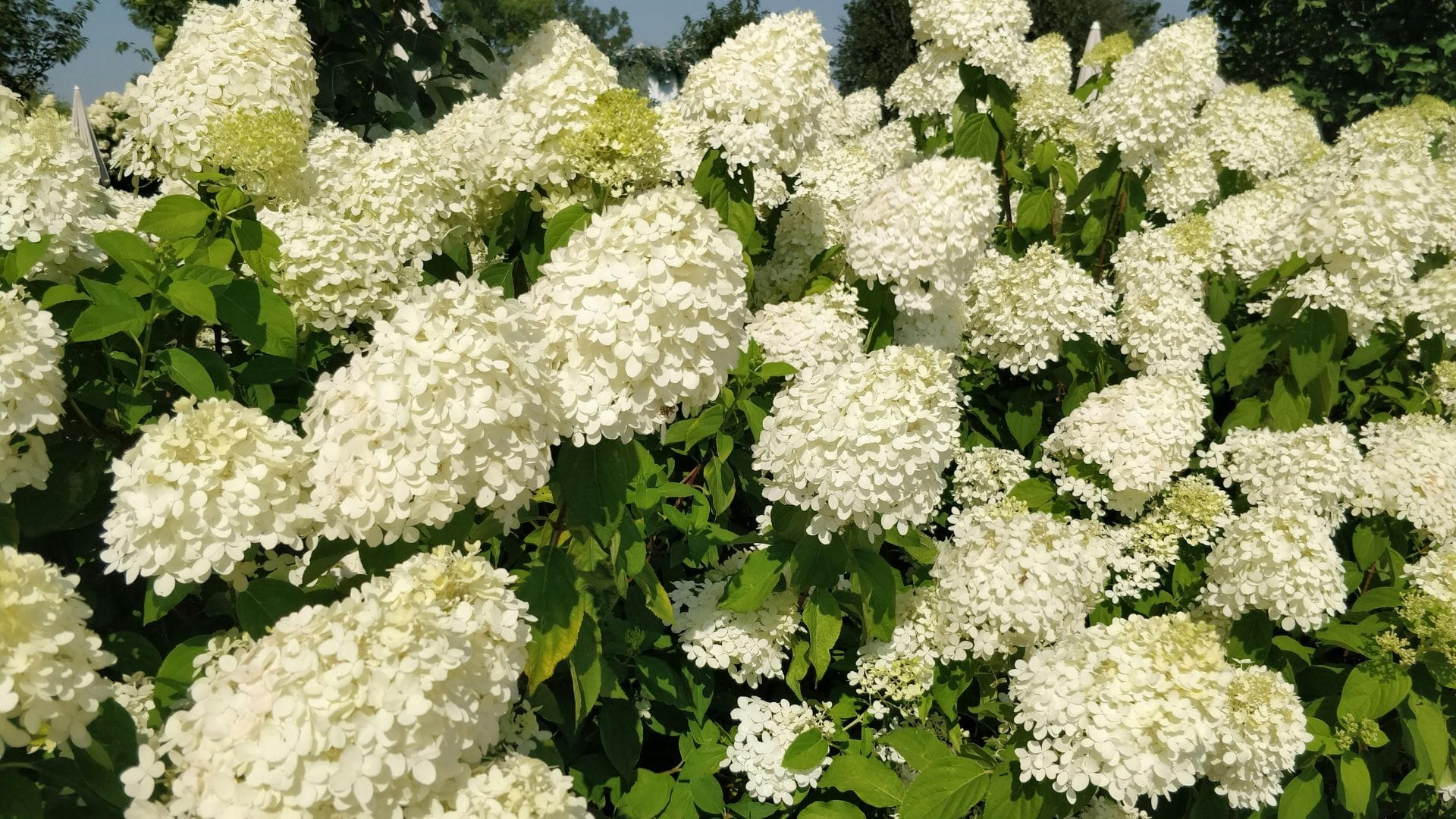
Oak Leaf Hydrangea is one of the most beautiful flowering shrubs for home gardens. Known for its large cone-shaped flower clusters, distinctive oak-shaped leaves, and spectacular fall color, this plant offers year-round interest. Native to the southeastern United States, Oakleaf Hydrangea is relatively easy to grow and can thrive for many years with proper care.
Whether you’re a beginner gardener or an experienced landscaper, this guide will help you successfully plant and grow Oak Leaf Hydrangea.
Table of Contents
What Is Oak Leaf Hydrangea?
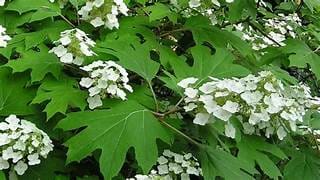
Oak Leaf Hydrangea (Hydrangea quercifolia) is a deciduous flowering shrub that belongs to the hydrangea family. Unlike many hydrangea varieties, it features deeply lobed leaves that resemble oak tree foliage. The plant produces large white flower panicles in late spring and summer, which gradually age to pink or bronze shades.
In autumn, the leaves turn brilliant shades of red, orange, burgundy, and purple, making Oak Leaf Hydrangea a standout landscape plant.
Also Read: Ghost Chilli Cultivation Guide
Benefits of Growing Oak Leaf Hydrangea
Gardeners love Oak Leaf Hydrangea for several reasons:
- Attractive flowers that bloom for months
- Beautiful fall foliage colors
- Easy maintenance requirements
- Tolerance of partial shade
- Good resistance to pests and diseases
- Year-round ornamental appeal
- Excellent choice for woodland gardens and borders
Oak Leaf Hydrangea Planting: Step-by-Step Guide
| Step | What to Do | Short Description |
|---|---|---|
| 1 | Choose a Location | Select a spot with morning sun and afternoon shade. |
| 2 | Prepare the Soil | Use fertile, well-draining soil enriched with compost. |
| 3 | Dig the Hole | Dig a hole twice as wide as the root ball and equally deep. |
| 4 | Place the Plant | Set the plant in the hole with the root ball level with the soil surface. |
| 5 | Backfill Soil | Fill the hole with soil and gently firm around the roots. |
| 6 | Water Thoroughly | Water deeply immediately after planting. |
| 7 | Apply Mulch | Add a 2–3 inch layer of mulch around the base. |
| 8 | Water Regularly | Keep the soil consistently moist during the first growing season. |
| 9 | Fertilize in Spring | Apply a balanced slow-release fertilizer once a year. |
| 10 | Prune After Blooming | Remove dead or damaged branches after flowering. |
Best Time to Plant Oak Leaf Hydrangea
The ideal time to plant Oak Leaf Hydrangea is during:
- Early spring after the danger of frost has passed
- Fall when temperatures are cooler and soil remains warm
Planting during these seasons allows the roots to establish before facing extreme summer heat or winter cold.
Choosing the Right Planting Location
Selecting the proper location is crucial for healthy growth.
Sunlight Requirements
Oak Leaf Hydrangea performs best in:
- Morning sun with afternoon shade
- Partial shade conditions
- Dappled sunlight under large trees
In cooler climates, the shrub can tolerate more sunlight. In warmer regions, protection from harsh afternoon sun helps prevent leaf scorch.
Soil Requirements
This shrub prefers:
- Rich, fertile soil
- Well-draining conditions
- Slightly acidic soil pH
- Moist but not waterlogged soil
Adding organic matter such as compost improves soil quality and moisture retention.
How to Plant Oak Leaf Hydrangea
Follow these simple planting steps:
Step 1: Prepare the Planting Hole
Dig a hole that is:
- Twice as wide as the root ball
- Equal in depth to the root ball
Avoid planting too deeply, as this can stress the plant.
Step 2: Improve the Soil
Mix compost, aged manure, or leaf mold into the excavated soil to enhance fertility and drainage.
Step 3: Position the Plant
Place the shrub in the center of the hole. The top of the root ball should sit level with the surrounding soil surface.
Step 4: Backfill the Hole
Fill the hole with the amended soil and gently firm it around the roots to remove air pockets.
Step 5: Water Thoroughly
Water deeply after planting to help settle the soil and encourage root establishment.
Step 6: Apply Mulch
Spread a 2–3 inch layer of organic mulch around the base while keeping it away from the stem. Mulch conserves moisture and suppresses weeds.
Watering Requirements
Newly planted Oak Leaf Hydrangeas need regular watering.
Newly Planted Shrubs
- Water deeply 2–3 times per week
- Keep soil consistently moist
Established Plants
- Water during dry periods
- Provide about 1 inch of water weekly
Avoid overwatering, which may lead to root rot.
Fertilizing Oak Leaf Hydrangea
Oak Leaf Hydrangea is not a heavy feeder.
For best results:
- Apply a balanced slow-release fertilizer in early spring
- Use compost annually to enrich the soil
- Avoid excessive nitrogen, which may reduce flowering
Healthy soil often provides enough nutrients for vigorous growth.
Pruning Tips
Proper pruning helps maintain shape and encourages flowering.
Since Oak Leaf Hydrangea blooms on old wood, pruning should be done immediately after flowering.
Remove:
- Dead branches
- Damaged stems
- Weak growth
- Spent flower heads if desired
Avoid heavy pruning in late winter or early spring because it may remove flower buds.
Common Problems and Solutions
Leaf Scorch
Cause: Excessive sunlight or drought.
Solution: Provide afternoon shade and maintain consistent soil moisture.
Root Rot
Cause: Poor drainage or overwatering.
Solution: Improve soil drainage and reduce watering frequency.
Powdery Mildew
Cause: High humidity and poor air circulation.
Solution: Space plants properly and avoid wetting foliage when watering.
Few Flowers
Cause: Excessive pruning or insufficient sunlight.
Solution: Prune only after flowering and provide adequate light.
Landscaping Uses
Oak Leaf Hydrangea is highly versatile in landscape design.
Popular uses include:
- Woodland gardens
- Mixed shrub borders
- Foundation plantings
- Shade gardens
- Privacy screens
- Accent specimens
- Naturalized landscapes
Its impressive flowers and colorful foliage make it a focal point throughout the year.
Popular Oak Leaf Hydrangea Varieties
Some attractive cultivars include:
| Variety | Mature Height | Features |
|---|---|---|
| Snow Queen | 4–6 feet | Large upright blooms |
| Snowflake | 4–6 feet | Double flowers |
| Ruby Slippers | 3–4 feet | Compact size and pink blooms |
| Pee Wee | 3–4 feet | Dwarf variety |
| Gatsby Moon | 5–6 feet | Huge flower clusters |
Conclusion
Oak Leaf Hydrangea is an exceptional shrub that brings beauty to gardens in every season. Its elegant white flowers, colorful autumn foliage, and attractive peeling bark make it one of the most rewarding landscape plants.
By choosing the right location, providing consistent moisture, and following basic maintenance practices, gardeners can enjoy healthy growth and abundant blooms for many years.\
Frequently Asked Questions (FAQ)
1. How much sun does Oak Leaf Hydrangea need?
Oak Leaf Hydrangea grows best in partial shade, receiving morning sun and afternoon shade.
2. How fast does Oak Leaf Hydrangea grow?
It typically grows at a moderate rate of about 1–2 feet per year under ideal conditions.
3. Can Oak Leaf Hydrangea grow in full shade?
Yes, it can tolerate full shade, but flowering may be reduced compared to plants receiving some sunlight.
4. When does Oak Leaf Hydrangea bloom?
Most varieties bloom from late spring through summer.
5. Do I need to prune Oak Leaf Hydrangea every year?
No. Minimal pruning is usually sufficient unless you need to remove dead or damaged branches.
6. Is Oak Leaf Hydrangea drought-tolerant?
Once established, it has moderate drought tolerance but performs best with regular moisture.
7. Can Oak Leaf Hydrangea be grown in containers?
Yes, compact varieties such as Ruby Slippers and Pee Wee can grow successfully in large containers.
8. Are Oak Leaf Hydrangeas deer-resistant?
They are somewhat deer-resistant, but hungry deer may still browse the foliage and flowers.
9. What is the mature size of Oak Leaf Hydrangea?
Most varieties grow between 4 and 8 feet tall and wide, depending on the cultivar.
10. Why are my Oak Leaf Hydrangea leaves turning brown?
Brown leaves are often caused by drought stress, excessive sunlight, or inconsistent watering. Proper moisture and partial shade usually solve the problem.
Also Read: Oakleaf Hydrangea – The Ultimate Growing Guide from Proven Winners®