How to Grow, and Care for ‘Granny Smith’ Apple Trees
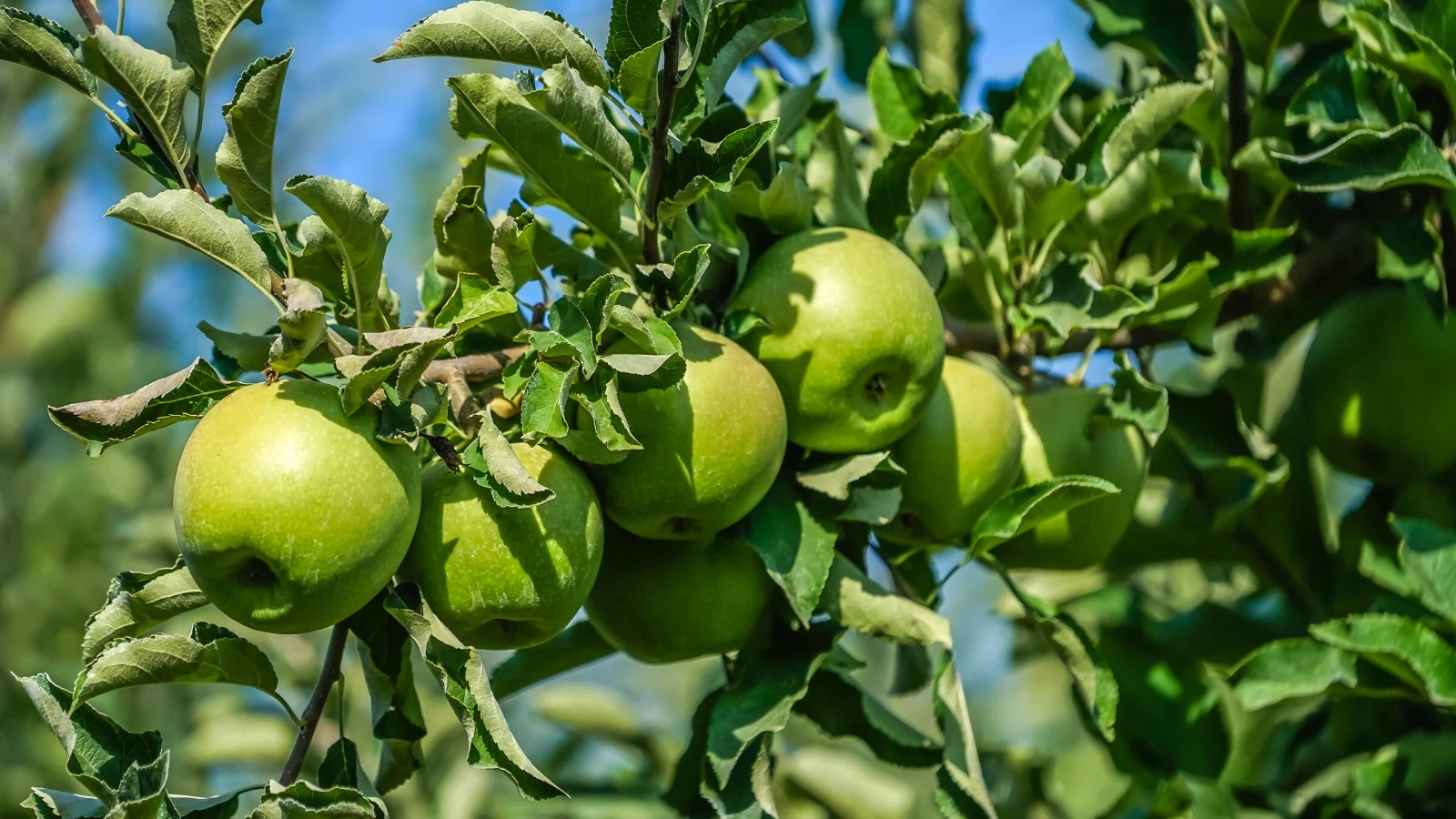
Few apple varieties are as recognizable as the crisp, tart, and bright green Granny Smith apple. Known for its refreshing flavor and excellent storage life, this apple variety is a favorite among home gardeners and commercial growers alike. Whether you want fresh apples for snacking, baking, or making juice, growing a Granny Smith apple tree can be a rewarding experience.
In this guide, you’ll learn everything about planting, growing, and caring for Granny Smith apple trees to enjoy healthy harvests year after year.
Table of Contents
What Is a Granny Smith Apple Tree?
The Granny Smith apple tree is a popular apple variety that originated in Australia during the 1860s. It produces medium-to-large green apples with firm flesh and a distinctive tart flavor. The trees are vigorous growers and can live for decades when properly maintained.
Granny Smith apples are widely used in pies, salads, sauces, and fresh eating because they retain their texture and flavor even after cooking.
Also Read: Ultimate Rooibos Tea Plant Cultivation Guide
Benefits of Growing Granny Smith Apple Trees
Growing a Granny Smith apple tree offers several advantages:
- Produces large quantities of fruit.
- Apples store well for several months.
- Excellent for cooking and baking.
- Trees are relatively easy to maintain.
- Attractive spring blossoms enhance garden beauty.
- Long productive lifespan.
Ideal Growing Conditions
Before planting, it is important to understand the tree’s growing requirements.
Sunlight
Granny Smith apple trees require 6–8 hours of direct sunlight daily. Full sun exposure encourages healthy growth, flowering, and fruit production.
Climate
These trees grow best in USDA Hardiness Zones 5–9. They prefer regions with mild winters and warm summers.
Soil
For best results, plant in:
- Well-drained soil
- Loamy or sandy-loam soil
- Soil pH between 6.0 and 7.0
Avoid areas where water collects after rain, as excessive moisture can lead to root diseases.
Also Read: Ghost Chilli Cultivation Guide
How to Plant a Granny Smith Apple Tree
Step 1: Choose the Right Location
Select a sunny site with good air circulation and enough room for the tree to mature.
Step 2: Dig the Planting Hole
Dig a hole:
- Twice as wide as the root ball
- Equal to the root ball depth
Loosen the surrounding soil to help roots spread easily.
Step 3: Prepare the Tree
Inspect the roots and remove any damaged or broken sections before planting.
Step 4: Plant the Tree
Place the tree in the hole with the graft union sitting a few inches above the soil line. Fill the hole with soil and gently firm it around the roots.
Step 5: Water Thoroughly
Water deeply after planting to eliminate air pockets and help establish roots.
Also Read: How to Grow Lucky Bamboo in Water
Step 6: Apply Mulch
Spread 2–4 inches of organic mulch around the base, keeping it several inches away from the trunk.
Pollination Requirements
Granny Smith apple trees are not fully self-fertile and typically produce better harvests when planted near another apple variety for cross-pollination.
Suitable pollination partners include:
- Golden Delicious
- Fuji
- Gala
- Honeycrisp
Plant pollinating trees within 50–100 feet for optimal fruit set.
Watering Needs
Young trees require regular watering during their first few years.
Young Trees
- Water deeply once or twice per week.
- Keep soil consistently moist but not soggy.
Mature Trees
- Water during prolonged dry periods.
- Increase watering during flowering and fruit development.
Deep watering encourages stronger root systems and healthier trees.
Fertilizing Granny Smith Apple Trees
Proper nutrition promotes vigorous growth and abundant fruit production.
Fertilizer Schedule
- Apply balanced fertilizer in early spring.
- Use compost or well-rotted manure annually.
- Avoid excessive nitrogen, which encourages leafy growth at the expense of fruit.
Always follow fertilizer recommendations based on soil test results.
Pruning for Healthy Growth
Pruning is essential for maintaining tree shape, improving air circulation, and maximizing fruit production.
When to Prune
The best time to prune is during late winter or early spring before new growth begins.
Pruning Tips
- Remove dead, diseased, or damaged branches.
- Eliminate crossing branches.
- Thin crowded areas.
- Maintain an open canopy to improve sunlight penetration.
Regular pruning helps reduce disease problems and improves fruit quality.
Common Pests and Diseases
Although relatively hardy, Granny Smith apple trees can face several challenges.
Common Pests
- Aphids
- Codling moths
- Apple maggots
- Spider mites
Common Diseases
- Apple scab
- Powdery mildew
- Fire blight
- Cedar apple rust
Prevention Tips
- Remove fallen leaves and fruit.
- Prune regularly for airflow.
- Monitor trees frequently.
- Use appropriate organic or chemical controls when necessary.
Early detection is key to preventing serious infestations.
Harvesting Granny Smith Apples
Granny Smith apples typically ripen in late autumn.
Signs of Ripeness
- Bright green color
- Firm texture
- Full size
- Easy separation from branches
Gently twist apples from the tree rather than pulling them.
Storing Granny Smith Apples
One of the biggest advantages of Granny Smith apples is their exceptional storage life.
For best storage:
- Keep apples in a cool, dark location.
- Store at temperatures between 30°F and 40°F (-1°C to 4°C).
- Maintain moderate humidity.
Properly stored apples can remain fresh for several months.
Growing Granny Smith Apple Trees in Containers
If garden space is limited, dwarf Granny Smith trees can thrive in large containers.
Container-growing tips:
- Use a pot at least 20–24 inches wide.
- Ensure excellent drainage.
- Use high-quality potting mix.
- Water more frequently than in-ground trees.
- Fertilize regularly during the growing season.
Container-grown trees are ideal for patios and small gardens.
Conclusion
Granny Smith apple trees are an excellent choice for home gardeners seeking a productive, attractive, and long-lived fruit tree. With proper planting, adequate sunlight, regular watering, pruning, and pest management, these trees can provide abundant harvests of crisp, tart apples for many years. Whether grown in a backyard orchard or a large container, Granny Smith apple trees reward gardeners with delicious fruit and beautiful spring blossoms.
Frequently Asked Questions (FAQs)
1. How long does it take a Granny Smith apple tree to bear fruit?
Most Granny Smith apple trees begin producing fruit within 3–5 years after planting, depending on the rootstock and growing conditions.
2. Do Granny Smith apple trees need a pollinator?
Yes. Although they may produce some fruit alone, cross-pollination with another apple variety significantly improves yields.
3. How tall do Granny Smith apple trees grow?
Standard trees can reach 15–25 feet tall, while dwarf varieties typically grow 8–10 feet tall.
4. When is the best time to plant a Granny Smith apple tree?
Early spring and late fall are generally the best planting times when temperatures are moderate.
5. How often should I water a Granny Smith apple tree?
Young trees need weekly watering, while mature trees require supplemental watering during dry periods.
6. Are Granny Smith apples good for baking?
Yes. Their firm texture and tart flavor make them one of the best apples for pies, crisps, and other baked desserts.
7. Can Granny Smith apple trees grow in pots?
Yes. Dwarf Granny Smith varieties can grow successfully in large containers with proper care.
8. How long do Granny Smith apple trees live?
With proper care, healthy apple trees can live and produce fruit for 30 years or more.
Also Read: Care for ‘Granny Smith’ Apple Trees