How to Grow Mother of Thyme Plant : Ultimate guide for home gardeners
Grow Mother of Thyme Plant
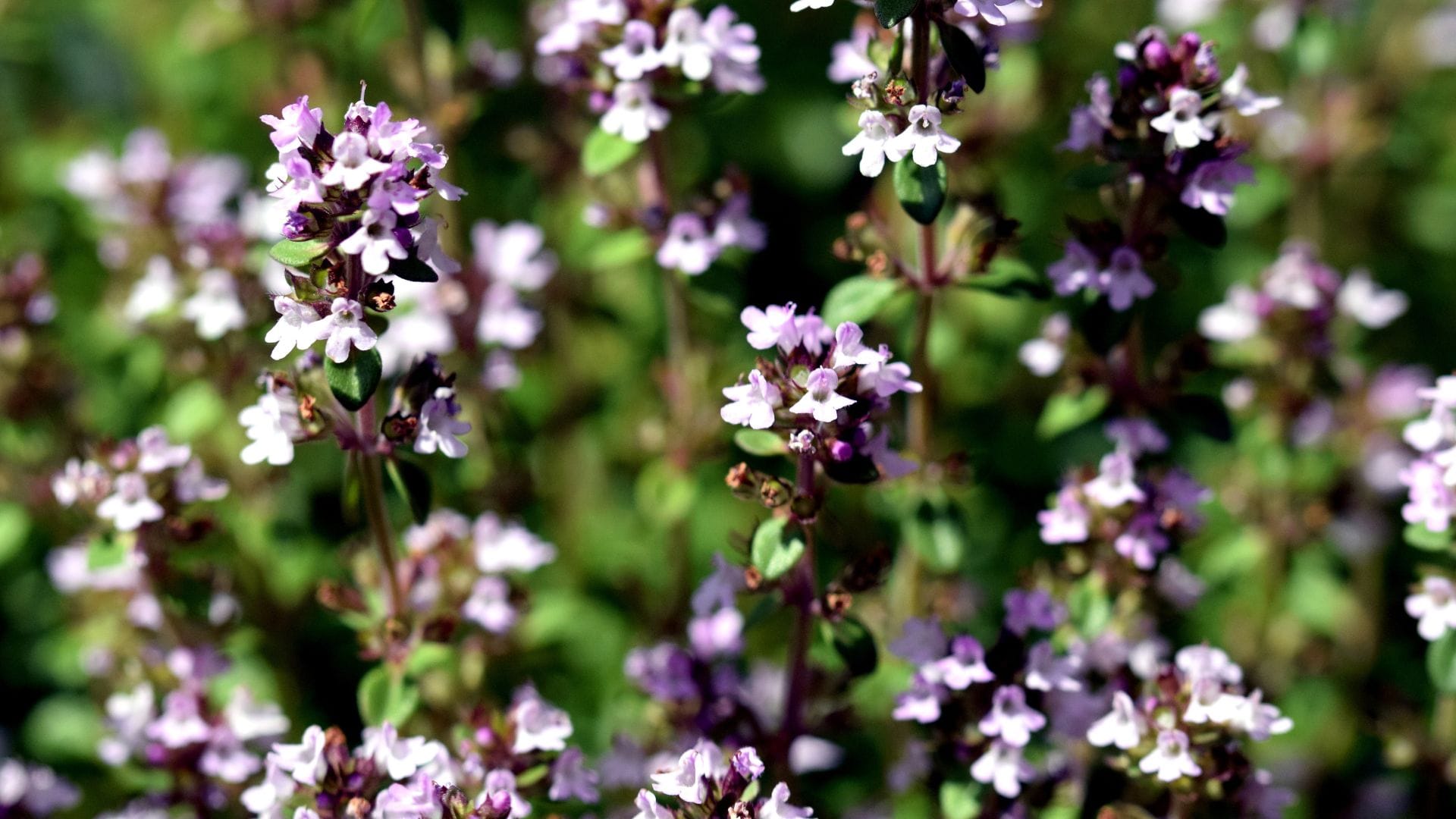
Mother of thyme is a low-growing, aromatic herb that is widely loved for its tiny leaves, delicate flowers, and ability to create a lush carpet of greenery. This hardy perennial is perfect for rock gardens, pathways, borders, and container gardens. Besides its ornamental appeal, mother of thyme attracts pollinators such as bees and butterflies while releasing a pleasant fragrance when stepped on.
If you’re looking for a drought-tolerant and easy-to-maintain ground cover, mother of thyme is an excellent choice. This guide covers everything you need to know about growing and caring for mother of thyme successfully.
Table of Contents
What Is Mother of Thyme?
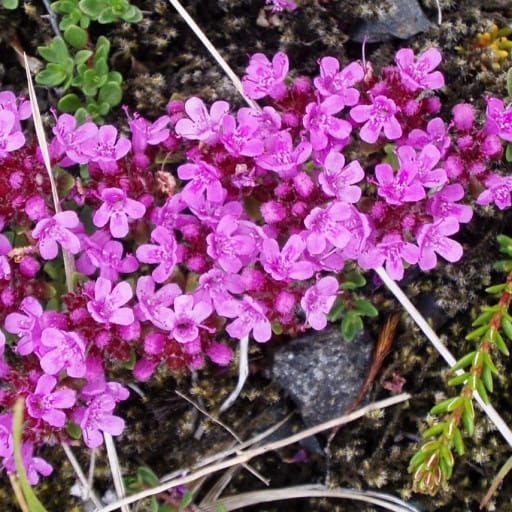
Mother of thyme (Thymus serpyllum) is a creeping variety of thyme that belongs to the mint family. Native to Europe and parts of Asia, it spreads quickly and forms dense mats of foliage. During summer, the plant produces clusters of pink, purple, or lavender flowers that add color and attract beneficial insects.
Its adaptability to poor soils and dry conditions makes it a favorite among gardeners seeking a low-maintenance landscape plant.
Also Read: Amazing Wandering Jew Plant Cultivation Guide
Benefits of Growing Mother of Thyme
Here are some reasons to add mother of thyme to your garden:
- Excellent ground cover plant
- Drought tolerant once established
- Attracts bees and butterflies
- Produces fragrant foliage
- Helps suppress weeds
- Suitable for rock gardens and pathways
- Requires minimal maintenance
- Deer and rabbit resistant
Ideal Growing Conditions
Sunlight
Mother of thyme thrives in full sun. Provide at least 6–8 hours of direct sunlight daily for healthy growth and abundant flowering.
Temperature
The plant grows best in temperatures between 15°C and 30°C. It is cold-hardy and can survive light frosts once established.
Soil
Well-draining soil is essential. Sandy or rocky soil works best, as excessive moisture can cause root rot. A soil pH between 6.0 and 8.0 is ideal.
How to Plant Mother of Thyme
Growing from Seeds
- Start seeds indoors 6–8 weeks before the last frost date.
- Fill seed trays with a light seed-starting mix.
- Scatter seeds on the surface and gently press them into the soil.
- Mist lightly with water.
- Keep the soil moist until germination.
- Seeds usually germinate within 14–28 days.
Growing from Cuttings
- Take a 4–6-inch cutting from a healthy plant.
- Remove leaves from the lower half.
- Place the cutting in moist potting mix.
- Keep it in a bright location away from direct sunlight.
- Roots generally develop within a few weeks.
Also Read: Ultimate Rooibos Tea Plant Cultivation Guide
Transplanting
When seedlings or rooted cuttings are ready, plant them 8–12 inches apart. Water thoroughly after planting.
Watering Requirements
Mother of thyme prefers moderate watering during establishment. Once mature, it becomes highly drought tolerant.
- Water young plants regularly.
- Allow the soil to dry slightly between waterings.
- Avoid waterlogged conditions.
- Reduce watering during rainy seasons.
Overwatering is one of the most common reasons for plant failure.
Fertilizing Mother of Thyme
This herb does not require heavy feeding.
- Apply compost before planting.
- Use a balanced fertilizer once in spring if needed.
- Avoid excessive nitrogen, which can reduce fragrance and flowering.
In most garden soils, mother of thyme grows well without additional fertilizer.
Mulching Tips
A light layer of gravel or small stones around the plant can help:
- Improve drainage
- Reduce weed growth
- Prevent soil splash
- Enhance the appearance of the garden
Avoid thick organic mulch, as it may retain too much moisture.
Pruning and Maintenance
Regular pruning keeps the plant compact and attractive.
- Trim lightly after flowering.
- Remove dead or damaged stems.
- Cut back overgrown sections in early spring.
Pruning encourages fresh growth and helps maintain a dense ground cover.
Common Pests and Diseases
Mother of thyme is relatively pest-resistant, but occasional problems may occur.
Pests
- Aphids
- Spider mites
A strong spray of water or insecticidal soap usually controls these pests.
Diseases
- Root rot
- Fungal diseases caused by poor drainage
To prevent diseases:
- Avoid overwatering
- Ensure good air circulation
- Plant in well-drained soil
Harvesting Mother of Thyme
You can harvest leaves throughout the growing season.
- Use clean scissors to cut stems.
- Harvest in the morning for the best flavor and fragrance.
- Avoid removing more than one-third of the plant at a time.
Fresh or dried leaves can be used in herbal preparations, teas, and fragrant garden displays.
Propagating Mother of Thyme
Mother of thyme can be propagated through:
- Seeds
- Stem cuttings
- Division of mature plants
Division is often the fastest method. Simply dig up a mature clump, separate it into smaller sections, and replant.
Landscaping Uses
Mother of thyme is highly versatile in garden design.
Popular uses include:
- Ground cover for sunny areas
- Between stepping stones
- Rock gardens
- Border edging
- Pollinator gardens
- Container plantings
- Slopes and erosion control
Its colorful flowers and fragrant foliage make it a standout addition to any landscape.
Conclusion
Mother of thyme is an easy-to-grow perennial that offers beauty, fragrance, and functionality. With full sun, well-draining soil, and minimal watering, this resilient herb can thrive for years. Whether used as a ground cover, pathway plant, or pollinator-friendly addition to your garden, mother of thyme rewards gardeners with lush growth and charming blooms. By following the proper planting and care techniques, you can enjoy a healthy and attractive thyme carpet throughout the growing season.
Frequently Asked Questions (FAQ)
1. How long does mother of thyme take to grow?
Seeds typically germinate within 2–4 weeks, while plants become established within one growing season.
2. Does mother of thyme need full sun?
Yes, it grows best with at least 6–8 hours of direct sunlight daily.
3. Is mother of thyme drought tolerant?
Yes, once established, it can tolerate dry conditions very well.
4. Can mother of thyme be grown in pots?
Absolutely. Use containers with drainage holes and a well-draining potting mix.
5. How often should I water mother of thyme?
Water regularly during establishment, then only when the soil becomes dry.
6. Does mother of thyme attract pollinators?
Yes, its flowers attract bees, butterflies, and other beneficial insects.
7. Can I walk on mother of thyme?
Yes, it tolerates light foot traffic and releases a pleasant fragrance when stepped on.
8. Why is my mother of thyme turning brown?
Common causes include overwatering, poor drainage, or insufficient sunlight.
9. When is the best time to plant mother of thyme?
Spring and early fall are the best times for planting.
10. Is mother of thyme invasive?
No, it spreads gradually and is generally easy to manage in garden landscapes.
Also Read: Mother Of Thyme