When Should You Repot a Jade Plant?
When Should You Repot a Jade Plant?
Jade plants (Crassula ovata) are popular houseplants known for their thick, glossy leaves and easy-care nature. While they don’t require frequent repotting like some fast-growing plants, knowing when to repot your jade plant is essential for its long-term health. Repotting at the right time helps refresh the soil, prevent root crowding, and encourage healthy growth.
In this guide, we’ll explore the signs, timing, and tips for repotting a jade plant successfully.
Table of Contents
Why Repotting is Important for Jade Plants
Repotting gives your jade plant more room to grow, replenishes nutrients in the soil, and reduces the risk of root rot or compaction. Over time, the soil loses its ability to drain properly, which can be harmful to succulents. A fresh start helps your jade thrive.
Signs Your Jade Plant Needs Repotting
Here are some clear signs that it’s time to repot your jade plant:
Roots outgrowing the pot:
If you see roots coming out of the drainage holes or circling the soil surface.
Stunted growth:
Your plant stops producing new leaves or appears unhealthy despite proper care.
Soil issues:
Soil stays soggy too long, drains poorly, or looks depleted.
Top-heavy plant:
Jade plants can become heavy and unstable in small pots.
It’s been 2–3 years:
Even if your jade looks fine, repotting every few years keeps the soil fresh.
Best Time of Year to Repot a Jade Plant
The ideal time to repot a jade plant is in spring or early summer. During this growing season, the plant quickly adapts to new soil and develops strong roots. Avoid repotting in fall or winter when the plant is dormant, as this may stress it.
Also Read:Basic Snake Plant Care for Beginner’s
How Often Should You Repot Jade Plants?
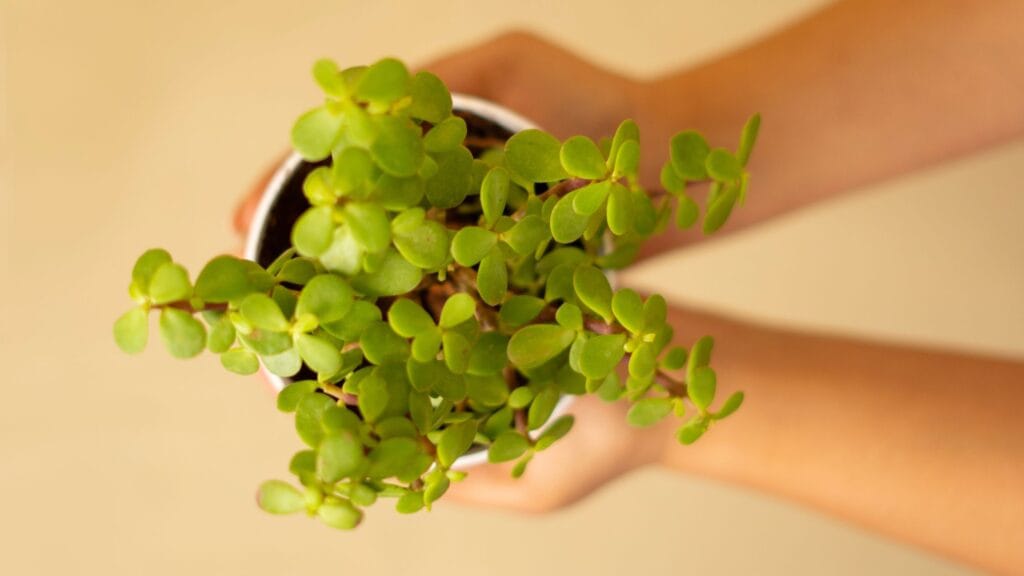
Unlike many houseplants, jade plants grow slowly and don’t need frequent repotting. On average:
Young plants (under 3 years old):
Every 2–3 years.
Mature plants (3+ years old):
Every 4–5 years, or only when necessary.
Step-by-Step: How to Repot a Jade Plant
Choose the right pot:
Use a container just 1–2 inches larger in diameter than the current pot. Terra cotta pots are excellent for jade plants because they help soil dry faster.
Prepare fresh soil:
A well-draining succulent or cactus mix is ideal. You can also add perlite or sand for extra drainage.
Remove the plant carefully:
Gently loosen the plant from its pot without damaging the roots.
Trim if needed:
Remove any dead or rotting roots with sterilized scissors.
Repot:
Place the jade in the new pot, fill with fresh soil, and gently press down around the roots.
Wait before watering:
Allow the plant to settle for a few days before watering. This prevents root rot.
Also Read: How Often Should You Water a Cherry Tree? A Complete Guide for Gardeners
Tips for Healthy Repotting
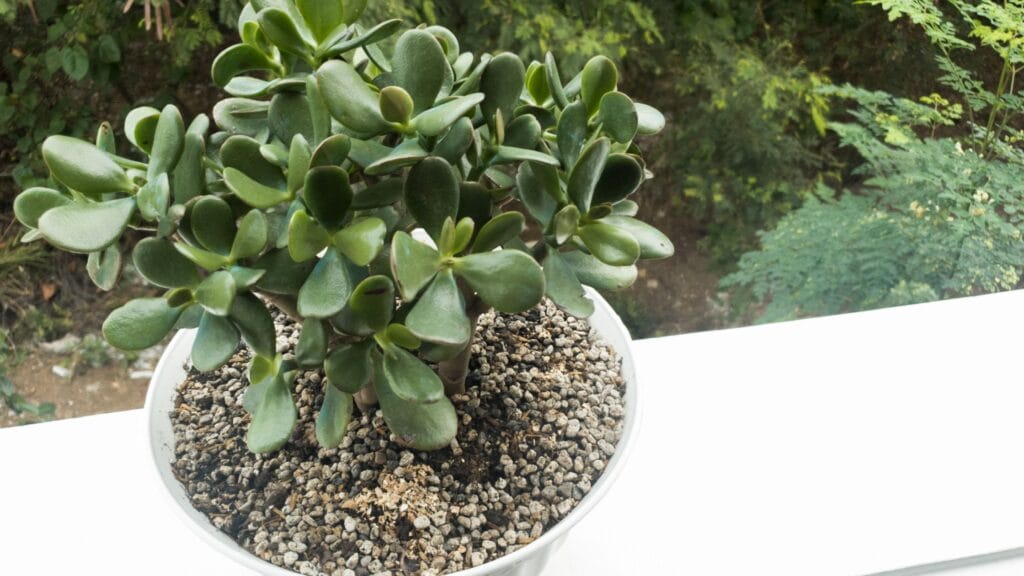
Always handle the jade plant by its base to avoid snapping its fleshy leaves.
Avoid overpotting—too much soil around the roots retains excess moisture.
If your jade is very large, refresh the top few inches of soil instead of fully repotting.
FAQs About Repotting Jade Plants
Q1: Can I repot a jade plant in winter?
It’s not recommended, as jade plants are dormant in winter and may struggle to recover.
Q2: Should I water my jade right after repotting?
Wait 3–5 days before watering to allow roots to heal from any damage.
Q3: What type of pot is best for jade plants?
Unglazed terra cotta pots with drainage holes are best since they allow soil to dry faster.
Final Thoughts
Repotting a jade plant doesn’t need to be frequent, but it’s essential for maintaining its health over the years. The best time is during spring or early summer, every 2–3 years for young plants and every 4–5 years for mature ones. By watching for signs like root crowding, poor soil drainage, or stunted growth, you’ll know exactly when your jade plant is ready for a new home.
Also Read:Dragon Fruits Production Consultancy